Get Full Government Meeting Transcripts, Videos, & Alerts Forever!
Get email alerts on the Corrections Contracts topic
No spam. Unsubscribe anytime.
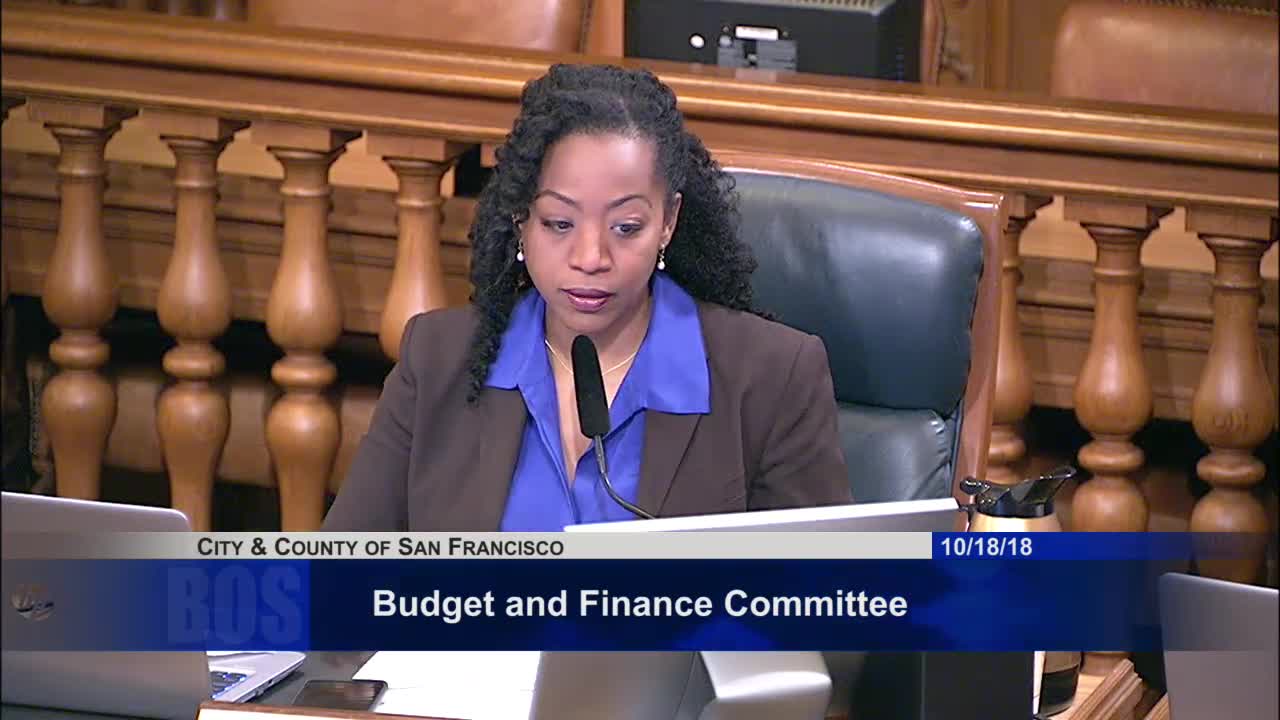
Committee backs five‑year Aramark jail food contract with Good Food Purchasing terms
Summary
The Budget and Finance Committee voted to forward a five‑year, up-to-$20 million jail food services contract with Aramark to the full Board, highlighting new Good Food Purchasing standards, an estimated base spend of roughly $16.8 million and a 19% contingency for possible cost increases.
The Budget and Finance Committee voted to recommend that the full Board approve a five‑year contract allowing the Sheriff’s Department to hire Aramark Correctional Services for jail food services, with a contract cap of $20 million and two one‑year extension options.
Crispin Hollings, chief financial officer for Sheriff Hennessy, told supervisors the contract—competitively bid and awarded earlier in the year—covers preparation and service of three meals a day at county jails, adds coffee service for inmates and staff, moves garbage service from inmate labor to the vendor for security reasons, and includes a SafeServe training program that will offer credentials through five charter schools. "The total value of the contract…not to exceed $20,000,000," Hollings said, and added the department projects a base amount closer to $16.8 million with a contingency built in.
Budget legislative analyst Seren Campbell summarized the fiscal terms, saying the base amount is $16.8 million, the contract price is fixed for the first two years and subject to CPI adjustments thereafter, and that the file includes a 19 percent contingency to cover potential increases tied to new local rules. "There is a 19% contingency, if the cost of the meals go up due to the...antibiotics ordinance or the good food purchase ordinance," Campbell said.
Supervisors asked why staff meals cost almost twice as much as inmate meals; Hollings explained that operational differences — staff hot‑meal service versus cold inmate lunch — and whether coffee is provided free to inmates but charged for staff drive some of the disparity. Supervisor Feuer praised inclusion of the Good Food Purchasing Program, saying procurement can "have an impact on other industries as well."
There was no public comment. Supervisor Malia Cohen moved to forward the item with a positive recommendation to the full Board; the committee agreed without objection. The item will now be considered by the full Board of Supervisors.