Get Full Government Meeting Transcripts, Videos, & Alerts Forever!
Get email alerts on the Police Staffing topic
No spam. Unsubscribe anytime.
Supervisors split over 250-officer plan as debate over civilianization and academy timing intensifies
Summary
San Francisco—s Budget & Finance Committee split on whether to fund two police academy classes now as the SFPD seeks 250 officers over four years. The committee voted to fund the first class and left the timing and funding of subsequent hires contingent on additional reviews and reserve decisions.
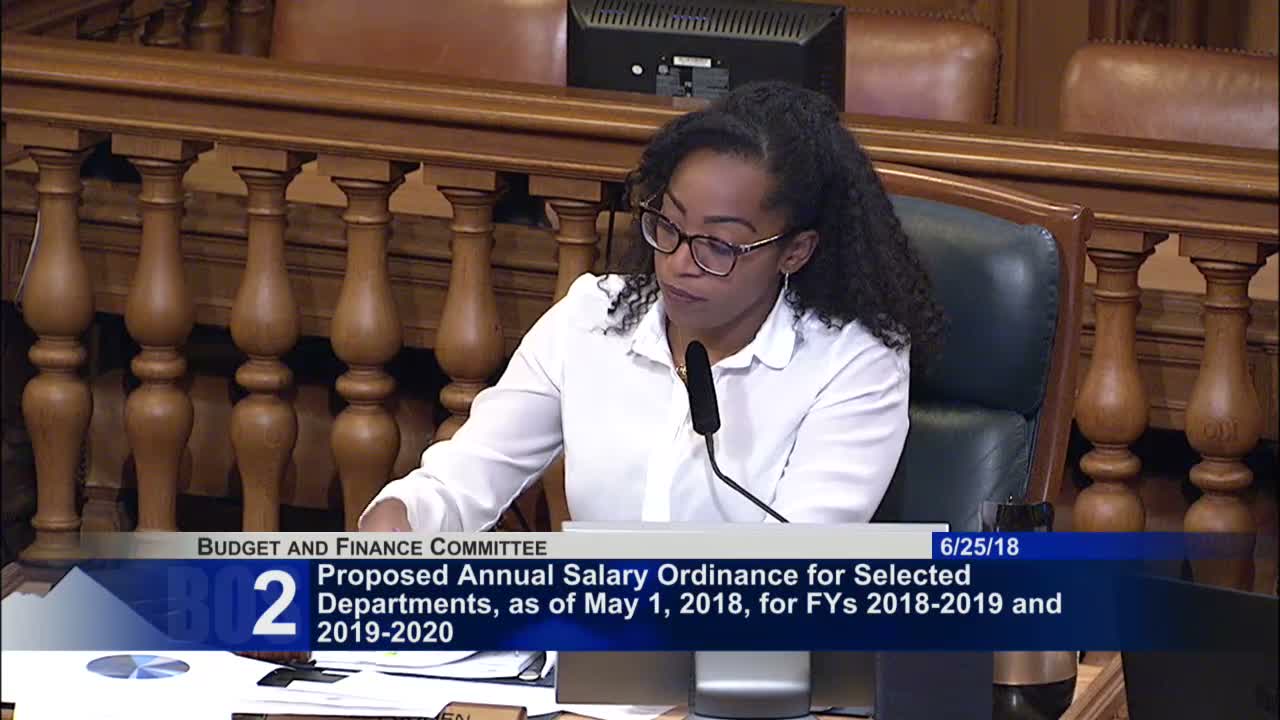
San Francisco—s Budget and Finance Committee on June 25 heard a detailed staffing request from the Police Department to add 250 sworn officers over four years, including priorities for burglary units, psychiatric emergency response teams and expanded foot patrols. Chief Scott told supervisors the plan is a phased rollout tied to two additional academy classes and a civilianization program to shift non-core administrative duties to civilian staff.
The committee—s Budget Legislative Analyst estimated that civilianizing roughly 50 positions could yield about $6.1 million in recurring savings in year two, and flagged as many as 202 positions for evaluation. Supporters of the SFPD plan said the department—s field commanders and the mayor—s team had done data-driven staffing work and that some gains (reduced car burglaries, increased deterrence) were already measurable. Opponents and several supervisors pressed for an independent workload and civilianization analysis before committing to the full second-year academy allocation.
Chair Cohen and several members agreed to fund the immediate academy class planned for calendar-year 2018 and to seek a controller-led civilianization/workload review in the first six months of the fiscal year to inform whether the committee should approve additional academy slots in year two. The committee debated whether to place the second class funding on reserve or leave it in the proposed year-two budget so it could be restored quickly if analyses show fewer feasible civilianizations than projected; no final amendment adopting a specific reserve amount passed on the floor during the session.
The committee heard competing views about operational effects: advocates for the SFPD proposal argued that added sworn personnel are essential to sustain improved enforcement and foot-patrol outcomes, while others said internal reassignments, schedule/rotation changes and civilian hires might free up substantial patrol capacity without immediately expanding the sworn roster.
Next steps: the committee asked the controller—s office and the BLA to complete a civilianization and workload analysis within approximately six months so the board can revisit the second academy class funding in the next budget cycle.