Get Full Government Meeting Transcripts, Videos, & Alerts Forever!
Get email alerts on the Assessor It Replacement topic
No spam. Unsubscribe anytime.
Assessor asks for multi-year funding to replace legacy assessment and records systems after clearing backlog
Summary
The Assessor-Recorder asked the Budget & Finance Committee to fund replacement of two aging systems and modest staffing increases after saying the office shrank a 3—/2-year backlog to about three months, helping generate a property-tax surplus.
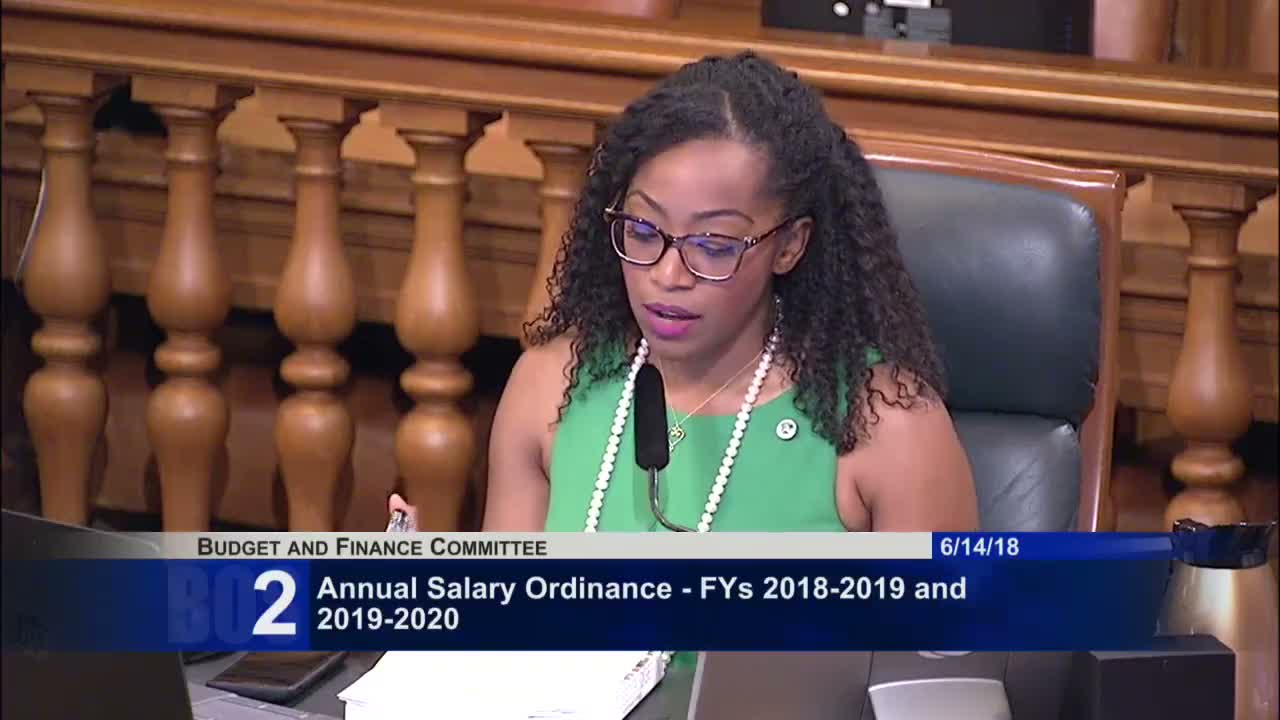
Rachel Zuckerman, deputy director of finance and administration for the Assessor-Recorder ivision, told the Budget & Finance Committee the office is seeking funding to replace two mission-critical legacy IT systems and to add capacity in mapping and revenue discovery.
Zuckerman said the office has cut a historic processing backlog "from 3 and a half years to 3 months," and that getting assessments current has tangible revenue effects: she pointed to the nine-month report showing a roughly $94,000,000 surplus in property-tax receipts that the office attributes to clearing the backlog. "This is a direct result of us working down that backlog," Zuckerman said.
The office manages assessments on roughly $238,000,000,000 of property value and has finalized an RFP for the property-assessment replacement; Zuckerman said contract negotiations are underway and the department expects to bring a contract forward for committee review within the next month or two. She said the project will be phased over multiple years and that roughly $40,000,000 of funding has already been collected toward the work, with additional allocations requested in the coming two fiscal years.
Committee members asked about timing, whether replacing the assessment system and the recorder system simultaneously could affect services, and about staffing. Zuckerman said the recorder system replacement is driven by vendor support timelines and cannot be deferred; she said the assessment system is the higher technical risk but that the two projects will be implemented by different divisions and that the office has planned to backfill operational work while staff participate in implementation.
When asked how the office will respond to a future economic downturn, Zuckerman and a senior assessor explained the office—xpects to shift staffing priorities toward appeals (which have a two-year statutory limitation) and to use a steady-state staffing model rather than repeatedly hiring temporary surge teams. Committee members pressed for continued reporting on project costs and phasing; Zuckerman said the budget reflects planned multi-year funding and that more detailed project materials will follow with contract presentations.