Get Full Government Meeting Transcripts, Videos, & Alerts Forever!
Get email alerts on the Transportation topic
No spam. Unsubscribe anytime.
SFMTA taxi upfront-fare pilot draws fierce debate; committee asks for data, pauses third-party dispatch
Summary
SFMTA presented a one-year taxi upfront-fare pilot that lets taxi apps offer metered-based upfront fares and allows third-party origin trips (e.g., an Uber user routed to a taxi). Drivers and labor groups warned of surge-pricing risks and opaque data; SFMTA said apps must report telemetry and trip data and the committee voted to continue the item so SFMTA, SFCTA and stakeholders can refine safeguards.
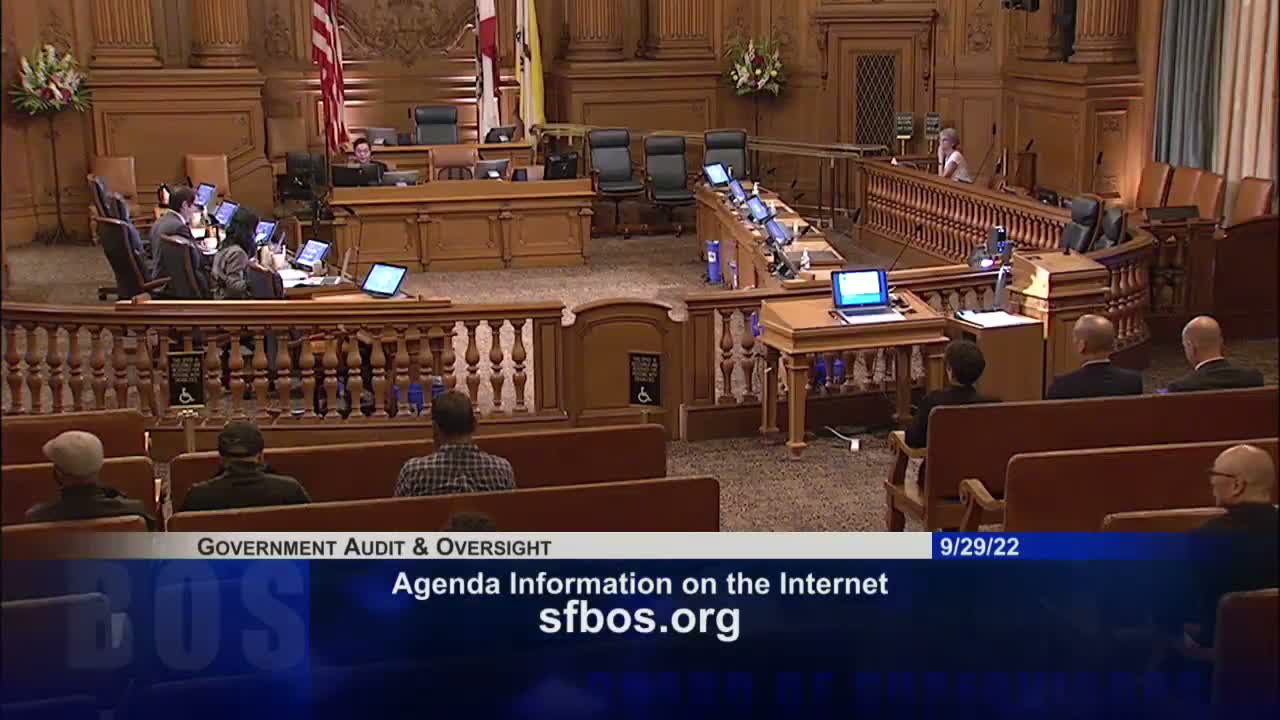
A contentious hearing on Sept.29 put the San Francisco Municipal Transportation Agency's taxi upfront-fare pilot at center stage, with taxi drivers, labor groups and community advocates sharply divided over whether the pilot should permit third-party dispatch by transportation-network companies.
Supervisor Connie Chan introduced a nonbinding resolution urging the SFMTA board to remove third-party dispatch from the pilot. Kate Torn, SFMTA director for Taxi, Access and Mobility Services, described a one-year pilot approved earlier by the SFMTA board: (1) taxi e-hail apps may offer an upfront fare based on the taxi meter and (2) third-party-originated trips may be routed to a taxi if the customer accepts. SFMTA said it added guardrails: drivers can opt out, apps and third parties must submit trip and telemetry data through an API for monitoring, and staff will publish quarterly reports and metrics comparing upfront fares to metered fares.
"The pilot allows taxi apps to offer a flat rate fare that's based on the taxi meter system," Torn told the committee. "We required that there be an opt-out option so that if drivers don't want to participate in those third-party trips, they don't have to. There can be no penalty if they opt out."
Taxi drivers, the Taxi Workers Alliance and numerous callers urged the committee to prevent third-party dispatch arrangements that would let companies such as Uber set passenger fares and, critics say, undercut regulated metered rates and paratransit service. "This is bringing surge pricing to public conveyance," said one medallion owner during public comment. The Taxi Workers Alliance speaker said drivers fear that Uber will capture the best trips while controlling the fare formula and data.
SFMTA and SFCTA staff acknowledged the difficulty of getting comprehensive TNC data historically. SFCTA staff said TNCs have resisted sharing full records and said robust evaluation depends on reliable information. SFMTA responded that the pilot's program rules require data via MTA APIs and that apps must provide telemetry and driver-fee schedules before launch; staff said they would discipline permittees that fail to supply required data and that the MTA board must reauthorize any extension beyond one year.
After hours of testimony, the committee voted to continue Item 4 to the call of the chair so SFMTA, SFCTA, taxi representatives and labor can hammer out data access, Prop D (congestion tax) reporting implications, consumer protections (including emergency caps on surge fares), paratransit impacts and possible leverage points.
What's next: the committee asked SFMTA to return with quarterly metrics, geographic analyses of third-party trips and a joint plan with SFCTA on how pilot data will inform Prop D congestion-tax reporting and enforcement. The item remains open for further negotiation.