Get Full Government Meeting Transcripts, Videos, & Alerts Forever!
Get email alerts on the Housing topic
No spam. Unsubscribe anytime.
San Francisco leaders unveil HomeSF plan to spur 16,000 housing units, promise 5,000 permanently affordable
Summary
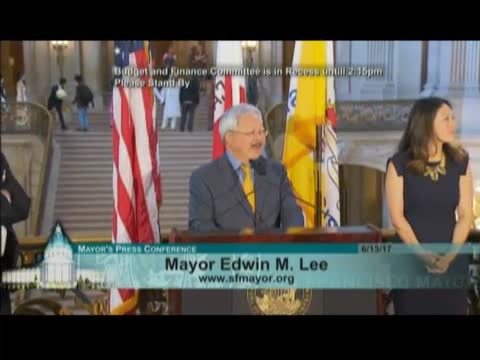
Supervisor Katie Tang and Mayor Edwin Lee celebrated passage of HomeSF, a 20‑year incentive program the city says can enable 16,000 new housing units — including at least 5,000 permanently affordable homes — by steering development to transit corridors and attracting private investment.
San Francisco officials on Thursday hailed a unanimous step to spur so‑called “missing middle” housing, portraying a new HomeSF program as a long‑term effort to add housing for middle‑income workers while protecting low‑income resources.
“Over the course of 20 years we’ll create 16,000 new units,” Supervisor Katie Tang said, and she added that the plan guarantees “5,000 of those will be permanently affordable.” Tang, the bill’s lead author, told the committee the program is designed to bring development to transit‑rich corridors and encourage larger units suitable for families.
Mayor Edwin Lee and the city’s planning director described technical work and financial modeling behind the plan. “Those 5,000 units would require a billion and a half dollars of public subsidy if we were to build them as a city,” Planning Director John Ram said, arguing the incentive structure will attract private developers without that full public cost.
City staff said consultants and departmental analyses show developer interest is already materializing and that projects in the pipeline have revised plans to include more affordability and some additional height. Tang told the committee the measure had broad local support, from neighborhood residents to business and housing advocates, and that board members negotiated provisions to protect existing low‑income programs.
The mayor and council members described targets for unit size and family suitability: roughly 40 percent of the new units will include at least two bedrooms, officials said, to encourage family occupancy rather than one‑bedroom units alone.
City attorneys and staff will carry out technical adjustments before projects come forward for planning review; Tang and staff said the ordinance includes administrative language and implementation details to be handled in follow‑up rulemaking.
The committee’s public remarks wrapped with the mayor invited to sign the legislation into law.
What’s next: staff will publish implementation rules and planning‑department guidance for developers; developers who have already filed preliminary plans may begin to amend proposals consistent with the new incentives.