Get Full Government Meeting Transcripts, Videos, & Alerts Forever!
Get email alerts on the DBI Permitting topic
No spam. Unsubscribe anytime.
Supervisors call for stronger controls after hearing on DBI permit consultants and repeat violators
Summary
After a hearing prompted by allegations of fraud and unsafe unpermitted work, DBI described new tools to flag repeat violators and launched an "expanded quality control" process; supervisors and the City Attorney's Office discussed options for public notice, due process, additional fees, and possible legislation to regulate permit consultants.
The committee held an extended hearing on DBI permitting, focused on consultants and permit expediters who have histories of alleged misconduct. Supervisor Hillary Ronan, who co-sponsored the hearing, cited several high-profile cases, including ongoing civil and criminal proceedings involving permit consultants and structural engineers, and described neighbors' reports of damage and delayed DBI responses.
Christine Gisparick (assistant director, DBI) described the department's role in plan review, permitting and inspections (about 70,000 permits issued and 155,000 inspections annually) and reviewed current tools for repeat violators: an informal flagging system in the permit-tracking database, referral to outside agencies (including the City Attorney and state licensing boards), and an administrative bulletin outlining the process. DBI said it cannot categorically deny service to members of the public or to valid licensed professionals but can increase scrutiny.
DBI announced an "expanded quality control" policy for repeat violators (defined by DBI as individuals associated with at least three serious notices of violation within 18 months): (1) require a second, senior plan-review check on permanent applications; (2) require site inspections prior to permit issuance to confirm existing conditions; and (3) assign a senior inspector to respond to complaints on the individual's projects. These heightened controls apply for two years after listing and the period restarts if a new serious violation occurs. DBI said it will also work on internal procedures to escalate complaints more quickly and has been coordinating referrals to the City Attorney's Office.
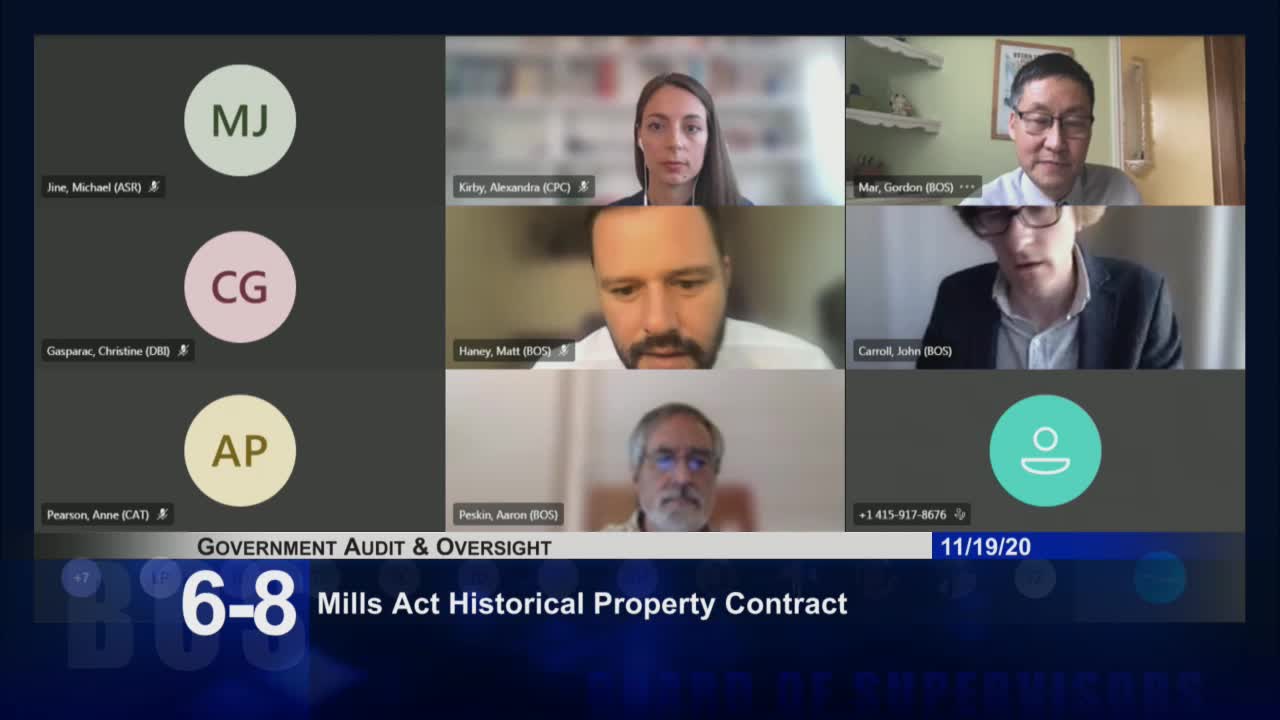
Supervisors pressed DBI and Deputy City Attorney Anne Pearson on public disclosure and due process: whether DBI can inform property owners when an applicant or consultant is flagged, whether there should be a publicly accessible "bad actors" list, and how to reconcile accuracy/due-process concerns. Ms. Pearson said the department should ensure accuracy before publicizing names and suggested an NOV/notice process to provide affected individuals an opportunity to challenge inclusion. She noted potential preemption limits for state-licensed professionals but said permit consultants who are not state-licensed may be subject to additional local controls.
Members of the public described delayed DBI responses and personal impacts; committee members signaled support for legislative changes to strengthen oversight and consumer protections. Chair Marr moved to file the hearing; the committee voted to file the record.