Get Full Government Meeting Transcripts, Videos, & Alerts Forever!
Get email alerts on the Housing Unit Legalization topic
No spam. Unsubscribe anytime.
Committee renews fee waiver for legalizing unauthorized dwelling units, adds tenant reporting requirement
Summary
The Government Audit and Oversight Committee voted unanimously June 4 to accept amendments and recommend an ordinance reauthorizing planning and building fee waivers for unauthorized dwelling‑unit legalization through Dec. 31, 2024. The measure adds annual DBI reporting on tenant presence and is expected to cost roughly $1.8 million in permit revenue over the waiver term.
Chair Gordon Marr introduced an ordinance June 4 to reauthorize planning and building permit fee waivers that encourage homeowners to legalize unauthorized dwelling units and bring those units up to code.
Marr said the program is intended to "incentivize the establishment of safe and relatively affordable units to stabilize housing for the community," and proposed two committee amendments. The first would require the Department of Building Inspection (DBI) to include in its annual report whether an unauthorized unit had a tenant at the time of a legalization application and whether there had been a tenant in the five years prior to that application. The second clarifies that DBI may determine how to collect that information to avoid excessive staff verification burdens.
John Murray of DBI told the committee the fee‑waiver program went into effect in 2015 and expired Jan. 1, 2020. "Estimates range from 30,000 to 40,000," he said when discussing the number of unpermitted units; he added he had seen a figure of 50,000 and cautioned the total is hard to pin down. DBI reported issuing 360 permits under the program, with 169 unit legalizations completed and an average applicant savings of about $4,500 in planning and building fees.
Severin Campbell of the Budget Legislative Analyst's office presented the fiscal estimate, saying, "We estimate that the reduction in permit fee revenues over the term ... would be about $1,800,000" and that approval is a policy decision for the Board of Supervisors.
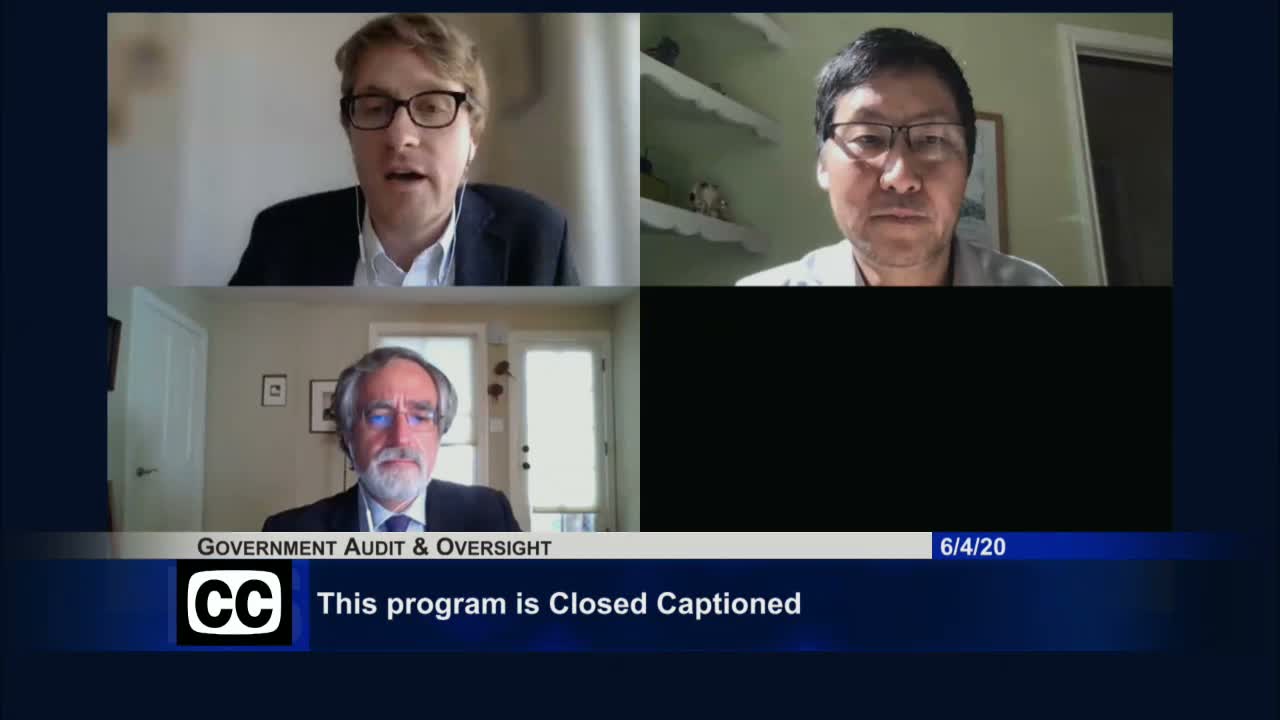
After hearing from staff, the committee accepted Chair Marr's amendments by roll call (Peskin: aye; Haney: aye; Marr: aye) and then voted unanimously to forward the ordinance, as amended, as a committee report to the Board of Supervisors' upcoming meeting. The clerk had earlier noted items acted on that day ordinarily appear on the Board agenda June 16 unless otherwise stated; Chair Marr moved to send this item as a committee report to the Board meeting on Tuesday, June 9, and the committee voted 3–0 to recommend it to the Board.
The ordinance would extend the DBI fee waiver through Dec. 31, 2024, require annual reporting on the waiver program (including number of projects, fees waived, building type and ownership data, and the new tenant‑presence fields), and make findings required under applicable planning code sections. The committee record shows the measure was recommended to the full Board for consideration at the referenced Board meeting.
The committee took no public comments on Item 1.
Next steps: The ordinance was recommended to the Board of Supervisors as a committee report; the Board will consider the measure at its scheduled meeting.