Get Full Government Meeting Transcripts, Videos, & Alerts Forever!
Get email alerts on the Aging Adult Services topic
No spam. Unsubscribe anytime.
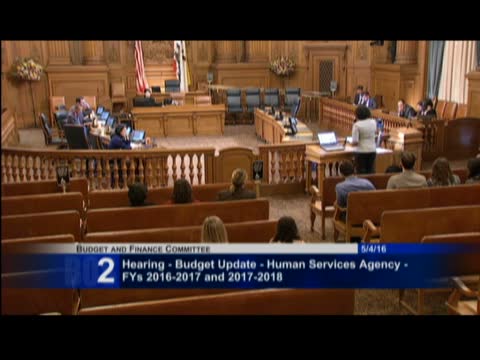
Aging & Adult Services highlights IHSS pressures, conservatorship work and new clinical unit
Summary
Director Shereen McSpadden told the committee IHSS serves primarily seniors (about 74% of clients), IHSS providers began receiving FLSA protections in Feb 2016, Adult Protective Services sees many hoarding/environmental cases (~170 last year), and the department launched a clinical/quality nursing unit that has served 229 people so far.
Shereen McSpadden, director of the Department of Aging & Adult Services, presented the department’s divisions and current priorities. She said roughly 74 percent of in‑home supportive services (IHSS) clients are age 65 or older, about 40 percent live alone, and the program’s caregivers number about 19,000, many providing family care.
McSpadden noted the February 2016 implementation of Fair Labor Standards protections for IHSS providers (overtime, travel‑time and wait‑time pay), which has complicated county workload and operations. She described new screening tools that social workers will use during annual in‑home assessments — including a food‑security questionnaire and plans for initial dementia and depression screenings — to identify additional needs when staff visit clients.
On Adult Protective Services, McSpadden said the department saw roughly 170 confirmed environmental/hoarding cases last year and that APS case durations (about 39 days on average) can be too short to address chronic hoarding effectively. The department is collaborating with UCSF and community partners on interventions.
McSpadden highlighted a new clinical and quality assurance unit that places nurses in community work to manage untreated medical conditions and reduce hospital readmissions; she said the unit has seen about 229 people to date. She also described a new benefits and resource hub (public intake site) intended to integrate Medi‑Cal eligibility, referrals and supports for older adults and adults with disabilities.
Next steps: the department plans to pilot expanded screenings, track outcomes for the clinical unit, and return with performance data as workload and funding proposals evolve.