Get Full Government Meeting Transcripts, Videos, & Alerts Forever!
Get email alerts on the Child Mental Health topic
No spam. Unsubscribe anytime.
Committee backs short‑term bridge funding request to preserve Edgewood’s pediatric crisis stabilization unit
Summary
After presentations from DPH, Edgewood and an independent reviewer, the committee moved the mayor and supervisor‑sponsored resolution authorizing a one‑time grant of up to $350,000 to keep Edgewood’s crisis stabilization unit solvent and reopen placements; the item was forwarded to the full Board with a positive recommendation.
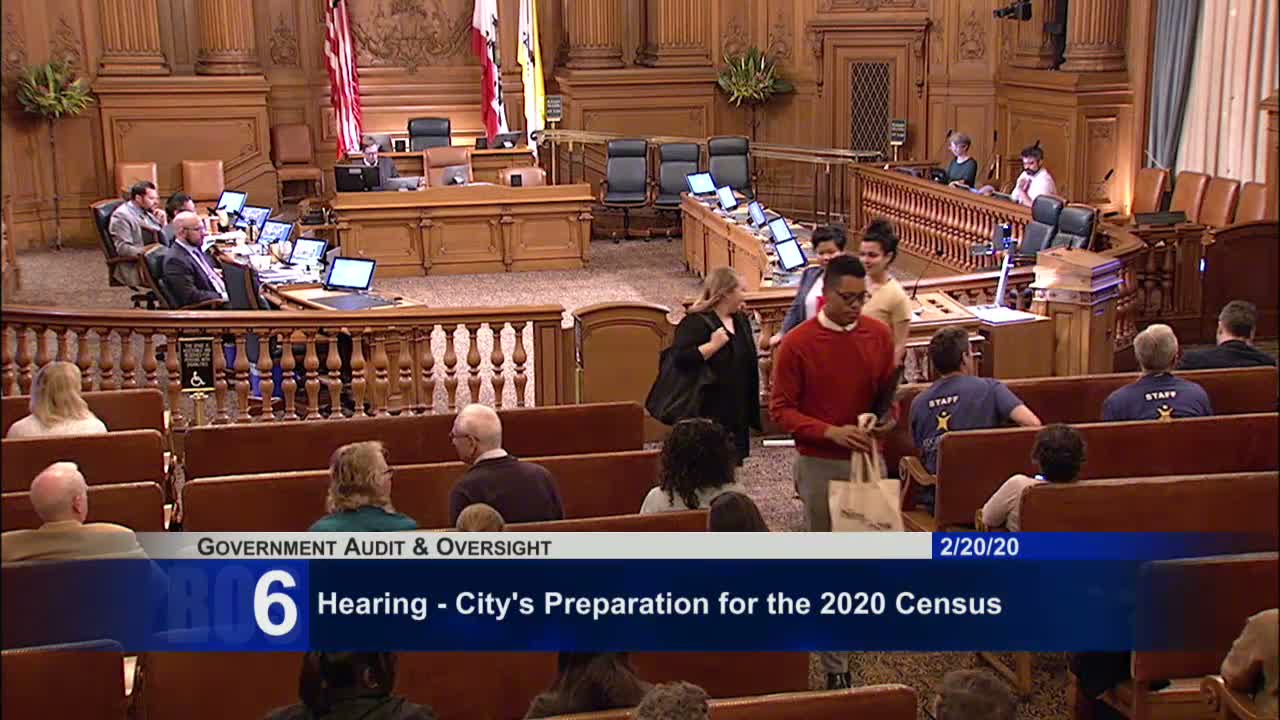
San Francisco — The Government Audit and Oversight Committee on Feb. 20 heard detailed testimony on a resolution to authorize the Department of Public Health to award Edgewood Center for Children and Families a one‑time, limited‑term grant not to exceed $350,000 for up to 90 days to preserve fiscal solvency and the city’s pediatric crisis stabilization unit (CSU).
Greg Wagner, DPH chief financial officer, said the city froze placements at Edgewood in August 2019 after allegations of staff misconduct surfaced and that the loss of placements has created acute cash‑flow problems for the nonprofit. Wagner described an agreed scope of corrective actions between DPH and Edgewood as of Feb. 10 and said the grant would be paid on milestones tied to a corrective action plan, a financial and business plan and deliverables intended to return Edgewood to sustainability.
Lynn Dulz, Edgewood’s CEO, recounted the organization’s 160‑plus year history of serving children and families and said two employees had been fired after misconduct allegations. Dulz said the CSU — which she described as the city’s only pediatric emergency‑room‑style stabilization unit for youth — had been cleared by the California licensing body on complaints and that Edgewood had submitted more than 400 pages of corrective documentation.
An independent consultant engaged by Edgewood and the city’s review team reported no evidence of abuse at the CSU specifically and affirmed the unit’s staffing and oversight structures, according to presenters.
Extensive public testimony followed. Dozens of clinicians, family members, juvenile justice and child welfare advocates, current and former Edgewood staff and community organizations urged the Board to provide bridge funding and to work on a longer‑term financial sustainability plan. Speakers said the CSU provides a low‑restrictive, trauma‑informed alternative to hospitalization for children and youth in acute crisis; they described increased out‑of‑county placements and use of adult ERs since placements were frozen.
Outcome and next steps
Given broad public and stakeholder support and department concurrence about the need to preserve the CSU while corrective actions proceed, the committee moved the resolution as a committee report with a positive recommendation to be heard by the full Board on Feb. 25.