Get Full Government Meeting Transcripts, Videos, & Alerts Forever!
Get email alerts on the Workforce Exempt Appointments topic
No spam. Unsubscribe anytime.
Supervisors hear hours of testimony on city'use of exempt (non'civil-service) positions; unions call for audit
Summary
A full hearing drew department presentations, union testimony and hours of public comment alleging long-term misuse of exempt appointments, calls for an audit and conversions to permanent civil service, and departmental promises to review and convert positions where appropriate.
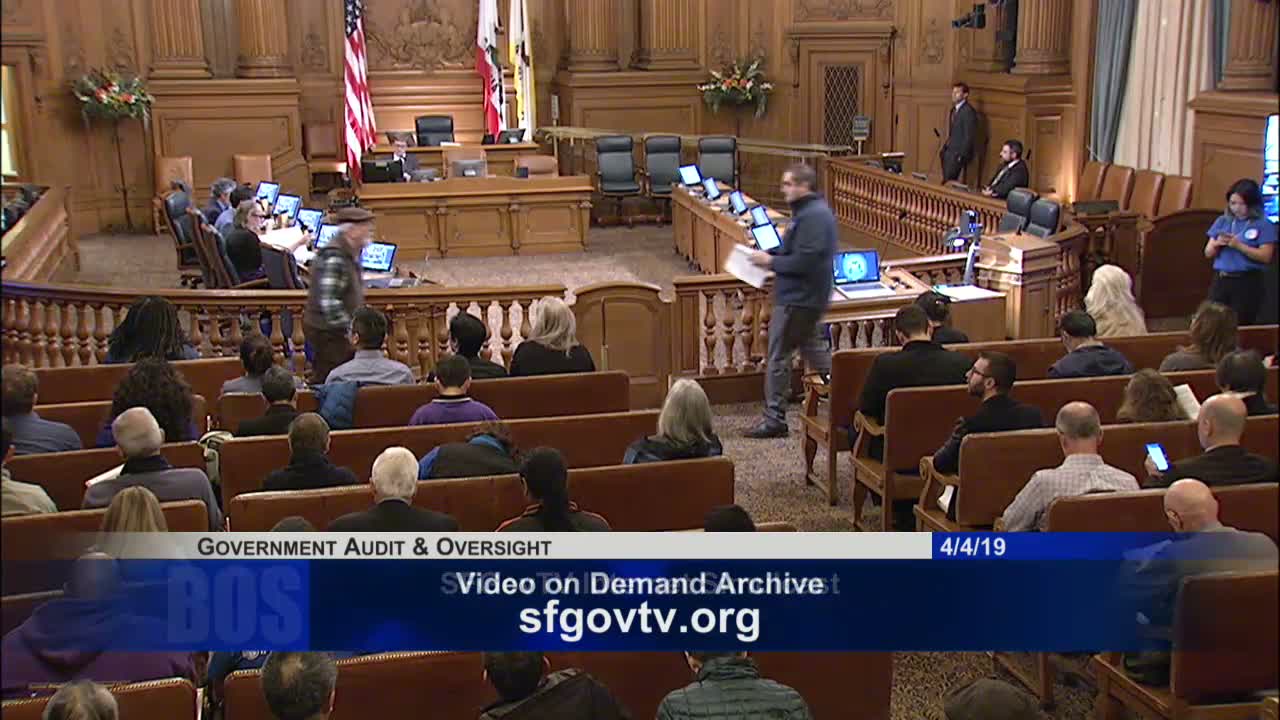
Supervisor Feuer opened a hearing at the Government Audit and Oversight Committee on April 4 that examined the city's use of exempt appointments ' positions hired outside the competitive civil service process ' and whether that use undermines the civil service system.
Kate Howard, managing deputy director at the Department of Human Resources, told the committee that departments request exempt hires by submitting a form with a detailed project justification, duration and funding sources; DHR reviews requests and forwards approvals to the mayor's office. Howard said the most-used categories in the city are category 16 (seasonal/as'needed) and category 18 (project-based, training and limited'term roles). She said category 18 positions often support job-readiness and apprenticeship programs, IT implementations and capital projects and noted a shift of many trainees from category 16 into category 18 to better reflect responsibilities and provide earlier access to benefits.
Director Michael Brown of the Civil Service Commission summarized the Charter authority (Charter section 10.104) defining 19 exempt categories and described the Commission's limited appellate role. He said the charter caps categories 1'12 at 2% of the workforce for most city departments (2.75% for MTA) and explained that some uses of category 18 have exceeded its intended three-year limit. Brown said the Commission's oversight relies heavily on DHR data and that the Commission uses inspection authority when complaints suggest favoritism or nepotism.
Labor leaders and dozens of current or former exempt employees told the committee they routinely encounter long-running temporary appointments that functionally perform permanent work without civil-service protections. SEIU 1021 and Local 21 representatives described large numbers of exempt workers across departments (examples cited: public health, Rec & Park, MTA, Public Works), said category 18 hires have grown substantially (Local 21 said the figure rose from roughly 850 to about 2,500 from 2012 to 2018 in the union's analysis), and urged an audit to identify inappropriate classifications and a fair process to transition employees to permanent status where legally appropriate.
Department representatives acknowledged problems in some units. The General Services Agency said it reviewed the Office of Civic Engagement and Immigrant Affairs and identified positions that should convert to permanent status over the coming year; SFMTA said roughly half of its category 18 roles are tied to capital projects and that it has instituted better monitoring of exemption categories. Public Health explained the special P103 nurse category used to meet 24/7 staffing needs and described annual outreach to invite temporary nurses to compete for permanent positions.
During public comment more than 70 speakers recounted personal experiences ranging from long consecutive temporary appointments and sudden terminations to recruitment and training programs that do not reliably lead to permanent civil service jobs. Union witnesses asked the Board for strengthened workplace protections for categories 16, 17 and 18, just-cause safeguards, a publicly available audit of exempt appointments, and better conversion pathways for long-serving workers. Several supervisors asked DHR for disaggregated conversion and placement data by program and by race.
The committee did not adopt a final ordinance at the hearing. Members agreed to continue the item to the call of the chair so staff can gather follow-up materials, provide requested data (including conversion rates and demographic breakdowns), and return with options for audit, monitoring improvements and conversion protocols.
Next steps: the committee directed staff to return with a plan for follow-up analysis and potential policy options; unions said they would press for a formal audit and conversion plan.