Get Full Government Meeting Transcripts, Videos, & Alerts Forever!
Get email alerts on the Mission Rock Development topic
No spam. Unsubscribe anytime.
Committee Forwards Mission Rock Development Agreements to Full Board; Adds Annual Port Reporting and SFMTA Approval Note
Summary
The Government Audit & Oversight Committee voted to forward the Mission Rock development agreements (DDA, disposition and development agreements, and MOUs) to the full Board with a positive recommendation and two amendments: an annual May report from the Port on financing and development, and an amendment reflecting SFMTA action; the 28‑acre project includes 40% affordable housing and an estimated $4.89 billion total buildout estimate.
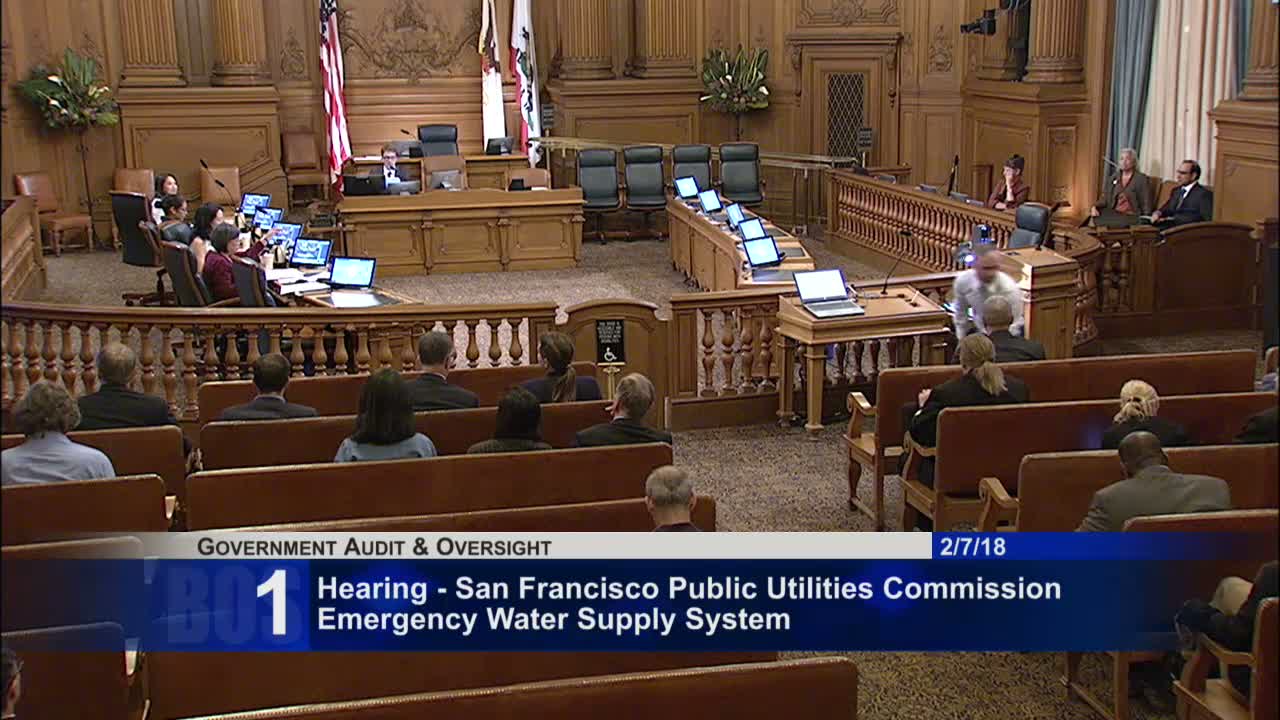
The Board’s Government Audit & Oversight Committee on Feb. 7 recommended that the full Board consider several transaction documents for Mission Rock — a 28‑acre mixed‑use project on Seawall Lot 337 — and advanced the items with two committee amendments and a commitment to annual reporting on financing and implementation.
Project overview and committee focus
Rebecca Venasini of the Port of San Francisco described Mission Rock as a phased redevelopment of Seawall Lot 337 and Pier 48 into a neighborhood with about eight acres of parkland, roughly 1,327 proposed housing units in the project midpoint scenario, and a developer commitment that 40% of units will be affordable across a wide range of area‑median‑income levels. Venasini said the port and developer plan to finance infrastructure through a combination of prepaid leases, an Infrastructure Financing District (IFD) and a Community Facilities District (CFD) and noted entitlement costs to date of about $27,000,000.
Key financial numbers presented
The Port showed an estimate of eligible IFD‑payable project costs and a high‑level project cost estimate (presented as $4,890,000,000 in 2017 dollars for the broad development program, not accounting for inflation). The Budget & Legislative Analyst, Severin Campbell, and the Controller’s Office, represented by Asim Khan, provided complementary financial and zoning analyses. The Controller’s Office framed three scenarios (high residential, midpoint, high commercial); the midpoint scenario presented about 1,327 units with 40% inclusionary (BMR) units and a mix of office, retail and PDR spaces.
BLA recommendation and committee amendment
Severin Campbell said the developer return in the DDA had been reduced from 20% to 18% after negotiations and recommended amending the resolution that approves the DDA to require an annual report back to the Board from the Port in May covering financing and development status. Chair moved the amendment and the committee adopted it; Port staff agreed to the annual reporting requirement.
Community concerns: schools, childcare and retail affordability
In public comment and during supervisor questioning, several speakers praised the 40% affordability target and the parkland while urging stronger planning for supporting infrastructure. Supervisor Feuer and several public commenters stressed that school capacity, early‑childhood care and continued retail affordability must be addressed alongside housing. Port staff and the developer said they are committed to on‑site childcare, community space (about 15,000 square feet), and continued engagement with San Francisco Unified School District; OEWD staff said the district has bond funds and is prioritizing the Mission Bay site and expects to begin hiring a project manager in coming months.
Committee action and next steps
The committee approved amendments to the items (adding the BLA annual reporting requirement and reflecting SFMTA consent) and forwarded items 2–5 to the full Board with a positive recommendation. The committee also noted that CFD formation and other approvals would follow additional mapping and procedural steps, and that CEQA and State Lands approvals remain necessary before construction.
Why it matters
Mission Rock is a major waterfront redevelopment that promises substantial affordable housing (40% of units), new parks and community benefits, and a large public‑private financing structure that includes IFD/CFD mechanisms and prepaid ground leases. The committee’s amendment requiring an annual Port report increases board oversight of the project’s financing and schedule.
What’s next
Items were forwarded to the full Board; staff will return with the final IFD, CFD mapping and CEQA/State Lands processes, and the Port agreed to annual reporting on financing and project milestones per the committee amendment.