Get Full Government Meeting Transcripts, Videos, & Alerts Forever!
Get email alerts on the Financial Justice topic
No spam. Unsubscribe anytime.
Task force urges San Francisco to tie fines and fees to ability to pay, expand diversion and end suspension referrals
Summary
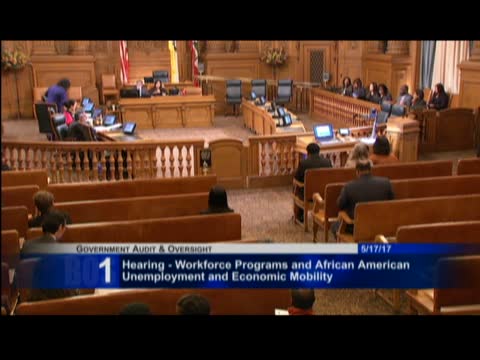
The Financial Justice Task Force recommended citywide reforms — ability‑to‑pay assessments, expanded community service/diversion, limits on license suspensions and child‑support debt relief — and drew broad support from legal advocates, nonprofits and the Treasurer’s office at a May 17 hearing.
A city task force on May 17 recommended overhauling how San Francisco charges and enforces fines and fees, urging city and court practices that consider people’s ability to pay, expand non‑monetary alternatives and limit sanctions that deepen poverty.
"When the fines are within a family's ability to pay, they will pay them," Elisa de la Piana of the Lawyers Committee for Civil Rights told the committee during public comment. Advocates said reform can increase collections while reducing racial disparities.
Anne Stuhldreher, director of the Financial Justice Project in the Treasurer’s office, presented the Task Force’s recommendations developed with nine city departments and community groups. The package covers six areas:
- Ability to pay: standardize assessments, offer flexible payment plans and community service options without participation fees. - Driver's license policy: support the San Francisco Superior Court's practice of not suspending licenses for failure to pay and back statewide legislation (SB 185) to prohibit DMV suspensions for unpaid fines. - Quality‑of‑life citations: expand diversion programs and link citations to social services rather than escalating civil assessments. - Transportation fines: improve towing relief, lower fare‑evasion penalties and expand accessible payment and community service options. - Bail and pretrial reforms: recommend local changes (staff noted a separate hearing on bail reform is forthcoming). - Child‑support debt: recommend policies to prevent enforcement that effectively strips families of scarce income and to pilot nonmonetary alternatives for repaying government‑owed support.
Advocacy groups and service providers said the present system disproportionately affects low‑income people and communities of color. A Lawyers Committee analysis cited in testimony found that nearly half of failure‑to‑pay‑related arrests studied in 2016 involved black San Franciscans, a stark disparity compared with their share of the population.
Supporters argued that ability‑to‑pay programs can actually raise net collections by setting fines at realistic levels and offering practical alternatives that succeed in producing payment rather than nonpayment and enforcement escalation.
The committee continued the item to the call of the chair and asked Treasurer's office and departmental staff to return with implementation steps. Supervisors also urged the Board to support state legislation that would codify non‑suspension practices in local courts.
What happens next: The Treasurer's office and relevant departments will work on implementation details and bring proposals back to the committee; supervisors signaled support for state action to align court practice and DMV policy.