Get Full Government Meeting Transcripts, Videos, & Alerts Forever!
Get email alerts on the Workforce Development topic
No spam. Unsubscribe anytime.
San Francisco supervisors press OEWD on funding and retention as African‑American unemployment remains high
Summary
At a May 17 hearing, supervisors and community leaders pressed the Office of Economic and Workforce Development to explain recent funding decisions, improve coordination with other city departments, and prioritize job retention and wrap‑around supports for African‑American residents amid persistent high unemployment.
San Francisco supervisors and community leaders on May 17 pressed city workforce officials to do more to improve hiring and job retention for African‑American residents, who face unemployment rates far above the citywide average.
"Colleagues, today we're discussing our city's workforce development programs and the glaring disparity between African American employment and the rest of the city," President London Breed said as she opened a long hearing that included presentations from the Human Rights Commission and the Office of Economic and Workforce Development.
Cheryl Davis, executive director of the Human Rights Commission, told the committee that data alone has not produced solutions and urged a humanized approach. She described the "Black to the Future" collaborative and recommended smaller caseloads, trauma‑informed services, deeper partnerships with community‑based organizations and stronger family supports — housing, benefits counseling and transportation — to keep placements from falling apart.
Michael Carr, OEWD's director of workforce development, said the department has tried to align 17 city workforce programs through a "Chapter 30" effort and to expand job‑readiness training, neighborhood access points and retention supports. He said OEWD serves about 6,000 clients and that "38% of the clients that we serve are African Americans," while acknowledging the department must show faster results.
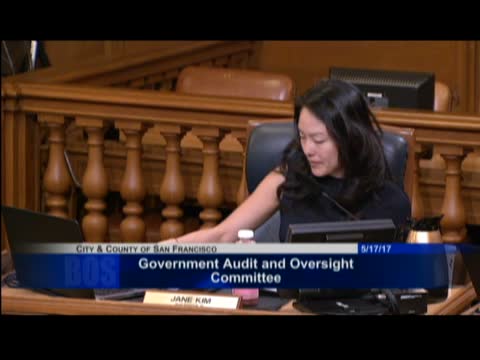
Supervisors repeatedly asked Carr how OEWD coordinates with other agencies and whether the department uses its funding leverage to prioritize programs that demonstrably serve African‑American residents. "Why isn't OEWD as the lead department for workforce taking on the leadership to coordinate these programs better?" Chair Jane Kim asked.
Carr said OEWD meets monthly with core departments such as the Human Services Agency, Public Utilities Commission and Department of Children, Youth and their Families and is piloting case‑management to improve retention: assigning staff to follow high‑barrier participants after placement to help them resolve workplace problems and stay employed.
Many members of the public — more than 100 speakers during a lengthy public comment period — urged supervisors to restore or shield community‑based providers from recent funding reductions. Hunters Point Family and other Bayview‑based programs were singled out by multiple speakers as proven providers that remove barriers and keep people employed. "If you take the money from Bayview, if you take the money from the Mission District … what do you think is going to happen?" John Mohammed told the committee, describing the wider ripple effects of cuts.
Program leaders and graduates offered detailed accounts of how smaller, deeper programs produced lasting outcomes: paid internships, ongoing mentorship and post‑placement follow up that helped people keep jobs despite housing instability, health crises or returning‑citizen challenges.
Supervisors said the hearing’s record will inform the upcoming budget process. President Breed and others called for specific next steps: an OEWD retention plan, clearer use‑of‑funds reporting, improved outreach and technical assistance for smaller nonprofits, and an evaluation of how RFP scoring accounts for neighborhood intensity and client barriers. A motion to continue the matter "to the call of the chair" carried without objection so supervisors can follow up in the budget cycle.
The committee did not take immediate votes on new funding. Supervisors said they intend to press OEWD during the budget review and to work with city departments to ensure financing aligns with programs that demonstrate retention and equity gains.
What happens next: The hearing record will be used as part of the Board of Supervisors' budget deliberations; the committee continued the item to the call of the chair so staff can produce follow‑up materials and potential budget amendments.