Get Full Government Meeting Transcripts, Videos, & Alerts Forever!
Get email alerts on the Ssip topic
No spam. Unsubscribe anytime.
PUC Details $2.9 Billion Phase One of Sewer Rebuild, Spotlighting Southeast Treatment Plant
Summary
The SFPUC told supervisors April 5 that Phase 1 of the Sewer System Improvement Program (SSIP) totals roughly $2.9 billion, with about $2.0 billion focused at the Southeast Treatment Plant; the PUC reported $366 million in expenditures and said the program is 16% complete, with major construction slated to begin in 2017–2018.
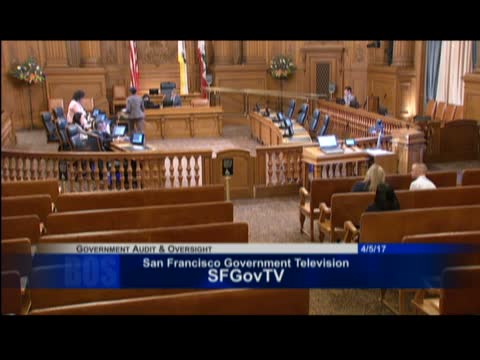
At an April 5 Government Audit & Oversight Committee hearing, Karen Kubik, the SFPUC wastewater enterprise capital program director, presented an overview and timeline for the Sewer System Improvement Program (SSIP), emphasizing that Phase 1 will total approximately $2.9 billion and that about $2.0 billion of Phase 1 work will occur at the Southeast Treatment Plant in Bayview.
Kubik said the Southeast plant treats nearly 80 percent of the city's wastewater and is critical for permit compliance and system reliability. The SSIP combines "gray" infrastructure (pump stations, treatment upgrades) and "green" infrastructure (stormwater management) to reduce combined sewer overflows, address aging sewers and mitigate climate-change and sea-level risks. "We have a lot of urgency with getting this work done," Kubik said, noting seismic upgrades and reliability were primary drivers.
Kubik provided program status and schedules: Phase 1 has about 70 projects started, current expenditures of roughly $366 million and is approximately 16 percent complete based on PUC project-control system data. Design work represents a large share of current activity because the program's two largest projects — the new headworks and the biosolids digester facility — remain in design or procurement stages. The headworks project will remove grit and large solids across a wide range of hydraulic conditions; Kubik said dry-weather flows are about 30 million gallons per day and wet-weather peaks can reach roughly 250 million gallons per day.
The flagship biosolids facility — budgeted at about $1.27 billion in PUC materials — will reduce the number of digesters, increase renewable energy capture from methane to power plant operations, raise biosolids treatment to a higher reuse standard (Class A), and incorporate odor controls. Kubik said the PUC has worked with a local digester task force and has sited new facilities to maximize distance from residences; the Civic Design Review and Arts Commission have engaged on aesthetics and public-facing features.
The PUC also described workforce and community benefits embedded in contracts: so far the program reports 72 percent of hours worked by San Francisco residents (above a 50 percent requirement), $5.5 million in wages and benefits to residents engaged on program work, 58 apprentices accounting for 26,000+ hours, and targeted local hire and small-business supports. The PUC said it has conducted extensive outreach (over 270 community presentations and about 2,000 facility-tour participants since 2013) and uses on-line tools where needed to supplement in-person engagement.
Next steps: the PUC signaled it will return to the Board of Supervisors in the coming months for biosolids design contract modifications, headworks construction management awards, and several construction-management contracts; the environmental review for biosolids is anticipated the following year, with construction of the biosolids facility projected to start in 2018.
Committee sponsor Supervisor Malia Cohen moved to file the item; the committee approved the motion without opposition.