Get Full Government Meeting Transcripts, Videos, & Alerts Forever!
Get email alerts on the Homelessness Women Families topic
No spam. Unsubscribe anytime.
Supervisors hear hours of testimony on services for homeless women and families; providers urge rapid rehousing and eviction prevention
Summary
San Francisco supervisors convened a hearing on services and solutions for women and families experiencing homelessness. City officials and dozens of providers and residents urged expanding rapid rehousing, eviction-prevention funds and gender-specific shelter services to cut long waits for shelter.
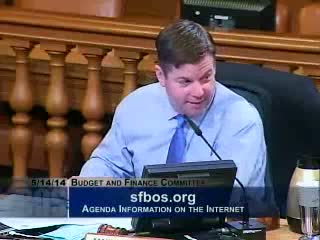
Chair Mark Farrell convened a Budget & Finance Committee hearing focused on services for women and families experiencing homelessness, citing a local point‑in‑time count showing women make up about 27 percent of San Francisco’s homeless population and school data indicating roughly 2,200 students are homeless.
Bevan Dufty of the mayor’s Office of HOPE framed the city’s response and emphasized efforts to reduce risk for unsheltered women, including changes to the shelter reservation process and a pilot women‑only winter shelter to be operated at Bethel AME by the Providence Foundation. Dufty and other presenters noted family waitlists: roughly 200–300 families are on the Connecting Point shelter wait list and the centralized list showed about 216 families; staff and advocates described average waits of several months and multi‑year waits for affordable housing.
Joyce Crum of the Human Services Agency detailed HSA programs for families: diversion and rental subsidy work that in recent years helped several hundred families avoid shelter, a plan to add 25 female shelter beds in FY14–15 and an ACCESS child care subsidy expansion (from about 80 to 120 children). Crum also summarized transitional and permanent supportive housing programs and described a federal Families Moving Forward grant (awarded in October 2012 for $4.3 million) that funds intensive wraparound services for 32 families per year.
Margo Antennetti of the Department of Public Health described health‑related needs for women and transgender women — higher rates of serious mental illness and comorbidity — and outlined DPH services, including neighborhood clinics, a medical‑respite women’s floor, maternal health supports and substance‑use and behavioral‑health slots targeted to women.
Speakers from nonprofits and service providers pressed the Board for concrete funding: Jeff Bialik of Catholic Charities emphasized eviction prevention as the most cost‑effective approach to avert family homelessness; advocates with HESPA proposed adding rapid‑rehousing slots (HESPA estimated 150 additional slots at roughly $2.6 million); Compass Family Services and Rafael House described long waits and success with short‑term subsidies; and many residents described dire living conditions in single‑room occupancy hotels (Grand Southern and others), unsafe units with pests and harassment, and the effect of instability on children.
A broad set of asks emerged from testimony: expand rapid rehousing, preserve and expand private‑sector partnerships (including philanthropic support for transitional projects), open public housing waitlists or increase housing mobility subsidies, protect and expand gender‑specific services (drop‑in centers, domestic‑violence‑confidential beds), and add eviction‑prevention and financial‑counseling capacity to help families qualify for market units. City staff agreed to provide supplemental data requested by supervisors (SRO family counts, longer term ethnic breakdowns) and said several budget proposals and philanthropic partnerships are under discussion.
The committee closed public comment and proceeded to other agenda items. The hearing produced no immediate binding policy change but reflected consensus among officials, providers and clients about urgent priorities: speed shelter exits through prevention and rapid rehousing; expand gender‑specific shelter and health services; and coordinate city and nonprofit resources to reduce the two long slates of family need the testimony described.
The committee filed the hearing record and plans follow‑up work and additional hearings to track progress and budget requests.