Get Full Government Meeting Transcripts, Videos, & Alerts Forever!
Get email alerts on the Public Health Policy topic
No spam. Unsubscribe anytime.
Committee sends 2¢/ounce soda tax measure to November ballot after debate and strong public comment
Summary
The Budget and Finance Committee voted to forward to the full Board a proposed ordinance to place a 2¢ per ounce tax on sugar-sweetened beverages on the November 2014 ballot, with an estimated annual revenue range of $35–$52 million and legally dedicated use for school nutrition, parks and public-health programs.
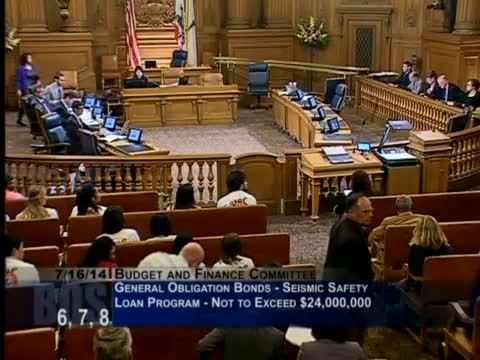
After three hearings and a long public-comment period, the Budget and Finance Committee on July 16 voted to forward to the full Board a motion to place a citywide 2¢ per ounce tax on distribution of sugar-sweetened beverages on the Nov. 4, 2014 ballot.
Supervisor Scott Wiener, a lead sponsor, described the proposal as a public health measure designed to reduce consumption of sugary drinks linked to diabetes, liver disease and obesity. Under the draft ordinance, revenue would be legally dedicated: 40 percent to the San Francisco Unified School District for school nutrition and physical-education programs, 25 percent to the Recreation and Park Department for expanded recreation and active programming, 25 percent to the Department of Public Health for health programs, and 10 percent to a community grant program prioritizing communities disproportionately affected by sugary-beverage harms.
City Economist Ted Egan presented an economic impact report estimating annual revenues in a range between about $35 million and $52 million and projecting consumption declines of up to roughly 31 percent; his office also concluded that 80–100 percent of the tax would be passed through to retail prices. The Budget and Legislative Analyst and public-health advocates described the measure as targeting disparities, prioritizing low-income communities and providing an independent oversight body to ensure funds supplement, not replace, existing programs.
Public testimony ran for hours and included public-health groups, school-district representatives, civic leaders, parents, youth and faith leaders in strong support, citing health disparities and the revenue’s programmatic uses. Labor and industry voices testified both in support and in opposition; the Teamsters expressed concerns about impacts to workers and the beverage industry opposed the tax and its framing.
Supervisor Wiener moved to forward the measure to the full Board with a positive recommendation. A committee roll call recorded five ayes and the measure was sent to the full Board with the committee’s recommendation and the city economist’s report as part of the record.