Get Full Government Meeting Transcripts, Videos, & Alerts Forever!
Board committee hears progress, gaps in housing and services for veterans and older homeless residents
Summary
Supervisors heard agencies and partners describe expanded veteran housing, a coordinated assessment pilot and senior set‑aside beds, while advocates and former homeless residents urged longer transitional stays and better eviction prevention. The committee filed the item without vote on further action.
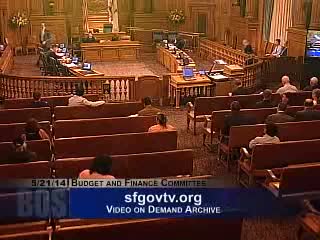
The San Francisco Board of Supervisors Budget & Finance Committee on May 21 heard agency and community testimony about services for homeless veterans and seniors, including new project‑based housing and a coordinated assessment pilot aimed at prioritizing the most vulnerable veterans.
Chair Supervisor Mark Farrell opened the hearing and said seniors are a growing share of the homeless population, noting "the life expectancy for a person without permanent housing is between 42 and 52." He asked agencies to ensure eligible seniors are enrolled in benefits and to strengthen outreach to older adults.
Human Ser…
Already have an account? Log in
Subscribe to keep reading
Unlock the rest of this article — and every article on Citizen Portal.
- Unlimited articles
- AI-powered breakdowns of topics, speakers, decisions, and budgets
- Instant alerts when your location has a new meeting
- Follow topics and more locations
- 1,000 AI Insights / month, plus AI Chat