Get Full Government Meeting Transcripts, Videos, & Alerts Forever!
Get email alerts on the Airport Budget topic
No spam. Unsubscribe anytime.
SFO presents growth‑driven budget, $2.5B capital plan and runway work ahead of summer
Summary
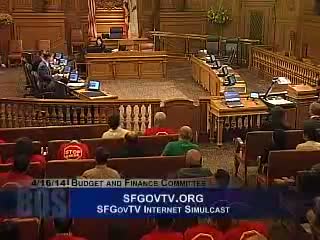
San Francisco International Airport officials told the Board of Supervisors’ Budget & Finance Committee the airport is financially self‑supporting after several years of strong passenger growth, projecting a $37M–$40M annual service payment to the city and a $2.5 billion five‑year capital program that includes terminal upgrades and mandated runway safety work that will increase departure delays.
San Francisco International Airport officials briefed supervisors on the airport’s fiscal outlook and major capital projects, saying passenger growth and concession revenue have kept the facility financially self‑supporting.
John Martin, speaking for the airport, said the facility has averaged roughly 5% annual growth over the past four years and remains among the fastest‑growing major airports worldwide. He noted the city receives 15% of total concession revenue as an annual service payment — projected at about $37 million in the current year and $40 million over the two‑year budget cycle. "The city receives 15% of our total concession revenue as an annual service payment," Martin said, describing the payments as a dividend to the city from its ownership of the airport.
Martin outlined a multiyear capital program estimated at $2.5 billion over five years (and a longer horizon cost of about $4.5 billion), driven by seismic upgrades, security requirements and terminal modernization. He described recent completion of Boarding Area E (T2 standard), planned expansions in Terminal 3 including a new main security checkpoint and an approximate $525 million Terminal 3 project, and a multi‑phase replacement of Boarding Area B/Terminal 1 with an estimated $2.3 billion cost to add gates and increase international connectivity.
He also flagged a federally mandated Runway Safety Area project beginning May 17 that will close two of four runways during work. "Departing aircraft will be delayed on a good weather day on average of about 12 minutes," Martin said, adding delays could reach 22–23 minutes in low‑cloud summer conditions. The airport plans extended construction hours and a gate management system to reduce impacts.
Supervisors asked about cost allocation between airlines and the airport; Martin explained the airport recovers differences through a rental‑rate system and airline fees. Officials emphasized local hiring and workforce programs — noting goals for 30% of contract dollars to go to LBEs/DBEs, concession goals above that for food and beverage, and internship and custodial workforce development programs.
The committee took a motion to file Item 1 without objection. Supervisors said the airport will return with a fuller budget presentation in the near future.
The hearing then moved to the next agenda item concerning a proposed sugar‑sweetened beverage tax.