Get Full Government Meeting Transcripts, Videos, & Alerts Forever!
Get email alerts on the Public Health Soda Tax topic
No spam. Unsubscribe anytime.
Supervisors hear study tying sugary drinks to health costs, continue debate on proposed tax
Summary
Budget analysts told the Board of Supervisors’ Budget & Finance Committee that sugar-sweetened beverage consumption likely imposes $48.1 million in annual costs on San Francisco residents (conservative estimate), while public-health experts and community leaders urged a ballot tax to fund prevention and services targeted to impacted neighborhoods. The committee continued the hearing for further work.
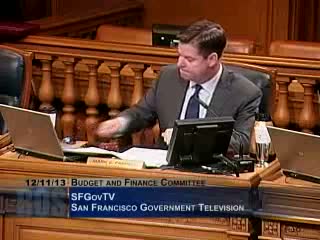
A budget and legislative analyst’s review and a series of public-health presentations on Dec. 11 laid out the health harms and local costs associated with high consumption of sugar-sweetened beverages and set the stage for a proposed voter measure.
Fred Brusseau of the Board’s Budget and Legislative Analyst office said the study used conservative assumptions and local CDC-based population data to estimate the city’s costs. “Using those estimates … we came up with a total of approximately $48,100,000 in annual costs that San Francisco residents are paying for the costs related to excessive sugar sweetened beverage consumption,” Brusseau said during his presentation. He added a narrower estimate of city spending attributable to these beverages of “approximately $10,800,000 to $28,000,000.”
Public-health researchers from the University of California, San Francisco and the city’s Department of Public Health told the committee the medical evidence supports the link between sugary drinks and a range of chronic conditions. “The threshold of a 2¢ per ounce tax is highly valid,” said Dr. Laura Schmidt, a UCSF professor of health policy who reviewed international evidence on taxation and consumption.
Several witnesses highlighted disparities. Roberto Ariel Vargas of UCSF’s Community Engagement and Health Policy Program pointed to neighborhood-level hospitalization rates and told the committee some ZIP codes — including parts of the Bayview — face substantially higher diabetes hospitalization rates than the city average. Pediatricians, dental-health professionals and community advocates described high tooth-decay rates among low-income children and urged dedicating revenue to prevention and treatment, nutrition education and healthy-corner-store efforts.
Supporters framed a potential tax as a “charge for harm” that would both reduce consumption and generate funds for targeted services; opponents were not present in significant numbers at the hearing. Rachel Norton, president of the San Francisco Board of Education, said the school district will consider a supportive resolution in January and that district-level education funding could align with city prevention efforts.
Supervisors stressed that any ballot measure should direct revenues to communities most affected by obesity and diabetes. As Supervisor Marr summarized, the hearing was a first step in drafting a unified measure and building consensus among stakeholders.
No ordinance or ballot placement was adopted at the session; the committee agreed to continue the hearing “to the call of the chair” so staff and supervisors can refine revenue targets, gather supplemental data on dental and liver disease impacts, and coordinate language for a future measure.