Get Full Government Meeting Transcripts, Videos, & Alerts Forever!
Get email alerts on the Participatory Budgeting topic
No spam. Unsubscribe anytime.
Residents press city departments over slow implementation of participatory‑budget projects
Summary
At a hearing on participatory budgeting projects from FY2013–14, residents and community groups applauded the program but criticized slow department response, lack of clear timelines and poor communication; SFMTA, Planning, OEWD and Rec & Park described progress and common backlog constraints. The committee agreed to continue follow‑up and push departments to assign project managers and improve outreach.
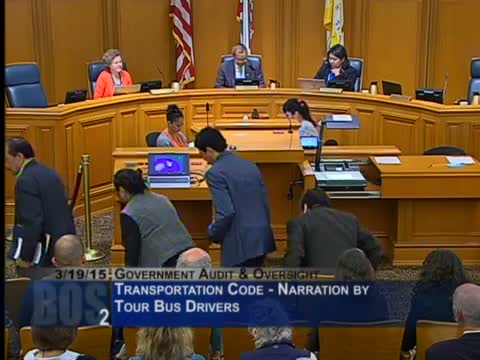
The committee held a hearing on the status of participatory budgeting projects awarded in fiscal 2013–14, hearing departmental updates and complaints from residents who say progress on funded projects has been slow and communication insufficient.
Supervisor Norman Yee described District 7's first participatory budgeting process, which drew more than 1,000 voters and led to nine pedestrian projects (about $160,000) and six general projects (about $100,000). Departments reported that many projects are progressing but that standard procedural steps, engineering reviews, procurement and staffing backlogs can lengthen timelines.
Miriam Sorrell (SFMTA) said the agency is procuring 35 new radar speed signs (solar‑panel powered) and will proceed with speed‑hump ballots where locations meet criteria; she warned typical administrative steps can take one to three months each and that SFMTA is working through staffing and backlog issues. Residents — including Harry Prince, the author of a Fourteenth Avenue traffic‑calming proposal — detailed repeated unreturned inquiries, shifting timelines and a sense that some projects have been delayed in the agency review process.
Planning Department staff described parklet delays caused by designer turnover and permit processes and said timing for parklet construction typically runs 12–16 months from design to permit. Rec & Park summarized three projects (security cameras at Betty Ann Ong Recreation Center, Golden Gate Heights amenities, and an early‑childhood urban agriculture program) and noted the $8,000 camera award required supplementary funding to cover installation costs.
Across public comment, residents asked for clearer, written timelines, earlier departmental engagement during the participatory process, and a named project manager for each award to improve accountability. Supervisor Yee acknowledged the problems and said the committee would press departments to improve communication; the committee continued the item for follow‑up.