Get Full Government Meeting Transcripts, Videos, & Alerts Forever!
Get email alerts on the Towing Policies topic
No spam. Unsubscribe anytime.
Supervisors press MTA, SFPD and Auto Return to ease fees for owners of stolen vehicles
Summary
At a Board committee hearing, Supervisor Wiener urged renegotiation of the city's tow contract to reduce or waive fees for recovered stolen vehicles. SFPD, SFMTA and Auto Return described current waivers, fee amounts and possible reform options; the committee continued the matter for further work.
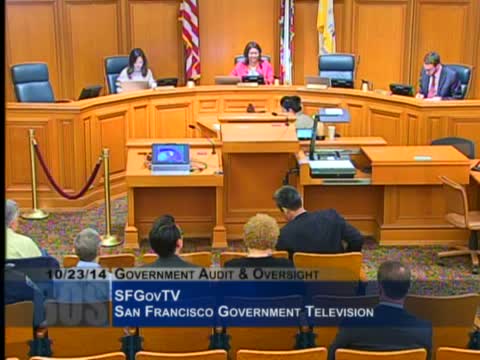
Supervisor Scott Wiener convened a committee hearing to review San Francisco's towing contract and fees for stolen vehicles, saying the city should avoid "victimizing the victim" when cars are recovered. Wiener told the committee that Auto Return tows about 45,000 vehicles a year and roughly 2,500 of those were stolen last fiscal year, and he said the contract that governs towing and fee waivers should be renegotiated before the contract comes back to the full Board.
The San Francisco Police Department's operations commander, Mikhail Ali, described SFPD's procedures for recovered stolen vehicles: officers generally attempt to contact owners and will wait on scene about 20 minutes, and the department waives its $194 administrative fee when a police report indicates a vehicle was stolen. Auto Return said it applies written waiver instructions it receives from the Police Department and uses an automated process to offset waived charges.
Steve Lee, SFMTA manager of financial contracts and services, said the current Auto Return agreement is a volume-based model and that the agency is considering an operational reimbursement contract with a flat management fee and reimbursed operating costs. Lee estimated Auto Return collected about $531,000 last fiscal year related to stolen-vehicle charges and roughly $16 million total revenue across all tows. He said any expanded waivers or longer grace periods would have to be accounted for in the new contract and could be absorbed through changes in the contract model or adjustments to other fees.
Auto Return's chief technology officer, John Pendleton, described how other jurisdictions handle stolen-vehicle cases: some jurisdictions waive administrative fees for residents or for all towed people, others offer longer grace periods, and some offer no waivers; he also described Auto Return's electronic process for receiving written release instructions from SFPD.
Committee members and agency witnesses clarified the fee structure during the hearing: SFPD administrative fee $194 (waivable in qualifying stolen-vehicle cases), SFMTA administrative fee $266 (waivable for San Francisco residents per ordinance), tow fee about $220.75, a four-hour grace period applies to all towed vehicles, the first-day reduced storage charge is about $57.25 and the daily storage rate thereafter is about $66.75. Those numbers, the committee heard, can produce weekly storage charges on the order of several hundred dollars.
Public commenters included a speaker identified by the committee as Mr. Howe, who described a multi-day ordeal reclaiming his stolen vehicle, difficulties getting consistent release instructions, denied appeals and several hundred dollars in charges; he said the experience left him feeling "victimized three times." Supervisor Wiener asked SFPD Commander Ali to follow up with Mr. Howe after the hearing to review the appeal outcome.
Wiener said the committee's likely goals for renegotiation include either waiving charges for stolen vehicles, extending the grace period (to days or weeks), reducing storage fees after the grace period, or some combination. The contract expires June 30 next year; SFMTA indicated an RFP would likely be released in early January with negotiations and a return to the Board before the contract expiration. Wiener told the committee he will introduce a resolution in the coming weeks to put the Board on record directing the MTA on expectations for the new contract.
The committee took no final vote on policy changes during the hearing; the item was continued to the call of the chair for further work and to permit follow-up and negotiation ahead of the RFP process.
Ending: The hearing produced a detailed accounting of current fees, a public account of individual hardships and a clear timeline for potential contract changes; the committee directed staff to continue work and Chairman/Wiener to return with a resolution and proposals for the renegotiated agreement.