Get Full Government Meeting Transcripts, Videos, & Alerts Forever!
Experts tell supervisors Bay’s summer algal bloom was driven by light and calm conditions; nutrient reduction options could cost billions
Summary
Science and regulatory experts told a San Francisco supervisors’ committee that an unprecedented August 2022 harmful algal bloom in South Bay was fueled by unusual low turbidity, more sunlight and calm winds; high nutrient loads made the event larger and longer. Panel discussed emergency responses, medium‑term optimizations and long‑term capital projects with regional costs estimated in the billions.
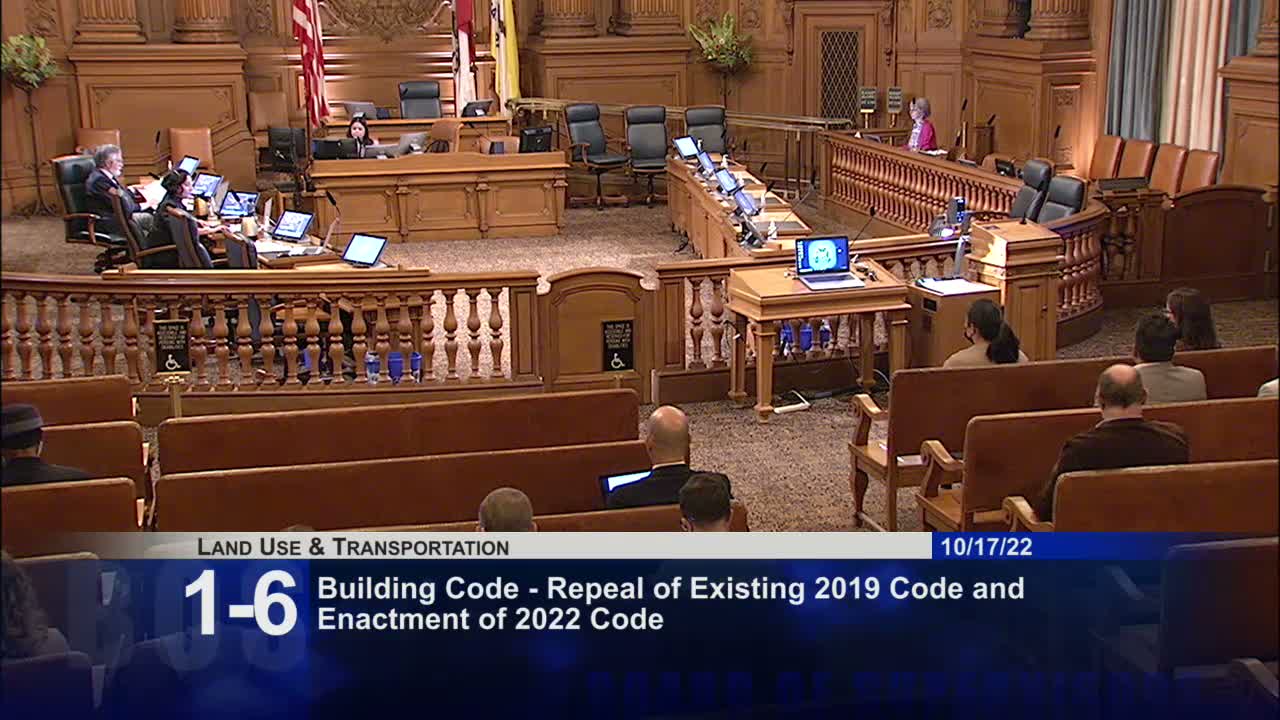
San Francisco and regional regulators and scientists told the Board of Supervisors’ Land Use & Transportation Committee Oct. 17 that the large red‑tinted algal bloom that spread across San Francisco Bay in late July–September 2022 was driven by a combination of unusually low suspended sediment (low turbidity), an unusually sunny period and calm winds that allowed a flagellated organism (heterosigma akashiwo) to proliferate. The bloom produced very high phytoplankton biomass, depressed dissolved oxygen and coincided with extensive fish mortality.
"We had a major harmful algal bloom event in August 2022 centered in South Bay and Lower South Bay," Dr. David Sen of the San Francisco Estuary Institute told the committee, noting peak biomass and dissolved oxygen as low as…
Already have an account? Log in
Subscribe to keep reading
Unlock the rest of this article — and every article on Citizen Portal.
- Unlimited articles
- AI-powered breakdowns of topics, speakers, decisions, and budgets
- Instant alerts when your location has a new meeting
- Follow topics and more locations
- 1,000 AI Insights / month, plus AI Chat