Get Full Government Meeting Transcripts, Videos, & Alerts Forever!
Get email alerts on the Parking Tax topic
No spam. Unsubscribe anytime.
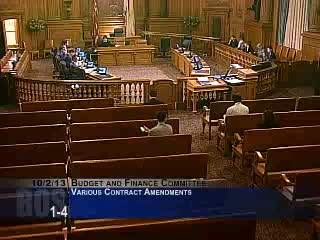
Committee advances plan to expand simplified parking-tax option from 5 to 10 spaces
Summary
The Budget & Finance Committee advanced Supervisor Wiener’s ordinance to allow residential property owners to use simplified parking-tax procedures for up to 10 rented spaces (up from five), citing compliance and amnesty results; the committee recorded mixed votes and will forward the measure to the full Board.
The San Francisco Board of Supervisors Budget & Finance Committee voted to move forward Supervisor Scott Wiener’s ordinance to expand a simplified parking-tax procedure for residential properties from five to 10 rented spaces.
Wiener, the legislation’s sponsor, told the committee the proposal “builds off legislation that I offered last year and that we passed unanimously as a board” and noted the earlier amnesty brought “almost 500 people…forward and took advantage of that amnesty to become legal, and to pay taxes going forward.” He said the change is intended to make it possible for small property owners and apartment buildings to comply without terminating leases to reduce counts to five.
The committee’s budget analyst cautioned that the Treasurer-Tax Collector’s Office cannot currently quantify how many operators between five and ten spaces would be affected or produce definitive revenue projections for the change. Severin Campbell said analysts “consider approval of this to be a policy recommendation because it does change the city’s existing tax law,” but recommended approval.
A Zipcar representative, Michael Uribe, testified in support, saying the company needs access to small clusters of parking spaces for car-sharing operations and that the ordinance strikes a balance by allowing property managers to rent a handful of spots without triggering heavier regulation: “I strongly urge you to approve Supervisor Weiner’s ordinance.”
On the motion to move the item forward, the record shows Supervisor Marr voting “Aye” and another supervisor recorded as “No.” Other roll‑call entries were not recorded in the transcript; committee staff noted items acted on today will appear on the Board of Supervisors agenda on Oct. 8, 2013.
Why it matters: supporters say the measure improves voluntary compliance and prevents displacement of informal parkers; analysts note the city cannot yet quantify the fiscal impact and recommended keeping the change narrowly focused rather than reopening related planning-code provisions.
The committee forwarded the ordinance to the full Board for consideration.