Get Full Government Meeting Transcripts, Videos, & Alerts Forever!
Get email alerts on the Lobbying Ordinance topic
No spam. Unsubscribe anytime.
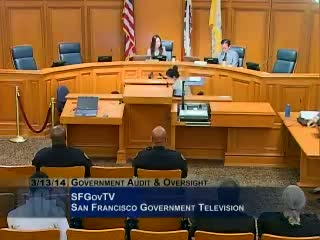
Supervisor David Chiu advances lobbying‑transparency package, keeps ordinance in committee for further amendments
Summary
Supervisor David Chiu presented an ordinance that would tighten lobbying rules by expanding training, record‑keeping, and who qualifies as a lobbyist; nonprofit groups urged exemptions and attorneys urged a clarified practice‑of‑law carve‑out. The committee voted to keep the measure in committee pending additional amendments.
Supervisor David Chiu, the ordinance’s author, laid out a package of roughly a dozen ethics‑reform changes to San Francisco’s campaign and governmental conduct code aimed at strengthening transparency around lobbying. "Sunlight is the best disinfectant for open government," Chiu said, summarizing proposals that would require additional lobbyist training and certification, expand record retention to five years, require disclosures for fundraiser invitations and strengthen audits and enforcement.
Chiu said the draft removes the long‑standing attorney exception but includes language that "clarifies that attorneys who are solely practicing law will not be subject to the lobbying law," language he described as narrowly tailored to avoid regulating the practice of law. He also proposed clearer thresholds for who must register as a lobbyist: contract lobbyists would qualify if paid for lobbying and make one or more contacts with a public officer in a calendar month, while in‑house lobbyists would qualify after more than five contacts in a month.
Public commenters and advocacy groups urged changes. Anita Mayo of Pillsbury Winthrop Shaw Pittman said in written comments and oral remarks that the draft should preserve a clarified attorney exemption and restore a public bidding exemption; she argued that CEQA‑mandated contacts should be exempt and that requiring a single contact to trigger registration for permit consultants would be unduly burdensome. "Because of the complex nature of large development projects that are subject to CEQA, contacts made in connection with complying with CEQA should be exempt," Mayo said.
Nonprofit and housing advocates pressed the committee for explicit protections. Peter Cohen of the Council of Community Housing Organizations and other speakers said the proposal, as drafted, could unintentionally sweep in nonprofit advocacy that represents low‑ and fixed‑income residents. "It is important that we recognize that and don't chill that in any way," Cohen said, urging an exemption for advocacy by nonprofits that work with disadvantaged communities.
Chiu acknowledged those concerns and said staff would circulate language exempting bona fide nonprofit advocacy. He told the committee he would not ask to move the ordinance out of committee that day but instead asked to "move at the call of the chair" after additional amendments are drafted. The committee approved a motion to retain the item in committee and call the chair when ready, adopted "without objection."