Get Full Government Meeting Transcripts, Videos, & Alerts Forever!
Get email alerts on the Nonprofit Funding topic
No spam. Unsubscribe anytime.
Dozens of providers urge supervisors to restore nonprofit, homeless and youth funding
Summary
Hundreds of public commenters urged the Board to restore add‑backs for homeless services, youth programs and nonprofit contracts—many backed a 4% cost‑of‑doing‑business increase and asked the board to backfill HIV and shelter funding cuts.
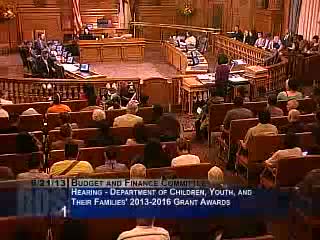
An extended public‑comment period filled the Budget and Finance Committee hearing room as representatives from homeless‑service providers, youth programs, senior services and unions appealed for budget restorations and policy changes.
"It is reported that there are about 5,700 homeless youth in San Francisco," Jefferson Fellows of Larkin Street Youth Services told the committee, arguing drop‑ins and shelters remain critical. Multiple current and former program participants described life‑changing services: education, shelter, case management and job training.
Nonprofit leaders and union representatives using the dais repeatedly called for a 4% cost‑of‑doing‑business increase for city‑contracted nonprofits to address rising rents, health‑care and operational costs. "In the last 7 years the consumer price index has gone up 18.3%, but nonprofit cost‑of‑doing‑business increases have only gone up 2%," Jenny Collins of Hospitality House said, pressing the board to restore a citywide add‑back pool for community‑based organizations.
Public‑health advocates warned against proposed HIV‑service cuts. Ward 86 clinicians said the department faces program reductions that would remove $476,000 of services and reduce urgent care capacity for HIV patients, while API Wellness Center and TACE clients testified that preserved funding is necessary to keep people virally suppressed and out of emergency care.
Other recurring asks included: $1,200,000 for workforce basic‑skills development; $300,000/year for transitional‑age youth housing proposals; $1,000,000 for a public housing collaborative to support tenants during San Francisco Housing Authority re‑envisioning; restoration of summer and after‑school programs; and continuation funding for BTOP technology labs as federal grants sunset.
Why it matters: Providers and unions argued that cuts to prevention, shelter and workforce supports would increase emergency‑room use, homelessness and long‑term costs. Union speakers also presented a set of budget reallocation options and urged the Board to prioritize social services during the city's revenue recovery.
Next step: Supervisors agreed to take procedural steps on agenda items and said many line items will return for formal deliberation and possible add‑backs; the committee did not adopt any CBO or service restorations at the hearing itself.