Get Full Government Meeting Transcripts, Videos, & Alerts Forever!
Get email alerts on the Transportation topic
No spam. Unsubscribe anytime.
MTA update: $2.2 billion capital backlog, service goals and public concern over Central Subway costs
Summary
SFMTA Director Ed Riskin outlined service and capital goals including a 50/50 trip‑mode target and a $2.2 billion state‑of‑good‑repair backlog; public commenters warned of Central Subway cost overruns and contingency shortfalls, a claim the agency did not fully resolve in the hearing.
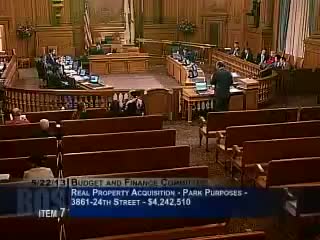
The Municipal Transportation Agency presented its fiscal and capital outlook to the Budget & Finance Committee on May 22 as part of the 9‑month budget update. SFMTA Director Ed Riskin described both operational improvements and major capital funding needs.
Riskin framed the agency’s work around a six‑year strategic plan with four overarching goals: improve safety (a 10 percent reduction in collisions and injuries), advance the city’s transit‑first mode‑share target (reduce single‑occupancy automobile trips from about 61 percent toward a 50 percent target), enhance environmental and quality‑of‑life outcomes, and strengthen agency capacity and management.
On capital, Riskin said the SFMTA maintains roughly $12 billion in assets and currently has about $2.2 billion in unmet capital needs. "Our state of good repair gap is on the order of a quarter of a billion dollars per year," he told the committee, and described financing options under consideration: vehicle license fee proceeds, GEO bonds, revenue bonds, commercial paper, competitive grants and possible grant anticipation notes to bridge timing gaps for central‑subway cash flows.
Riskin described operational gains — all‑door boarding, rehabbing rail cars, hiring 50 new mechanics in four months and a reduction in overtime from more than $50 million per year to roughly $45 million — but warned gaps remain and that capital funds are often not flexible (many federal and grant sources have use restrictions).
Supervisors pressed Riskin on work orders, especially the longstanding practice of the MTA bearing a large share of police traffic‑company costs and transit security. Riskin said MTA currently funds about 70 percent of the traffic company and roughly $3 million for security; he noted the mayor’s upcoming budget proposes reducing MTA's police work order by $5 million and backfilling that from the general fund, a change several supervisors urged be made permanent.
Public testimony focused heavily on the Central Subway project. Multiple commenters from North Beach and project‑watch groups told the committee they had seen independent analyses projecting substantial cost overruns (speakers described potential overruns in the range of $400 million) and questioned a North Beach tunneling variant. One commenter said the federal share was capped at $942 million and that remaining overruns would have to be covered locally. An architect and project‑oversight advocate argued contingency levels had fallen to single‑digit percentages — far below some industry recommendations — and that the project was at risk of going substantially over budget.
Riskin and SFMTA staff answered technical questions about federal funding timing and contingency planning but did not endorse the specific overrun figures cited by public speakers; he noted that federal commitments tend to cover total amounts albeit sometimes with delayed timing, and that the agency continues to monitor contingency and contract awards.
The committee took no final action to change project authorizations at this hearing; following discussion and public comment the committee tabled the MTA item for further consideration as the mayor’s budget is finalized.