Get Full Government Meeting Transcripts, Videos, & Alerts Forever!
Get email alerts on the City Budget topic
No spam. Unsubscribe anytime.
Controller: San Francisco’s 9-month report shows $210 million year-end balance; $96 million available surplus
Summary
Controller Ben Rosenfield told the Budget & Finance Committee the city projects a $210 million year-end general fund balance, of which about $114 million is already appropriated, leaving roughly $96 million of unappropriated funds and a materially improved outlook compared with the 6‑month report.
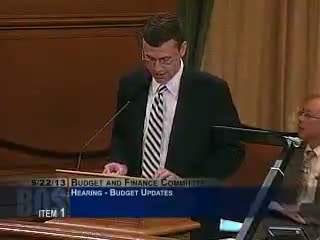
San Francisco’s controller told the Board of Supervisors’ Budget & Finance Committee on May 22 that a citywide 9‑month budget status report projects a $210 million general fund year‑end balance and an improvement of roughly $58 million since the six‑month estimate.
Controller Ben Rosenfield said $114 million of the projected balance has already been appropriated as part of last year’s two‑year budget, leaving about $96 million in surplus above prior appropriations. "We have a surplus of $96,000,000 above and beyond previous appropriations," Rosenfield said, and attributed much of the improvement to stronger‑than‑expected local revenue performance, including payroll and transfer taxes.
Rosenfield told the committee that payroll tax growth is running about $26 million above budget (more than 10 percent growth year‑over‑year) and that transfer taxes have shown "extraordinary turnover," with some large receipts concentrated earlier in the fiscal year. He cautioned that transfer tax is volatile and is therefore the hardest revenue to project.
Committee members sought a sense of the budget gap heading into the next fiscal year. Rosenfield deferred detailed next‑year figures to the mayor’s budget office but offered a high‑level sketch: "If you’re looking for kind of a ballpark number today, I would say it's $70,000,000 or less in terms of a budget deficit for next year," he said, noting continued refinement of ongoing revenue assumptions.
The report also highlights departmental changes since the six‑month update: the mayor and board approved supplemental appropriations for public health and the public defender that materially improved those departments’ positions; the human services agency reported about $27 million in current‑year favorable variances (about half from a one‑time prior‑year state revenue reallocation and the rest from caseload and salary savings).
Reserve balances figure prominently in the summary. Rosenfield said the rainy‑day reserve would retain roughly $25 million and the budget stabilization reserve is expected to end the year around $103 million, fed in part by volatile transfer tax receipts. He noted that certain reserves are being drawn for supplementals this year and will need replenishment in future budgets.
Rosenfield identified remaining uncertainties: a backlog of property tax appeals that could affect estimates, ongoing litigation that could create liabilities, and open questions related to the successor agency’s negotiations with the State Department of Finance over former redevelopment assets.
The committee accepted the report for the record and moved to continue the item to the call of the chair. Chair Mark Farrell reopened and closed public comment for the item before tabling further action. The mayor’s budget office and the controller plan to present a translation of the revenue implications for the coming budget cycle at a forthcoming meeting.