Get Full Government Meeting Transcripts, Videos, & Alerts Forever!
Get email alerts on the Cd Debris topic
No spam. Unsubscribe anytime.
Committee advances major changes to construction and demolition debris rules, delays final vote for drafting
Summary
Supervisors discussed an ordinance to require permits for C&D haulers and debris boxes, require certified scales at processing facilities, create a tiered hauler fee to fund enforcement, and raise full‑demolition recovery targets from 65% to 75%. After industry support and technical Q&A the committee continued the item one week to sort substantive amendments.
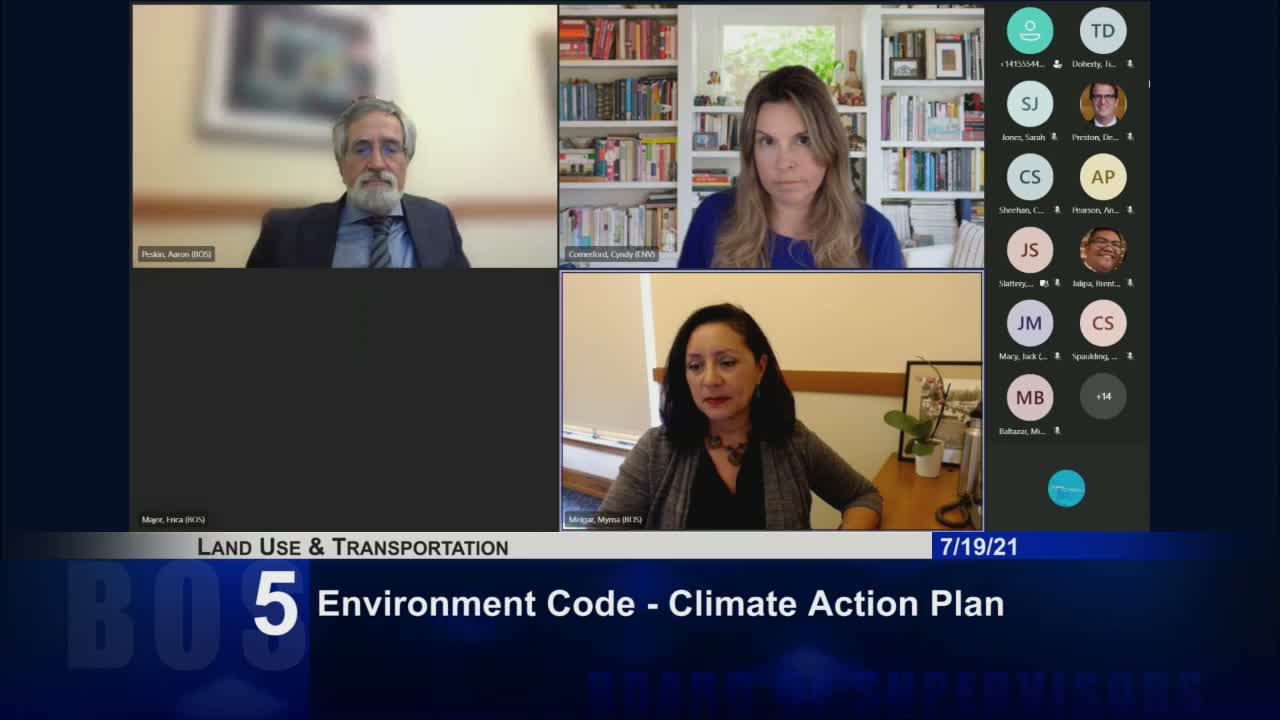
San Francisco — An ordinance that would regulate construction and demolition (C&D) debris transport, strengthen facility oversight and raise recovery goals drew wide support July 19 but was continued for additional drafting.
Supervisor Ahsha Safae (sponsor) told the committee the measure is intended to reduce illegal dumping, level the playing field for compliant haulers and improve diversion. “Today 25% of what we send to landfill is from construction and demolition debris,” Safae said, urging a tiered permitting system to capture small and large haulers and to fund enforcement and outreach.
Jack Macy, the city’s Zero Waste senior coordinator, said the existing ordinance (in effect since 2006) left transporters as the weak regulatory link. The department proposed a progressive tiered permit and fee structure keyed to vehicle capacity and DMV weight classes, phased inclusion of small pickup haulers, and a requirement that processing facilities install certified scales with automated recordkeeping.
Supervisors asked technical questions about certified scales and testing. Staff said most certified facilities already use scale systems and that weights-and-measures oversight sits with the local enforcement agency in Public Health. The measure includes a grandfathering provision for compliant facilities and a one‑year phase‑in for small pickups.
Industry callers — including recycling processors and the Construction and Demolition Recycling Association — supported the ordinance as a way to stop underbidding by operators that illegally dispose material. Committee members also discussed outreach, multilingual education and coordination with the Department of Building Inspection to notify permit applicants of new requirements.
Because several substantive edits were introduced during the meeting, the deputy city attorney advised that the item should be continued to allow drafting to be finalized. The committee voted to continue the ordinance one week so staff and counsel can incorporate the agreed changes and return with a final text.
What happens next: The committee continued Item 6 and instructed staff to circulate finalized amendments for the next hearing. The ordinance as drafted would require municipal permitting for all transporting vehicles and debris boxes used to move C&D debris, impose higher recovery standards for full demolition projects, and authorize administrative penalties alongside outreach and a phased implementation timeline.
Votes and procedural status: The committee voted to continue the item one week; the clerk recorded the roll call and the motion carried.