Get Full Government Meeting Transcripts, Videos, & Alerts Forever!
Get email alerts on the Ceqa Cortese Sb37 topic
No spam. Unsubscribe anytime.
San Francisco committee backs resolution supporting SB 37 after length debate over Cortese-list exemptions
Summary
The Land Use & Transportation Committee voted to recommend a resolution supporting state Senate Bill 37, a measure to bar CEQA exemptions on Cortese-list contaminated sites, after a lengthy exchange between planning staff warning of paperwork impacts and advocates who said the department has improperly exempted contaminated sites.
The Land Use and Transportation Committee of the San Francisco Board of Supervisors voted May 3 to recommend a resolution supporting Senate Bill 37, which would prohibit the use of CEQA "common sense" exemptions for projects on sites listed on the state Cortese register of contaminated properties.
Supervisor Matt Marr, the resolution’s sponsor, told the committee SB 37 "would close a loophole and ensure that common sense exemptions could not be granted on Cortese list sites," noting more than 2,000 Cortese-list cases within the city and arguing the change would protect public health and public oversight.
Ryan Mickle, legislative aide to Senator Dave Cortese, said the bill "would safeguard public health by prohibiting the use of common sense exemptions for projects located on Cortese list sites" and that the senator’s office is open to clarifying language for very small, non-soil-disturbing projects as the bill moves through the Legislature.
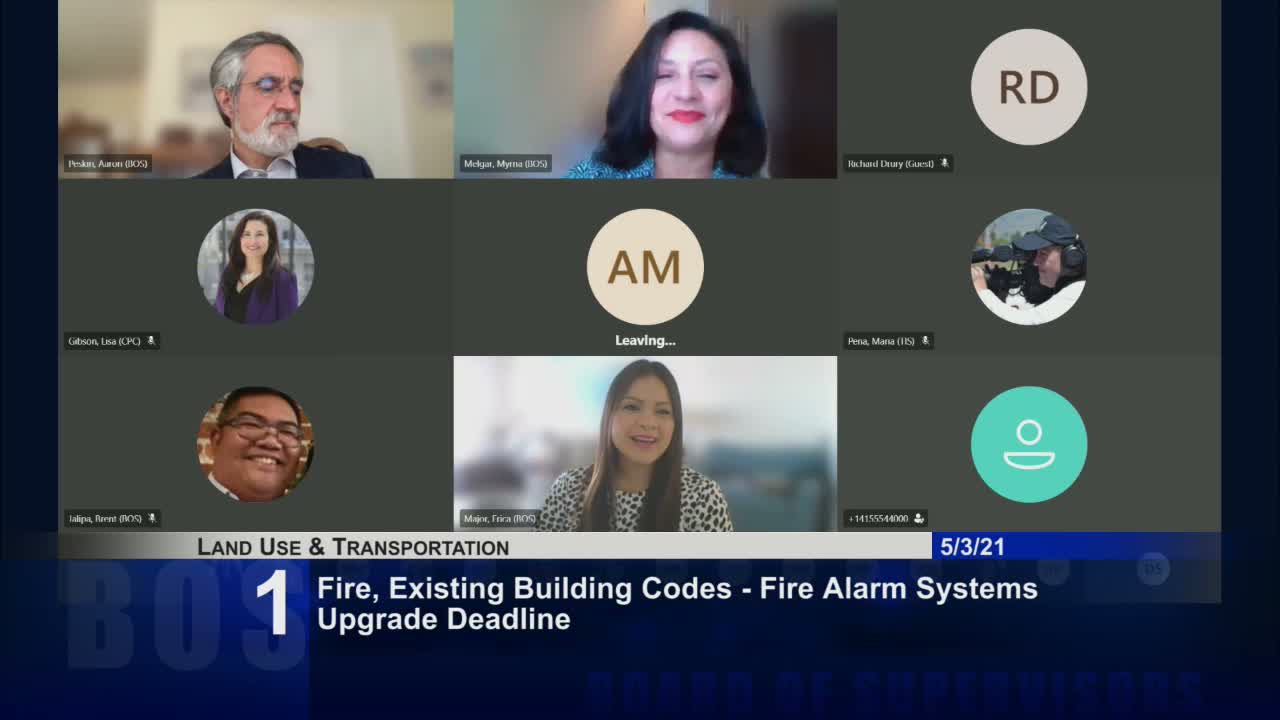
Planning Department Environmental Review Officer Lisa Gibson warned the committee that SB 37 "would add process." She said San Francisco’s local Maher cleanup program already requires site investigation and remediation and that, because many San Francisco permits are treated as discretionary under the city charter, the statewide change could sweep ordinary over-the-counter permits into lengthy and costly CEQA review. Gibson told the committee that, by the department’s estimate, "about 130 common sense projects a year in San Francisco would be swept up" into longer reviews and cited examples including small tenant improvements, ADU ramps and window replacements.
Richard Drury, an environmental attorney testifying for supporters of SB 37, disputed the planning department’s approach and said the department has "been violating CEQA for a decade by granting CEQA exemptions to projects built on contaminated sites." Drury cited CEQA section 21084 and court decisions and said the number of projects improperly exempted in recent years was small — "about 2 a year," he said — and that SB 37 would close what he described as an illegal practice. Drury argued that "15268 says building permits are ministerial" under state CEQA law, and that local naming of review processes does not change the statutory test for CEQA applicability.
Deputy City Attorney Kate Stacy told the committee that San Francisco’s charter and local code make many building permits discretionary and appealable to the Board of Appeals, which explains why the planning department believes some over-the-counter permits could be treated as discretionary locally and thus be affected by the bill.
Thirteen members of the public called in during the item; labor, environmental and neighborhood groups — including the Sierra Club, Green Action, LIUNA affiliates and neighborhood representatives — urged the committee to support SB 37. Neighbors and advocates for the 1776 Green Street site described elevated benzene readings and said that case illustrated why CEQA review and public oversight are necessary.
Committee members proposed and discussed several non-substantive textual amendments and language encouraging the senator to consider clarifying exceptions for very small, non-soil-disturbing work. The committee voted to recommend the resolution as amended and to forward a committee report to the full Board.
The committee’s recommendation does not itself change local law; the resolution expresses the Board’s support for the state measure while also urging the senator to consider the local concerns raised in the hearing as the bill is amended in Sacramento. The full Board will consider the resolution at a future meeting.