Get Full Government Meeting Transcripts, Videos, & Alerts Forever!
Get email alerts on the Rent Relief Distribution topic
No spam. Unsubscribe anytime.
Supervisors urge MOHCD to prioritize small landlords and affordable housing providers in rent-relief distribution
Summary
The committee approved a resolution, with non-substantive amendments, urging MOHCD and relevant state agencies to prioritize small property owners and affordable housing providers in administering rent-relief funds and to provide monthly reporting on federal funds received by landlords.
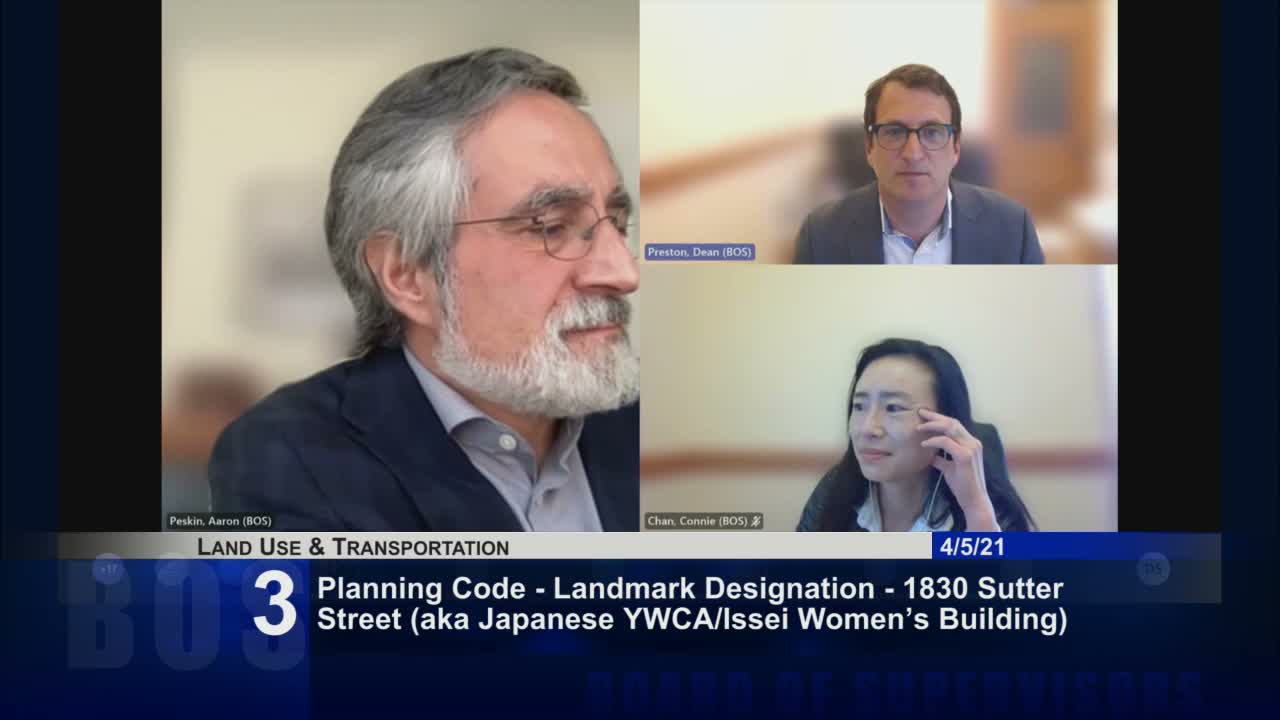
The Land Use committee on April 5 voted to forward a resolution urging the Mayor’s Office of Housing and Community Development (MOHCD) and state agencies to prioritize small property owners and affordable housing providers when distributing rent-relief funds, improve outreach to non-English speakers, and provide monthly written reporting on federal funds received by each landlord until distribution is complete.
Supervisor Connie Chan, sponsor of the resolution, told the committee that San Francisco tenants have accumulated more than $100 million in rent debt and that the city will receive state and federal rent-relief funds. Chan described the goal as protecting small “mom-and-pop” landlords while pressing large corporate landlords to negotiate direct relief for tenants so limited public funds reach the most vulnerable.
Eric Shaw, Director of MOHCD, briefed the committee on Treasury-funded emergency rental assistance and the state’s concurrent program. Shaw said the city’s direct allocation is $26.2 million and that the state received $1.5 billion (with approximately $28.2 million reserved for San Francisco households through the state allocation); he described program eligibility, income targeting (80% AMI with priority at 50% AMI or below), and application timing.
Supervisors pressed MOHCD on operational details including whether landlords or tenants apply, data-sharing MOUs with the state to avoid duplicate payments, whether landlord applicants need tenant permission, and what landlord-level reporting MOHCD can provide. Director Shaw said the city program will be tenant-focused and launched via community-based providers, that landlords can apply to the state program but must have tenant permission, and that MOHCD will explore collecting and aggregating landlord payment data while protecting resident privacy.
Several supervisors and callers raised concerns about corporate landlords (named during public discussion as including Veritas/GreenTree) allegedly intimidating tenants or seeking to leverage public funds; Supervisor Paskin and others called for tenant empowerment and for the Board to press for stronger protections. Supervisor Chan introduced non-substantive amendments to clarify references to state and city programs and to add a requirement for monthly MOHCD reporting; the committee approved the amendments and voted to forward the amended resolution (roll call recorded 3 ayes).