Get email alerts on the Building Code Compliance topic
No spam. Unsubscribe anytime.
Committee advances building code changes to expand compliance tracking for repeat violators
Summary
The Land Use and Transportation Committee voted to send an amended ordinance to the full Board that expands tracking and consumer protections for projects and parties with repeated significant violations. Sponsor staff and DBI clarified the measures target permit‑related misrepresentations and include internal tracking and factors guiding placement on an expanded list.
A San Francisco Board of Supervisors committee on March 1 advanced amended building‑code language the city says will broaden compliance tracking for projects, individuals and entities with a history of significant violations.
Amy Beinart, legislative aide to Supervisor Hillary Ronen, told the Land Use and Transportation Committee the sponsor’s late‑filed amendments narrow what notice types are initially tracked, clarify that the compliance control tracking file is for internal use and add factors to guide when a party or project is placed on an "expanded compliance control list." "For the most part, today's amendments are minor language adjustments to make the legislation more thorough and clear in implementation," Beinart said.
Supervisor Aaron Peskin, a co‑sponsor, moved the amendments and said the goal is to catch repeat bad actors without making the legislation unenforceable or penalizing less experienced parties. Peskin said he and the sponsor’s office will monitor DBI’s implementation and that DBI will issue administrative regulations defining "substantial" and "egregious" noncompliance.
John Murray of the Department of Building Inspection said the ordinance is intended to address building‑permit misrepresentations rather than routine housing‑code enforcement. "Our understanding was this was pertaining to building permits specifically and not to housing," Murray said, adding that the department had not factored broader housing enforcement into the scope of the tracking program.
Two callers spoke during public comment. Corey Smith of the Housing Action Coalition flagged DBI staff time needed to implement expanded tracking. Land use attorney Ryan Patterson urged stronger due‑process protections, arguing that placing people on a tracking list "merely for being associated with a project or reported violation" could deprive construction professionals of livelihoods and recommended that initial determinations be made through the director's hearing process so testimony could be taken under penalty of perjury.
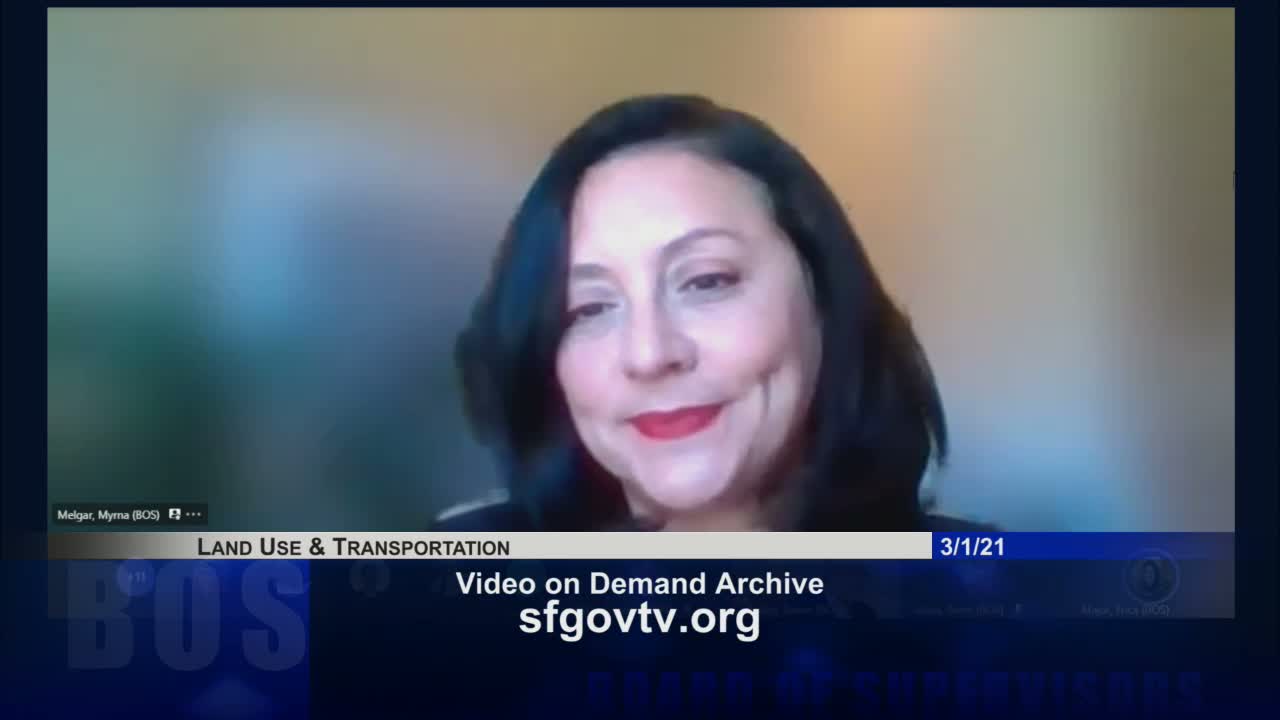
The committee voted to accept the sponsor’s amendments and to forward the ordinance to the full Board with a positive recommendation; Supervisors Aaron Peskin, Dean Preston and Chair Myrna Melgar voted "aye." The full Board will consider the ordinance at a later meeting.
The ordinance as amended tasks DBI with rulemaking to define implementation thresholds and leaves open further legislative fixes if the new tracking regime produces unintended consequences.
AI generated
The text on this page is AI generated. Summaries, highlights, analysis, and video transcripts are all produced from the original source material.
AI can make mistakes, so if you spot one, and we will fix it for everyone.
Note: the source content is unaltered by us. Any content source we link to, be it a video, an audio recording, or a document, is presented exactly as its publisher released it. That publisher is usually a government body, sometimes an individual official or another organisation.