Get Full Government Meeting Transcripts, Videos, & Alerts Forever!
Get email alerts on the Public Land Affordable Housing topic
No spam. Unsubscribe anytime.
Supervisors hear push to prioritize 100% affordable housing on public land; departments cite funding and infrastructure trade-offs
Summary
Supervisors pressed city departments to explain why some large public‑land projects include market‑rate housing and asked for clearer, public tracking of surplus sites and financing. MOCD and OEWD described criteria for 100% affordable sites, cited pipeline numbers and funding constraints; the hearing was continued for follow‑up.
San Francisco supervisors and city housing officials spent more than three hours Thursday examining how the city uses public land to create affordable housing, with advocates and residents urging the Board to prioritize 100% affordable projects.
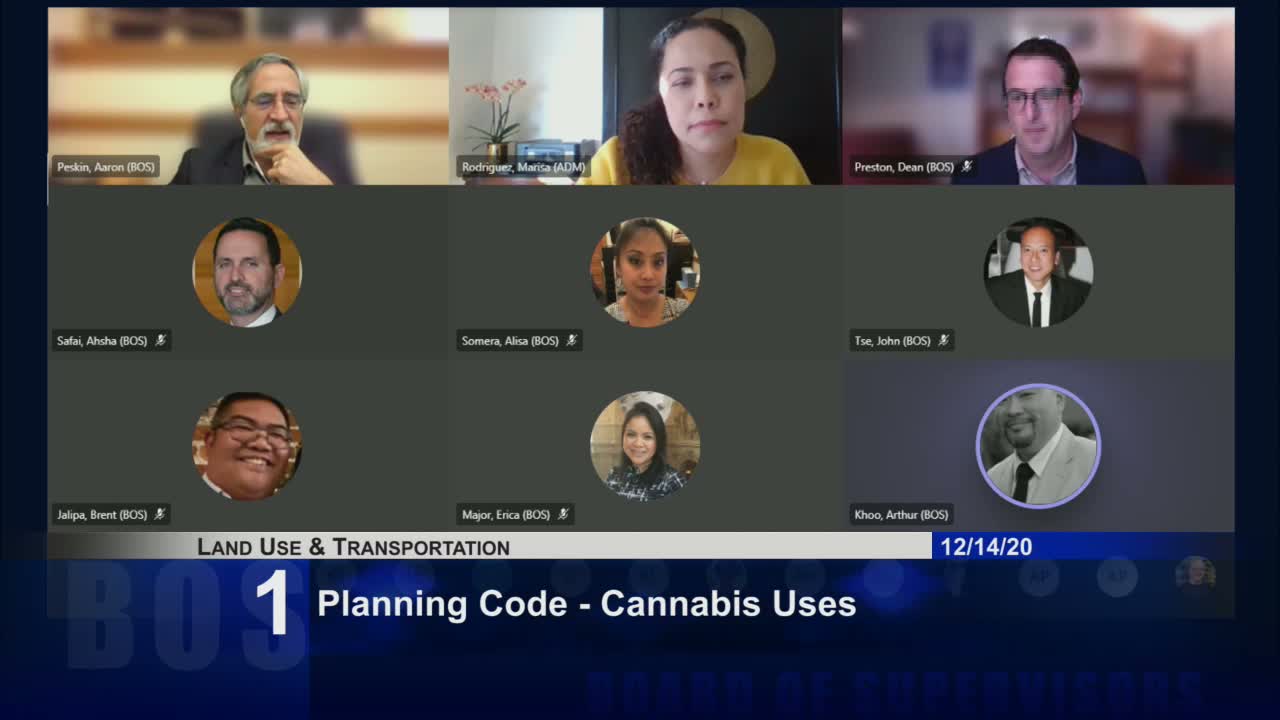
Sponsor Supervisor Dean Preston framed the hearing as a response to concerns following the Balboa Reservoir approval, which included both affordable and market‑rate units. "Can we do better?" Preston asked, pressing departments on ways to achieve higher levels of affordability on city‑owned sites and to bring decisions earlier in project development.
Office of Economic and Workforce Development policy staff and the Mayor—s Office of Housing and Community Development (MOCD) described two broad categories of public land: smaller surplus parcels that are good candidates for single‑building, 100% affordable projects and larger, multi‑acre enterprise agency sites that typically require new infrastructure and are more likely to rely on mixed‑income development. Lee Lutensky of OEWD said sites that best fit the 100% affordable model tend to accommodate a single building of roughly five stories and yield about 100–130 units, which aligns with available subsidy and tax‑credit financing.
MOCD—s Lydia Eley told the committee the city has moved a number of projects on public land through predevelopment, lease and construction; she provided an overview that the department counts roughly 1,774 below‑market units on public land in various stages (entitlement, predevelopment, construction or completed), and that large joint‑development projects such as Balboa Reservoir (1,100 units with 50% affordable = 550 affordable units) require substantial infrastructure funding. MOCD and OEWD said 1950 Mission is an example of a 100% affordable project built on public land: the project produced 157 low‑income units; MOCD gap funding was about $45 million and total project costs were reported at roughly $105 million.
Department staff repeatedly emphasized funding constraints. MOCD staff said the housing trust fund is a flexible source but not large enough to cover the infrastructure costs of many multi‑acre projects; they noted expected housing trust fund receipts of about $23 million in the coming year and a $3 million year‑end balance in a recent year. Lutensky warned that recent state changes making 4% tax credits competitive could threaten pipeline funding for local projects.
Board members pushed for more transparency and better data. Chair Supervisor Aaron Peskin asked for a public, sortable dashboard with project dates and status so the board and residents can see which public parcels are available, what is underutilized and which properties enterprise agencies retain. Real Estate Director Andrico Penick confirmed annual surplus property reports are submitted to the Clerk and said the Real Estate Division will present more detail on request.
Supervisors also pressed on who decides whether a given enterprise‑owned site will be 100% affordable. MOCD and Real Estate staff said decisions are collaborative among landowning agencies, MOCD and the mayor—s office; Deputy City Attorney Pearson confirmed the Board—s authority over enterprise departments is limited by the charter and would require a charter amendment to compel changes to enterprise‑held property.
Public comment was extensive and largely in favor of greater use of public land for deeply affordable or municipal "social" housing. More than 80 callers urged the city to set aside public parcels for 100% affordability, asked that the AMI mixes for projects in Districts 10 and 11 (including the Balboa Upper Yard and another Valley/Marini site) be lowered to match neighborhood incomes, and urged the city to use Proposition K and the recently approved Proposition I revenues for public acquisition and social housing pilots. Several labor and educator groups asked that any publicly financed projects be required to meet all‑electric and weatherization standards.
Supervisor Preston moved to continue the hearing to the call of the chair to allow follow‑up work — including surplus property hearings, a public dashboard and specific feasibility information — and the committee voted unanimously to continue the item. The continuance was intended to give staff time to deliver a site‑by‑site accounting, clearer pipeline dates and the feasibility analyses used to weigh mixed‑income versus 100% affordable outcomes.
What—s next: the committee requested departments provide a sortable project list (by owner, status, entitlement and completion dates), explicit feasibility analyses used when mixed income was chosen over 100% affordable, and a more detailed accounting of available funding sources for infrastructure and acquisition. The committee will revisit the topic at the call of the chair.