Get Full Government Meeting Transcripts, Videos, & Alerts Forever!
Get email alerts on the Building Electrification topic
No spam. Unsubscribe anytime.
Committee grills sponsor on all‑electric building ordinance; item continued for tighter exemptions and technical review
Summary
An ordinance to require all‑electric new construction drew lengthy debate over feasibility, development agreements, restaurant kitchens and a proposed just‑transition for workers; supervisors asked for narrower waivers, more technical detail from DBI and a follow‑up, and continued the measure to Oct. 19.
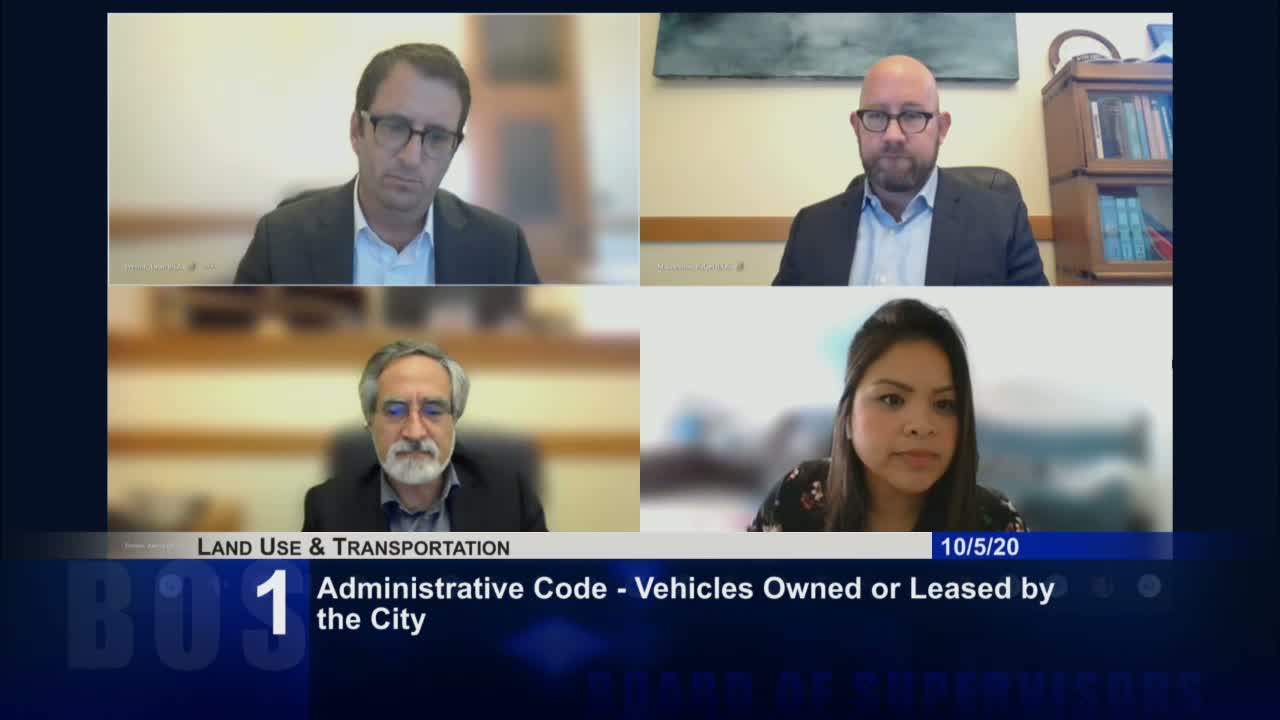
Supervisor Rafael Mandelmann presented an ordinance to prohibit natural gas connections in new construction with targeted exceptions for technical infeasibility and limited transition periods for certain restaurant uses. The Land Use and Transportation Committee heard extensive questioning from supervisors, legal staff and the public before agreeing to continue the item for more refined amendments.
"All electric projects are feasible. They are happening," Mandelmann said, urging an effective date tied to permits filed Jan. 1, 2021, while also acknowledging narrow exceptions for sites where electric options are technically infeasible. The ordinance would require the Department of Building Inspection (DBI) to follow an administrative bulletin that includes third‑party review and require annual reporting to the Department of the Environment on granted exceptions.
Deputy City Attorney Kristen Jensen clarified that any DBI regulatory guidance must be consistent with the legislation and cannot supersede the code. Committee members repeatedly sought clarity on how DBI would apply infeasibility criteria and whether the bulletin or the ordinance itself should include more explicit standards.
Labor representatives urged safeguards for workers. "We are concerned about the significant and immediate loss of good paying skilled construction jobs that will result," Tom Enfield of UA Plumbing Local 38 said, and asked for a just‑transition plan. Industry and environmental speakers gave mixed testimony: engineering and housing advocates said the technology (including heat‑pump water heaters and electric cooking alternatives) exists, while some builders noted higher upfront costs for particular project types and transformer upgrades.
Supervisors asked staff to draft narrower waiver language, explore a limited legacy‑business/restaurant transition (including a potential waiver or appealable process), and to tighten the definition of infeasibility so it is not purely financial. The committee recessed during public comment because of a technical problem with the call bridge and ultimately voted to continue the item to Oct. 19 to allow time for the sponsor and city attorney to refine amendments and for further outreach to stakeholders.