Get Full Government Meeting Transcripts, Videos, & Alerts Forever!
Get email alerts on the Sfpd Budget Staffing topic
No spam. Unsubscribe anytime.
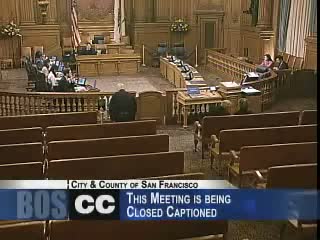
SFPD presents $481.2 million budget as supervisors press for hiring plan, civilianization and follow-up
Summary
At a Budget & Finance Committee hearing, the San Francisco Police Department outlined a $481,171,917 budget heavy on salaries and fringe costs and warned of large DROP-linked retirements; supervisors asked for detailed academy-class cost scenarios and civilianization plans and continued the item for follow-up.
The San Francisco Police Department presented a proposed $481,171,917 budget to the Board of Supervisors' Budget & Finance Committee, saying roughly 89 percent of that total is salary and fringe and warning of significant sworn staffing losses linked to the Deferred Retirement Option Program (DROP).
The department's presentation outlined a two-year staffing reduction plan that would remove 36 sworn positions in the first year and an additional 36 the following year and said a roughly 5 percent cut equals about $5,800,000 per year. The chief told the committee the department is down roughly 200 officers now and that continuing retirements and attrition could produce much larger deficits without an aggressive hiring program.
Why it matters: Supervisors and the department framed the budget as a tradeoff between paying current salaries and benefits and the cost of recruitment and training. Committee members pressed for clarity on how many academy classes the city must fund to avoid deep staffing shortfalls and on how civilianizing certain functions could free sworn officers for patrol.
Key details and disputes
- Staffing projections and the DROP program: The chief said DROP retirements and normal attrition could reduce net sworn staffing by “somewhere around 400 officers” unless hiring increases; the department emphasized its primary responsibility is answering 9-1-1 calls and that fewer officers will reduce community policing.
- Academy classes and costs: The chief estimated a full-year academy class could cost about $8,000,000, including training, FTO and fringe. Kate Howard, the mayor's budget director, told the committee the city has historically planned for approximately $5,000,000 per class because multiple classes create economies of scale. Supervisors asked the budget office to tighten the estimate and provide scenarios showing the fiscal and staffing trade-offs of different hiring cadences.
- Recruitment strategy: The department said it will pursue a mix of laterals and new recruits; laterals require abbreviated training and can be less costly, but the chief and several supervisors emphasized the value of homegrown recruits drawn from city neighborhoods.
- Overtime and public-safety correlation: The chief told the committee that when staffing nears historical highs, overtime declines and the city has seen low homicide rates; the presentation stated the department's overtime budget is now about $10,000,000 (down from prior highs) but warned that staffing shortfalls push overtime up.
- Fleet and technology: The chief described a backlog of aging patrol vehicles and urged a replacement schedule; he also outlined progress on a web-based records and data-warehouse platform supported by a $2,000,000 grant and by about $570,000 in recent general-fund allocations, saying wider deployment could improve field productivity.
- Youth, training and schools: Supervisors and the chief discussed youth-commission recommendations (distribution of 'know your rights' materials, training and a potential memorandum of understanding with the school district). The department said it is piloting crisis-intervention and train-the-trainer programs and plans youth-focused sessions during academy training.
Public comment and labor proposal
Gary Delaney, president of the San Francisco Police Officers Association, told the committee the union has accepted concessions that saved the city $37 million and warned the department faces a personnel crisis. Delaney said the POA is considering proposing a temporary reduction of entry-level pay for the first two years of service to help the city hire more recruits and “allow them to move forward and hire at least a minimum of 3 academy classes a year.” He acknowledged any such change would require reopening and renegotiating the contract with union members.
Next steps and committee action
Supervisors asked the department, the mayor's budget office and the controller's office to return with tightened cost estimates, multiple academy-class scenarios and a civilianization analysis showing how many positions could be converted to non-sworn roles. The committee agreed to continue the item to the call of the chair for a follow-up hearing. No formal vote on the budget occurred at the hearing.
Quotes
- "The proposed budget is $481,171,917," the department presentation said during the hearing. - Chief (role title): "We are currently down ... about 200 officers" and cautioned retirements tied to DROP will deepen staffing shortfalls. - Chief (role title) on per-class cost: "The per academy class is somewhere around $8,000,000 a class for a whole year." - Kate Howard, mayor's budget director: "Historically, we have tended to plan for approximately $5,000,000 as the cost of an academy class." - Gary Delaney, POA president: "We will lose 350 police officers over the next 2 years" and the POA is "considering... lowering the entry level pay for officers coming into the department, for the first 2 years of service to save the city some money, and allow them to move forward and hire at least a minimum of 3 academy classes a year."
Ending
The Budget & Finance Committee closed public comment, asked for detailed follow-up materials on academy-class costs and civilianization scenarios from the department and the budget offices, and continued the item to the call of the chair for a future hearing.