Get Full Government Meeting Transcripts, Videos, & Alerts Forever!
Get email alerts on the Tenant Right To Counsel topic
No spam. Unsubscribe anytime.
City reports early Prop F gains; advocates press for full funding to reach universal representation
Summary
MOHCD and nonprofit providers reported early results from the tenant Right to Counsel program: full-scope representation rose from roughly one-third to two-thirds of cases and full-scope clients avoided displacement 67% of the time. Providers and advocates urged full funding to reach universal full-scope coverage required by voters.
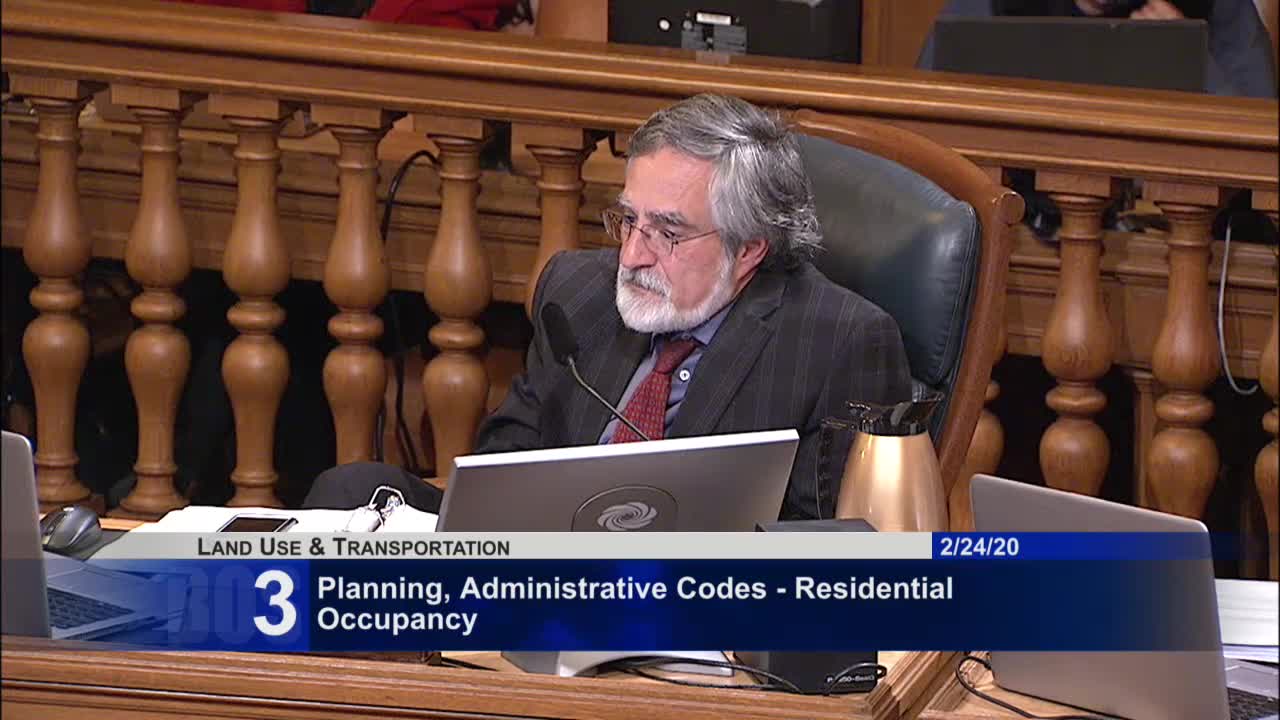
The committee held a lengthy hearing on implementation of Proposition F — the 2018 ballot measure guaranteeing a right to counsel for tenants in eviction proceedings.
Supervisor Dean Preston opened by framing Prop F as a data-driven anti‑displacement measure that, when implemented, reduces evictions and homelessness. Brian Chu of the Mayor's Office of Housing and Community Development presented early program outcomes: since launching full-scope representation in July 2019, the city has increased the share of tenants receiving full-scope legal assistance from about one-third to roughly two-thirds; of tenants who received full-scope representation and had closed cases, 67% stayed in their homes. MOHCD and partners reported that 1,634 households received assistance in the first six months and that program funding in the current fiscal year is about $9.8 million (MOHCD) plus $1.8 million from the Department of Homelessness and Supportive Housing, totaling approximately $11.6 million.
Speakers from a wide array of nonprofit legal providers (Open Door Legal, Eviction Defense Collaborative, Tenderloin Housing Clinic, Legal Assistance for the Elderly, Homeless Advocacy Project and others) described dramatic case-level wins and severe capacity constraints. Providers said they are handling far more cases than funded positions allow and asked supervisors to commit additional resources — one request cited a $4 million ask to add roughly 20 attorneys and support staff — to reach full implementation and reduce the number of tenants who still get limited-scope help.
Advocates emphasized the racial-equity impact of Prop F: MOHCD data showed especially strong success rates in preventing displacement for African American households. Supervisors and providers agreed on the program’s cost-effectiveness relative to building or rehousing costs; Supervisor Preston estimated the program saves housing units for an average of roughly $6,567 per unit retained under the model.
The committee unanimously moved to file the implementation report and encouraged the mayor’s office and budget authors to prioritize TRC funding so the city can meet the voter-mandated standard of universal full-scope representation.
Next steps: MOHCD and providers will continue implementation; supervisors signaled intent to pursue additional budget allocations to hire more attorneys, paralegals and social workers to increase capacity and retention.