Get Full Government Meeting Transcripts, Videos, & Alerts Forever!
Get email alerts on the Tenant Buyouts topic
No spam. Unsubscribe anytime.
Committee advances ordinance to tighten rules on landlord 'buyouts' of rent‑controlled tenants
Summary
The committee approved amendments to Administrative Code section 37.9(e) to require pre‑negotiation filing under penalty of perjury, set a 30‑day minimum between initiation of buyout negotiations and execution, classify certain unlawful‑detainer settlements as buyout agreements, and void tenant waivers if landlords fail to file; extensive tenant testimony urged stronger safeguards.
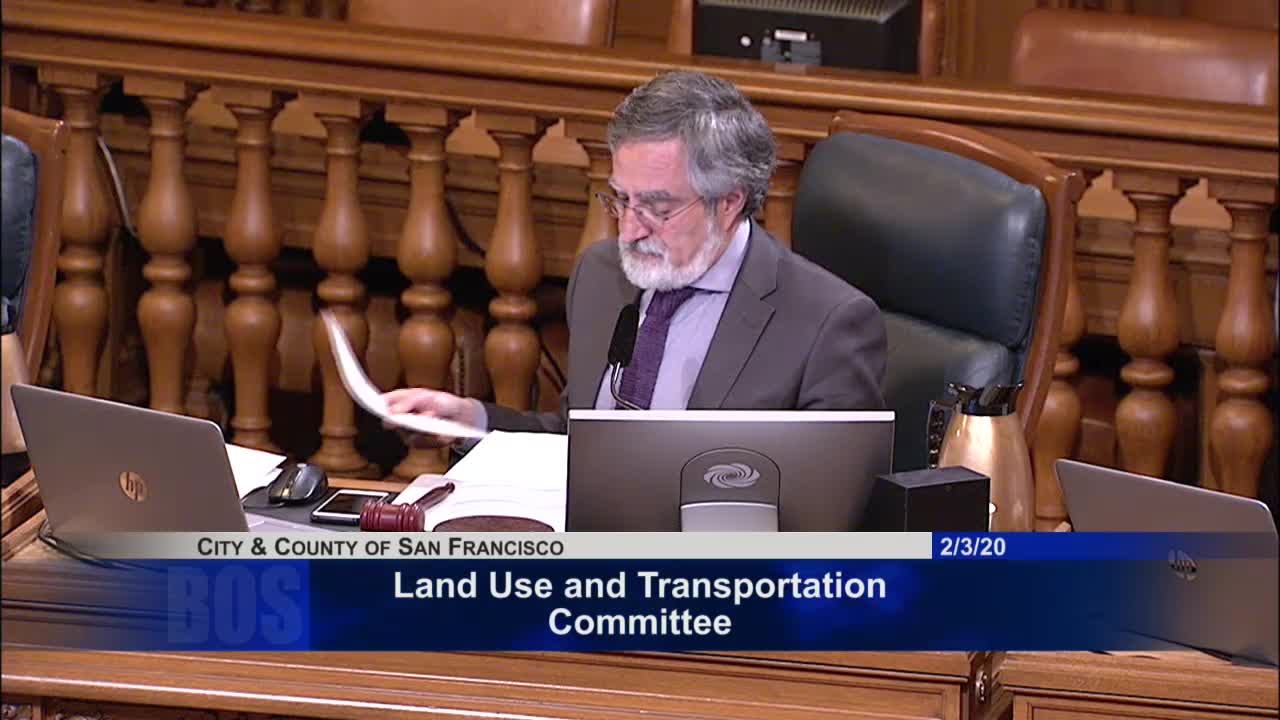
The Land Use & Transportation Committee on Feb. 3 forwarded an ordinance amending Administrative Code section 37.9(e) that tightens reporting and procedural requirements for landlord "buyout" agreements involving rent‑controlled tenants.
Amy Beinart, legislative aide to Supervisor Hillary Ronan, presented the amendments, which she said are intended to protect tenants from high‑pressure tactics and to close loopholes landlords use to avoid reporting. Key provisions described at the hearing include a requirement that landlords file a declaration under penalty of perjury before commencing buyout negotiations documenting disclosure to the tenant and the method of delivery; a 30‑day minimum between initiation of negotiations and execution of an agreement so tenants have time to consult counsel and advocates; a definition that treats unlawful detainer settlement agreements filed within 120 days of buyout negotiations as buyout agreements subject to regulation; and a provision voiding any tenant waiver of rights in a buyout agreement if the landlord does not timely file the required forms with the Rent Board.
Robert Collins of the Rent Stabilization Board thanked Supervisor Ronan’s office for incorporating non‑substantive amendments to ensure the correct identification of units and to make the recording more trackable. Dozens of tenants and tenant‑rights advocates gave emotional testimony describing harassment, late disclosures, verbal buyouts, and cases where tenants who accepted buyouts later became homeless or struggled with housing instability. Sarah Sherburn Zimmer of the Housing Rights Committee described repeated calls and threats to tenants and said many tenants come to clinics after they have already signed buyout agreements. Multiple speakers urged a longer cooling‑off period than 30 days, stronger enforcement and penalties for landlords and landlord attorneys who fail to file required disclosures.
Supervisor Dean Preston framed buyouts as a leading form of displacement that often goes uncounted in court eviction data and said closing the unlawful‑detainer recharacterization loophole and enforcing timely filing were essential. The committee adopted the non‑substantive amendments described by staff and sent the ordinance to the full Board with recommendation.
Next steps: the amended ordinance will appear on a future Board of Supervisors agenda for additional consideration and possible enactment.