Get Full Government Meeting Transcripts, Videos, & Alerts Forever!
Get email alerts on the Medical Cannabis Portability topic
No spam. Unsubscribe anytime.
Supervisors continue measure to let legacy medical dispensaries relocate; advocates say it protects veterans and patients
Summary
The Land Use Committee continued an ordinance that would let legacy medical cannabis dispensary permit holders move locations under narrow conditions, after hours of public comment from veterans, patients and advocacy groups and requests for amendments to guard against landlord‑side abuse.
The San Francisco Board of Supervisors Land Use and Transportation Committee continued, for one week, proposed amendments to the health code that would let grandfathered medical cannabis dispensary (MCD) permittees relocate and operate at a new address under narrowly defined conditions.
Honey Mahogany, staff to former Supervisor Matt Haney, described the ordinance as a limited portability fix aimed at protecting small and equity‑owned cannabis businesses that risk losing investments when permits are tied to a specific location. "This ordinance would authorize the director of the Department of Public Health to allow a grandfathered MCD permittee to change the location associated with the permit if the following criteria are met," Mahogany said, then listed conditions including verification by the Office of Cannabis as an equity applicant, proof of eviction or lease termination at the original site, authorization of the new location for medical cannabis use, compliance with Article 33/planning and police codes, and multi‑department inspections.
Dozens of public speakers — patients, veterans and community advocates — urged approval. "Relief was one of the few clubs that's honored compassion programs," said Gilbert Canelo, a disabled veteran who described the dispensary's veteran discounts. June Bug, a patient and Rose Canyon Group co‑chair, said Relief provided "safe and affordable access to our medicine" for marginalized patients. Owner Heidi Hanley described federal banking constraints that led to eviction despite compliance: "This legislation would allow myself and other equity applicants that find themselves in all kind of... policies," she said, arguing operators in good standing need protections when evictions occur.
Not all testimony was unqualified. Von Reyes, representing a small MCD permit holder who said they were wrongfully evicted, urged amendments to prevent portability to locations where the new landlord has a prior wrongful eviction or forcible detainer judgment. "The current language of legislation fails to consider behavior of the landlord at the new location," Reyes said, requesting limits to guard against inadvertent transfers that simply move the problem.
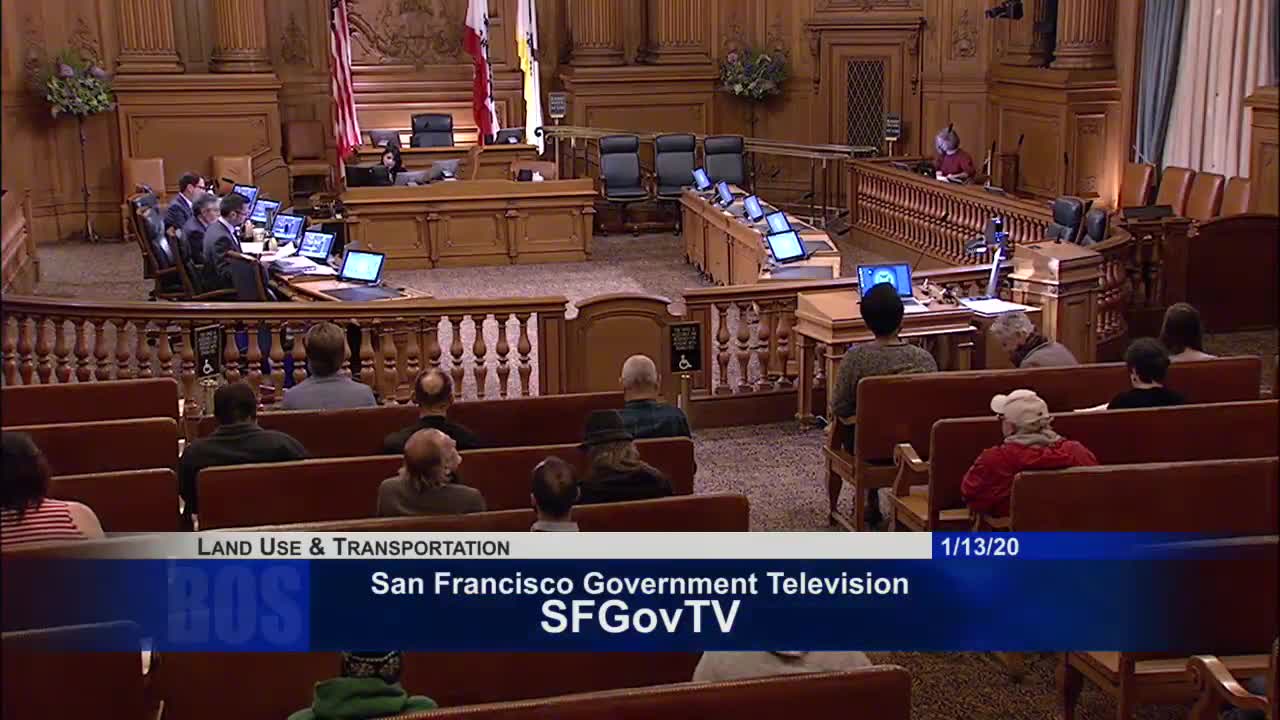
After public comment, Chair Aaron Peskin said the city attorney advised that a proposed amendment in the ordinance was "deemed to be substantial in nature" and required a one‑week continuance. The committee moved the amendment and continued the item to the Jan. 27 meeting without objection.
The continuance gives supervisors and city attorneys a week to refine the amendment language and to consider additional safeguards requested by stakeholders. The committee did not take a recorded roll‑call vote on the ordinance at the Jan. 13 meeting.
If adopted, the measure would leave in place narrow criteria for portability that supporters say would preserve legacy, equity and compassionate dispensaries while attempting to prevent exploitation by larger operators or problematic landlords. The item will return to committee on Jan. 27 for further consideration.