Get Full Government Meeting Transcripts, Videos, & Alerts Forever!
Get email alerts on the Biodiversity topic
No spam. Unsubscribe anytime.
Supervisors hear city agencies’ first progress report on implementing biodiversity resolution
Summary
Supervisors and agency staff described initial steps to make biodiversity a citywide priority — plant finder tools, draft design guidelines, native plant production, and training — while public commenters urged more funding, nurseries and demonstration projects to sustain restoration and stewardship.
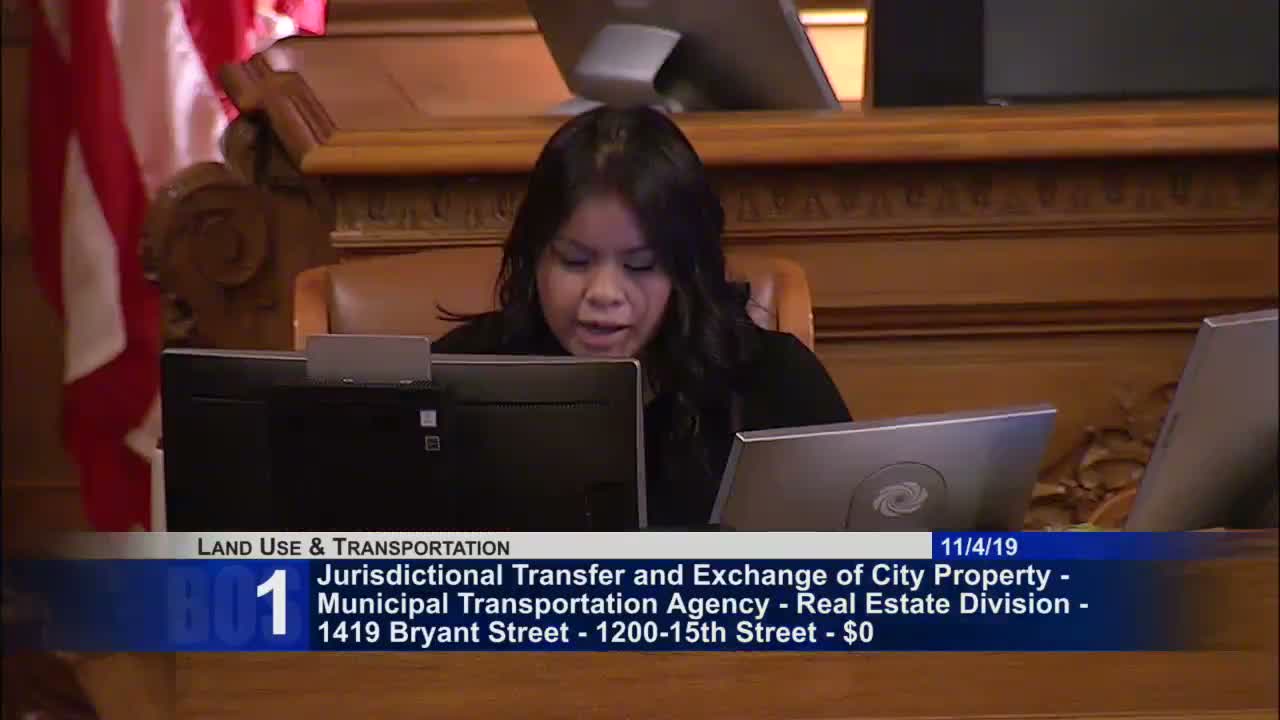
The Land Use and Transportation Committee held a hearing on Nov. 4 to receive the first implementation report on a 2018 biodiversity resolution and to review early steps agencies have taken to make biodiversity a citywide priority.
Supervisor Sandra Lee Feuer, sponsor of the follow‑up hearing, said the resolution directs an interagency working group of 15 departments to coordinate on conserving natural resources and expanding equitable access to nature. "Biodiversity is essential for thriving resilient ecosystems," she said, asking departments to focus on equity, community stewardship and ecological planning.
Debbie from the Department of the Environment framed the issue in global terms, noting steep declines in species and that the resolution asks city departments to set public commitments and collaborate. Peter Brasstow (Department of the Environment) described administrative follow‑up: departments returned surveys and memos documenting current activities and possible initiatives, and the city created a compendium summarizing those responses.
Lisa Fisher of the Planning Department laid out five priority initiative areas drawn from departmental surveys: increasing local native plant production, creating large pollinator gardens, integrating biodiversity into private‑sector projects via codes and tools, piloting biodiversity‑design guidelines, and advancing a Twin Peaks‑centered Bioregional Park concept. Fisher and Brasstow both identified four recurring implementation challenges: plant supply limitations, design and maintenance deficits, staff capacity shortages, and the need to apply a racial and social equity lens to site selection and workforce development.
Several city agencies signaled support. The Port said its commissioners unanimously adopted a Port biodiversity resolution earlier in 2019 and pledged to incorporate biodiversity into waterfront work. Recreation and Parks described its long‑standing natural‑area stewardship, cited more than 1,000 acres of natural areas and said volunteer programs contributed thousands of hours of maintenance. Public Works emphasized streetscape projects such as the Sunset Boulevard master plan.
Public comment included conservation activists, volunteer stewards and nonprofit leaders who urged the Board to increase funding, create city‑run native plant nurseries, establish measurable biodiversity baselines and use visible demonstration projects to persuade private developers and the public. Greg Naylor of the Earth Law Center said the city should consider financing and staff dedicated to local native plant production; several speakers urged a city naturalist and more outreach to build public support.
Supervisor Feuer said she would file the item for follow up, and the committee took that action without objection. Departments were asked to continue interagency coordination and to return with concrete proposals on staffing, nursery capacity, demonstration sites and measurable goals.
What this means
The hearing established near‑term priorities (plant lists, design guidelines, training, and interagency data collection) and highlighted funding and maintenance as the primary gaps. The committee’s filing sends departments back to refine budgets, staffing and measurable milestones to carry the resolution toward implementation.