Get Full Government Meeting Transcripts, Videos, & Alerts Forever!
Get email alerts on the Housing Policy topic
No spam. Unsubscribe anytime.
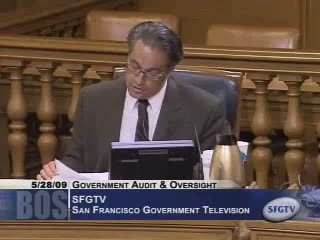
Committee forwards renter‑relief, occupancy and rent‑increase limits to full Board after heated debate
Summary
After hours of polarized testimony, the committee forwarded a package of ordinances—including tenant hardship relief (suspending rent increases that push rents above 33% of tenant income), limits on rent increases, and occupancy/roommate provisions—with agreed amendments and a proposed sunset tied to local unemployment (committee suggested 5% annual SF unemployment) to be refined before the full Board.
Supervisor Daly presented a package of ordinances intended to provide targeted relief to renters during the economic downturn: (1) extend housing code protections to all persons sharing housing, (2) limit annual rent increases to 8% of base rent, (3) create a tenant financial hardship application process to provide relief when total rent would exceed 33% of a tenant’s gross income (adding tenant assets to the review), and (4) prohibit automatic rent increases for additional occupants so long as occupancy does not exceed housing code limits.
The package provoked extensive debate over conflicts of interest after Supervisor Maxwell asked to be recused because she owns rental units; the city attorney advised she should not participate and the committee temporarily excused her to avoid tainting the process.
Budget analyst Deborah Newman told the committee the tenant‑hardship provision (item 6) will have a fiscal impact on the Rent Board because it would require additional administrative law judges and legal staff to process petitions; she estimated partial‑year costs of about $157,000 and annualized costs around $314,000, funded by Rent Board fees rather than the city general fund. She recommended a report‑back to the Board within a year and clearer statutory definitions for total rent, gross income and assets.
Public comment drew large, sharply divided turnout: tenant advocates and community groups described tenants paying very high shares of income in rent and urged passage; small property owners, rental managers and landlord groups warned of unintended consequences (vacancies, conversion of units to other uses, financial distress for small owners), overstated implementation costs and risks to building condition and safety if occupancy rules are loosened.
Department of Building Inspection staff explained that existing housing‑code occupancy formulas (habitable room calculations) already limit overcrowding and that children under six are not counted in those formulas; the DBI commission recommended disapproval of one housing amendment but the department said it was working with the city attorney to resolve technical issues.
The Controller recommended using 5% (rather than 4%) as the unemployment threshold for a sunset tied to economic recovery; the committee accepted a package of amendments (including tenant assets in hardship calculations, a rent‑board report back within a year, and schedule/technical roommate clarifications) and moved the package to the full Board for consideration on June 23, with the recommended unemployment sunset language to be refined in the interim.
What’s next: The package will go to the full Board with the amendments and the Budget Analyst’s recommendations; technical language for the sunset mechanism and definitions requested by the Budget Analyst will be drafted before full Board consideration.