Get Full Government Meeting Transcripts, Videos, & Alerts Forever!
Get email alerts on the Cj4 Closure topic
No spam. Unsubscribe anytime.
Supervisors press for plan to close seismically unsafe 850 Bryant jail as advocates reject transfers and new beds
Summary
Supervisor Haney and witnesses pressed for an immediate, detailed plan to close County Jail No. 4 at 850 Bryant after reports that it is seismically unsafe. A Budget & Legislative Analyst report and presentations from the DA, City Administrator and Sheriff framed options; public commenters opposed transfers to Alameda County and called for housing and community health investments.
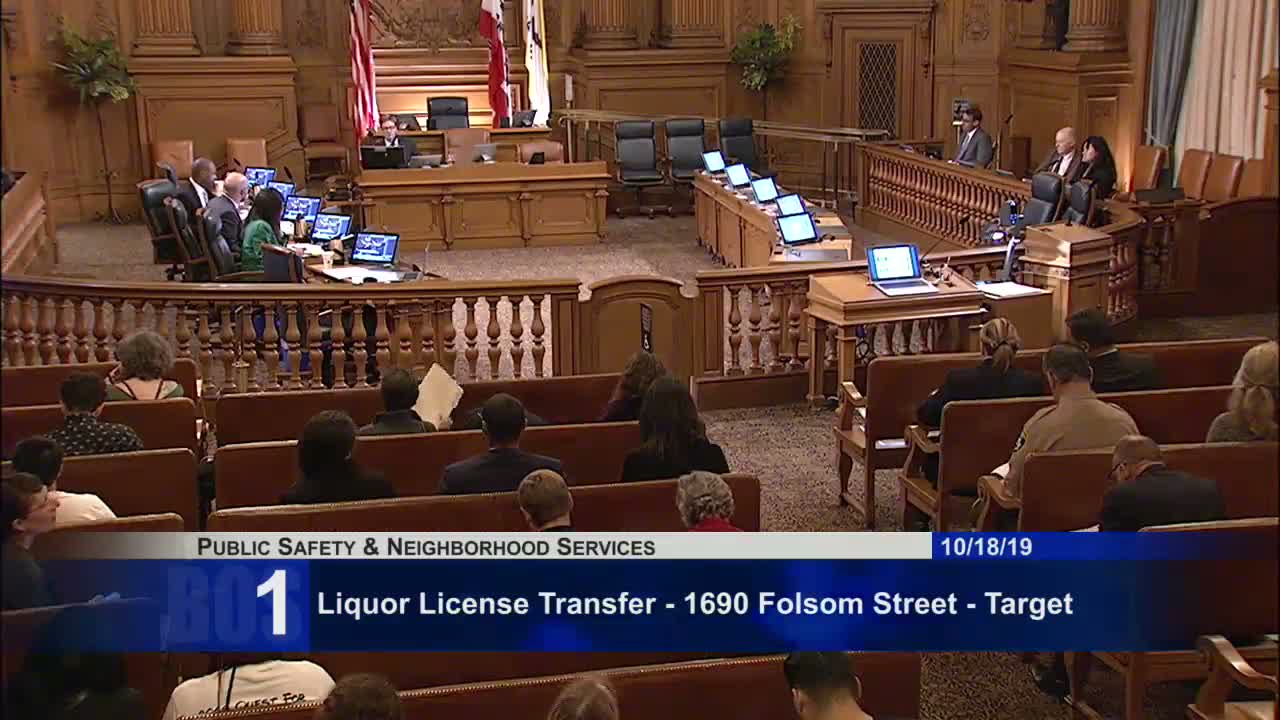
The Public Safety & Neighborhood Services Committee held an extended hearing on County Jail Number 4 at 850 Bryant, where supervisors, city analysts, justice partners and dozens of public commenters confronted a narrow set of options to address a seismically unsafe facility that houses mainly pretrial detainees.
"This building is seismically unfit," Supervisor Shamann Walton colleague Supervisor Haney said in opening remarks, calling the lack of a plan for people incarcerated at CJ4 "unacceptable." He noted the building has been marked for demolition since 1996 and said the city needs a clear timeline and transition plan for both incarcerated people and staff.
The Budget and Legislative Analyst (BLA) summarized a report the office released days earlier. Fred Brusseau told the committee that for the current fiscal year the combined costs associated with CJ4 — sheriff operations, capital/real‑estate work and Department of Public Health jail health services — were about $24.7 million. The BLA noted 85 sheriff positions at the facility (roughly 70 deputy sheriffs), about 17 ongoing DPH staff assigned to jail health, an average daily jail rate previously reported at $250.11 per person (FY 2017‑18), and that the CJ4 census on July 31, 2019, was 313 people with 45.1% African American representation and roughly 93% of those at CJ4 classified as pretrial.
Tara Anderson of the District Attorney’s office described a MacArthur Foundation Safety and Justice Challenge grant and related initiatives aimed at reducing the average daily population to a target (the DA’s presenters cited a goal of about 1,044 system‑wide daily population to enable CJ4’s closure). The DA’s office called for data sharing, targeted interventions to reduce repeat bookings, faster case processing and better connections to treatment so people ordered out to community services can actually reach them.
City Administrator staff described a parallel "administrative exit" effort to relocate court and city functions out of the Hall of Justice, listing leased sites (including 350 Rhode Island and other properties) intended to house the district attorney’s staff, probation and other operations and explaining dependencies such as kitchen services and police evidence functions that complicate a full move and demolition timetable.
Sheriff V. Hennessy said CJ4 presents a serious operational challenge and described a range of options: invest further in community services and diversion; renovate or repurpose other county facilities (including County Jail 6 at San Bruno); or, as a last‑resort operational option, contract with an out‑of‑county facility. The sheriff warned the committee that transfers would separate people from families and counsel and flagged risks of out‑of‑county placements.
The hearing exposed a sharp divide. Community organizations, advocates and many people with lived experience urged immediate closure, opposed any plan to transfer people to Alameda County’s Santa Rita Jail — citing recent litigation and a documented pattern of deaths and mistreatment — and rejected proposals to build new jail beds at a reconsolidated "justice campus." The No New Jail SF coalition and dozens of public commenters recommended aggressive use of pretrial diversion, expansion of housing and behavioral health services, and implementation of the 72 recommendations from the 2016 jail re‑envisioning work group.
Supervisors probed specifics: funding, timeline, the interplay between the MacArthur grant and the mayor’s recently announced July 2021 closure date, whether the courts’ capital prioritization would allow earlier action, and what short‑term operational options exist if the population cannot be reduced quickly. The DA’s office and sheriff said grants and interventions could produce measurable reductions (presenters offered estimates for impacts from reduced repeat bookings, expedited case processing and improved connections to treatment), but both acknowledged the targets were ambitious and dependent on cross‑agency cooperation and new resources.
The committee did not take a final policy vote on closure; Supervisor Haney moved to continue the discussion to the call of the chair for further follow‑up and the committee agreed. Public speakers and supervisors left the hearing urging quicker, stronger commitments to decarceration, immediate relocation of people out of CJ4, and binding prohibitions on out‑of‑county transfers.
What’s next: committee follow‑up was requested on the BLA findings, the DA’s implementation timeline for the Safety & Justice strategies, and a city administrator plan for administrative moves and capital sequencing. Advocates called for Council legislation that would set firm closure milestones, prohibit transfers to specific out‑of‑county facilities and lock funds into housing and community‑based treatment.