Get Full Government Meeting Transcripts, Videos, & Alerts Forever!
Get email alerts on the Communities Of Opportunity topic
No spam. Unsubscribe anytime.
Supervisor Maxwell and mayoral staff outline Communities of Opportunity plan; residents and funders urge continued support
Summary
City officials presented refinements to the Communities of Opportunity (COO) place‑based anti‑poverty initiative, citing pilot successes including a claimed 43% drop in elementary truancy; residents, nonprofits and funders testified in favor of continued funding and embedding services in redeveloped public housing.
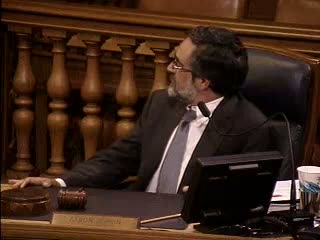
Supervisor Sophie Maxwell convened the Committee’s hearing on the Communities of Opportunity program (COO), and Dwayne Jones, the city lead on COO, described a strategic shift from infusing new programs to systems change rooted in resident engagement.
Jones said COO now focuses on three pillars — smart government, strong communities and serious transformation — and described a 'prosperity grid' approach to ensure access to housing, jobs and services. He said the program’s near‑term goal is to reduce the share of families in crisis to less than 10 percent and to increase the number of stable families by 50 percent over the planning horizon.
Deputy Director Camille Wyckoff gave concrete examples: a resident assistance program that reworked eviction payment plans and produced a 75% decrease in back‑rent cases in a three‑month period, coordinated case management (SF Can Do) to reduce duplication of services across departments, and school‑based truancy interventions. Jones told supervisors early program data indicated a 43% decline in elementary truancy at pilot sites within the first year of targeted interventions.
A broad cross‑section of nonprofit leaders, community residents and philanthropy backed the initiative at public comment. Pam David of the Walter & Elise Haas Fund said philanthropy has invested nearly $4 million in COO and urged patience because system change takes years. Numerous residents and COO staff described neighborhood‑level employment, training and outreach work and asked the board to secure ongoing funding so resident liaisons and site‑based services can continue.
Several speakers pressed for explicit, written guarantees that residents of existing public housing would be able to return as units are redeveloped; other commenters asked the city to preserve family‑sized units and monitor replacement ratios. Dwayne Jones and COO staff said replacement and resident protections were policy priorities and cited housing funding allocations ("$95,000,000 currently allocated") for public housing replacement projects but did not provide detailed unit‑by‑unit replacement commitments in the hearing record.
Supervisor Maxwell closed by thanking community members and noting the hearing would be continued at a later date for more detailed budget and programmatic review.
The hearing provided both qualitative examples of early wins and a list of open questions — notably long‑term funding commitments, written guarantees for resident return and the precise breakdown of unit sizes for replacement housing — that the committee flagged for follow‑up.