Get Full Government Meeting Transcripts, Videos, & Alerts Forever!
Get email alerts on the Childcare Zoning topic
No spam. Unsubscribe anytime.
Supervisors’ interim zoning proposal would require review before childcare sites can be converted
Summary
A committee advanced an 18‑month interim control that would require conditional‑use authorization when an existing childcare facility is converted to another use; supporters said the step is needed to protect longstanding centers facing displacement in San Francisco’s competitive real‑estate market.
Board President Norman Yee and supporters urged the Land Use and Transportation Committee to forward a resolution that would impose 18‑month interim zoning controls requiring conditional‑use authorization when an existing childcare facility is changed to another use.
Yee told the committee the city faces a shortage of licensed infant and toddler care, saying, “We have 23,000 infants and toddlers and nearly 20,000 preschoolers in this city,” and that an estimated 85 percent of children ages 0 to 2 lack licensed care. He said roughly 2,000 families are on a wait list for care and argued that speculative real‑estate pressure is placing long‑standing childcare providers at risk of displacement.
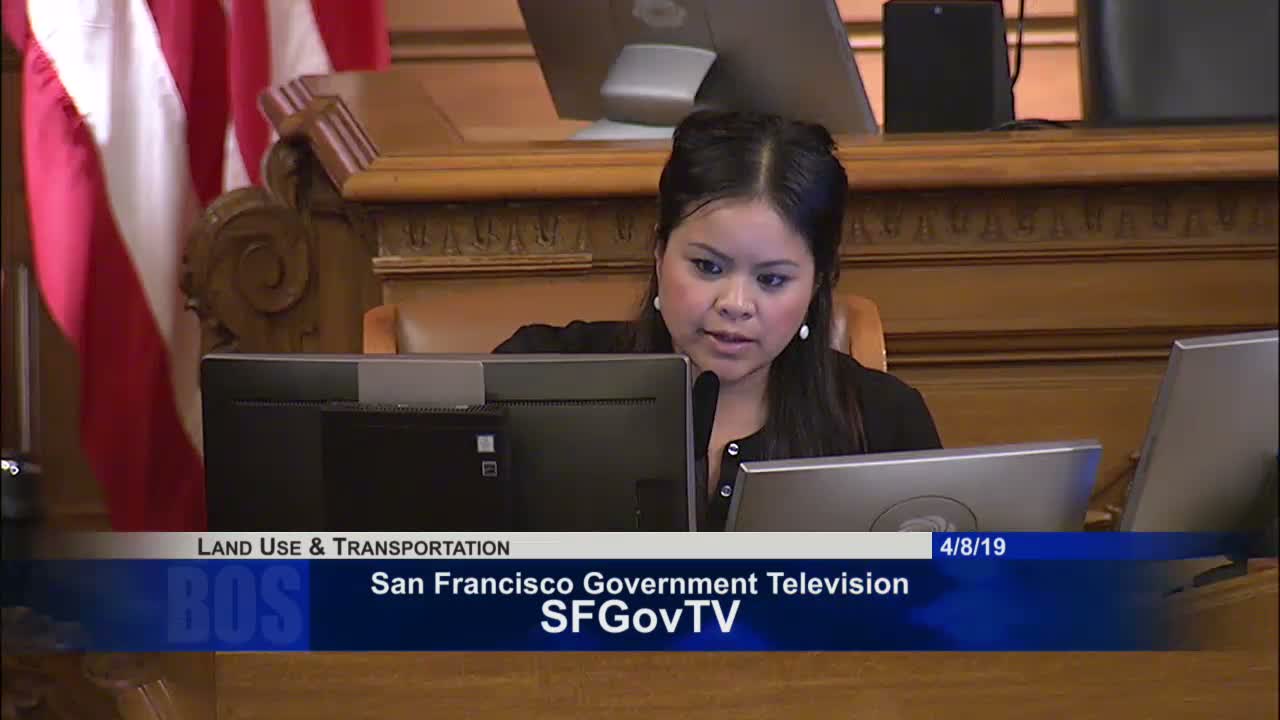
Kelly Ng, development manager at Waimei School, told the committee Waimei — founded in 1974 and operating multiple bilingual programs — was notified last year that its landlord had put the building up for sale, putting the center in danger of displacement. “The loss of Waimei School at its current site would be a loss for the community of much needed childcare services for working families in the neighbourhood and the city,” Ng said, urging approval of the interim controls.
Daisy Kwon, a legislative aide to Supervisor Marr, said the Office of Early Care and Education (OECE) has identified at least eight centers that recently faced possible displacement from rent increases or building sales and that those counts are likely conservative. Supporters said the interim period would give the city time to track centers, investigate market pressures, and consider ways to support existing providers and encourage new licensed spaces.
Deputy City Attorney John Givner cautioned that whether the interim control applies in a given case depends on the details of a project and whether a sponsor is seeking a change of use; he offered to consult with Planning on specific projects and suggested that clarifying language could be adopted at the Board without sending the measure back to committee. Committee members discussed clarifying language so that projects that removed and then replaced a childcare on site as part of a redevelopment would not unintentionally trigger the conditional‑use requirement.
At the end of the hearing Chair Erin Peskin asked for a motion to forward the resolution to the full Board of Supervisors with the understanding that staff and counsel would "figure out whether any amending resolves are required" in the intervening days. Supervisor Safai moved the referral; the Chair took it without objection and adjourned the committee.
The committee did not record a roll‑call vote; the item will appear on the Board of Supervisors agenda on April 16. The interim control as described would apply only when an existing childcare facility is changed to another use; supporters said the intent is to preserve licensed childcare slots and to provide time for broader policy development during the interim period.