Get Full Government Meeting Transcripts, Videos, & Alerts Forever!
Get email alerts on the Older Adult Employment topic
No spam. Unsubscribe anytime.
Supervisors hear proposals to expand jobs programs for older adults and people with disabilities; advocates ask for more funding and data
Summary
A multi‑agency hearing outlined city programs (ReServe, ACE, CSEP, OEWD contracts, Department of Rehabilitation placements) and identified gaps in outreach, data and stable funding. Providers and program participants urged the Board to increase support and clarify career pathways.
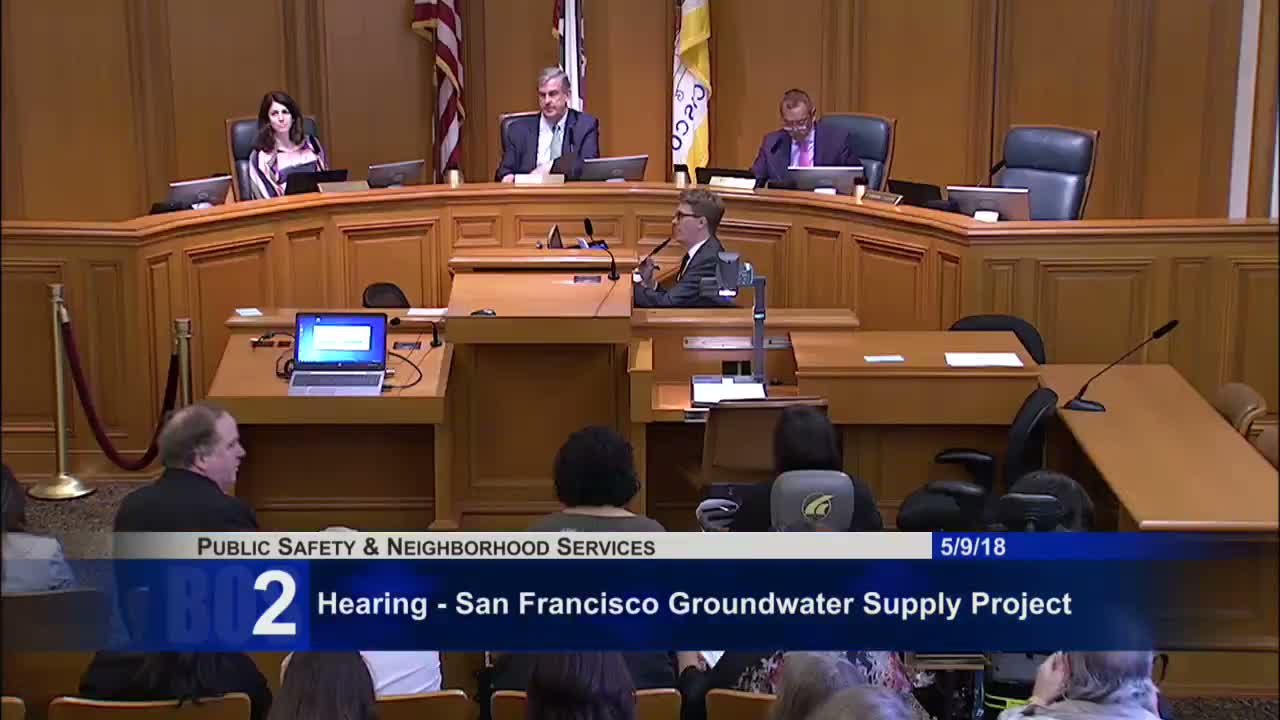
Supervisor Norman Yee convened a May 9 hearing on employment for older adults and adults with disabilities and asked city agencies to outline existing programs, barriers and potential next steps.
Presenters summarized program portfolios and limited current funding. Shereen McSpadden, executive director of the Department of Aging and Adult Services, described small city programs including ReServe (projected to serve about 100 clients in FY17‑18 on approximately $250,000/year), a senior companion stipend program (about $85,000/year), community liaison positions and an ARC janitorial support contract (about $100,000/year). She noted IHSS contains a sizable cohort of older independent providers (roughly 5,200 individuals age 60+ working as caregivers) and emphasized nascent efforts to connect older adults to employment opportunities.
Portia Benton of the Department of Human Resources described ACE (Access to City Employment), the city's alternative entry pathway for applicants with disabilities. Benton said DHR has increased outreach and now posts more than 80 entry‑level classifications for continuous hiring; she noted a pilot to place ACE candidates into exempt/part‑time roles to improve fit. Mickey Callahan (DHR) explained economic disincentives for strict job‑sharing because employer benefit rules make some job‑share arrangements costly.
OEWD representatives described workforce providers and reported about 7 percent of participants last year were age 60+, rising to roughly 8.5 percent in the current year, with a $15 million total contract budget and a roughly $700,000 portfolio focused on disability providers. Teresa Blue (California Department of Rehabilitation) outlined state services, noting on‑average placements of about 350 San Franciscans who sustain employment 90+ days and a range of youth and adult vocational supports.
Public comment overwhelmingly urged expansion and stable funding for programs such as Reserve (San Francisco Reserve), the Senior Community Service Employment Program (CSEP), ReServe and nonprofit placement partners. Several program alumni and nonprofit leaders described successful transitions to paid work and said small programs face wait lists and limited funding to expand.
Supervisors concluded by thanking presenters and the public, asking departments to provide clearer data on placements and funding, and asking the mayor's office and departments to consider funding increases in the upcoming budget. The committee closed the file on item 3 without objection and signaled follow‑up meetings among Supervisor Yee's office and city departments to develop next steps.