Get Full Government Meeting Transcripts, Videos, & Alerts Forever!
Get email alerts on the Hate Crimes topic
No spam. Unsubscribe anytime.
Supervisors press for more data and higher‑level police engagement after anti‑LGBTQ hate‑crimes hearing
Summary
A Jan. 10 committee hearing on anti‑LGBTQ hate crimes featured presentations from the Human Rights Commission, the mayor—s office, SFPD and the District Attorney—s Office that highlighted underreporting, training and rising prosecutions; supervisors urged more data, criticized the absence of SFPD command staff, and continued the item for follow‑up.
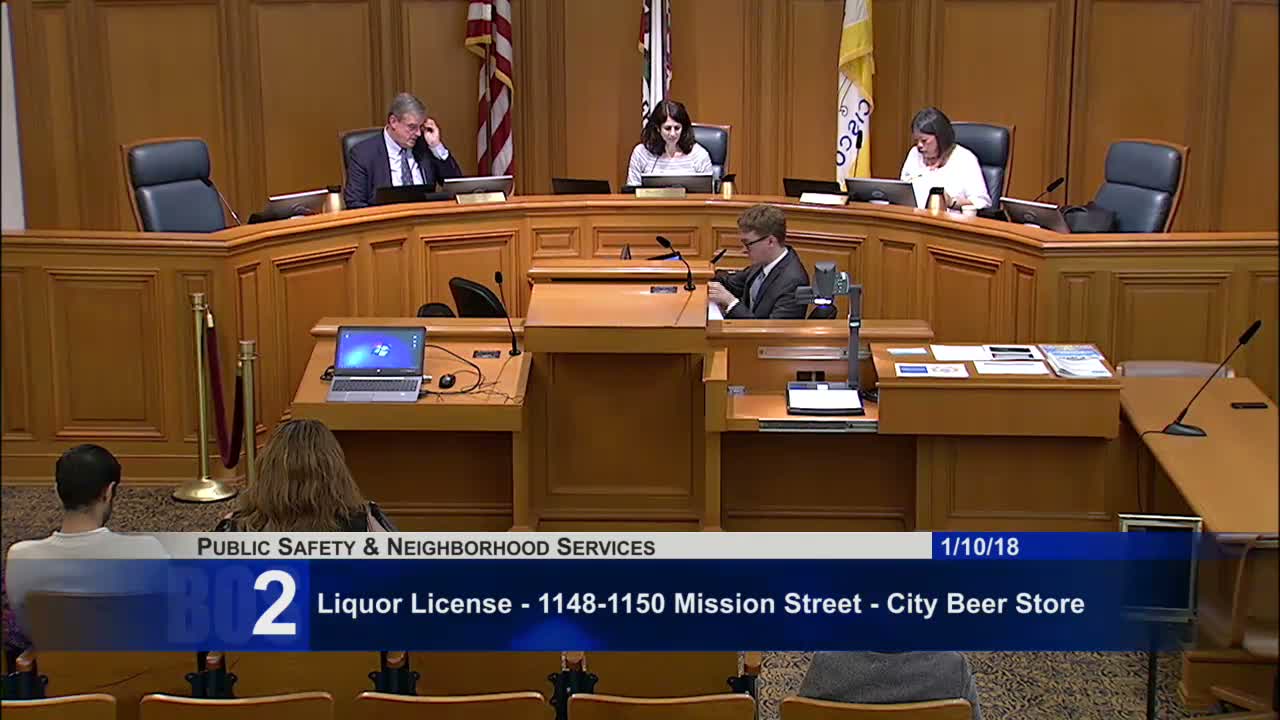
The Public Safety and Neighborhood Services Committee on Jan. 10 held an extended hearing on anti‑LGBTQ hate crimes, heard data and outreach plans from the Human Rights Commission (HRC) and the mayor—s office, received crime‑count and training reports from the San Francisco Police Department, and heard filing‑trend data from the District Attorney—s Office. Supervisors pressed for more consistent data collection, more resources for community‑based organizations and victim services, and for higher‑level police engagement; the committee continued the item to the call of the chair for follow‑up.
Supervisor Jeff Sheehy opened the hearing by citing state and FBI data, saying California hate crimes had risen 11.2% and that Bay Area hate‑crime reporting increased in 2016 versus 2015; he said San Francisco was among the Bay Area cities with high reported numbers and warned that hate crimes motivated by sexual orientation and gender identity were trending upward. "The current administration perpetuates hate and exclusion," Sheehy said, and argued the national environment has emboldened people to commit violence against LGBTQ residents.
Cheryl Davis, executive director of the Human Rights Commission, said underreporting is the central problem and recommended proactive outreach, improved data collection and more frequent needs assessments (she suggested at least biannual reviews). Davis highlighted HRC work such as school visits, a "Help Against Hate" campaign and curriculum developed with the University of San Francisco; she argued the city should invest more in capacity building for small, on‑the‑ground groups rather than channeling limited funding only to organizations that are better resourced to write grants.
Claire Farley from the mayor—s office described national trends and fatalities affecting transgender people: "2017 was one of the most deadliest years for transgender people. We had over 27 transgender people murdered in The US," she said, and urged stronger victim services (advocates, legal help, court support) and a gap analysis and advisory body focused on trans initiatives. Farley said the mayor—s office will work on communications, a training arm and multilingual access to services.
Lieutenant David O'Connor and Sergeant Monica McDonald of the San Francisco Police Department presented a two‑year snapshot: "In 2016, there were 18 anti‑LGBTQ hate crimes reported in San Francisco out of a total of 36 hate crimes in the city," McDonald said; "This year, in 2017, we had 13 specifically anti‑LGBTQ hate crimes out of a total of 40 hate crimes." The department said that in 2017 there were 40 total incidents and 20 arrests tied to those incidents. SFPD explained that a hate‑crime enhancement requires an underlying crime (assault, vandalism, threat, etc.) and noted ongoing officer training and outreach efforts.
Christine Deberry of the District Attorney—s Office cited Penal Code 422.55 as the statutory framework for hate crimes and described the office—s hotline and multilingual services. Deberry said the DA—s office has seen increased filings: in 2014 SFPD brought 12 hate‑crime matters and the DA filed 4; from 2014 to 2017 the office said it had a 575% increase in cases it is charging as hate crimes and a 93% growth in its hate‑crime caseload from 2016 to 2017. She described a process in which additional review can lead to adding hate‑crime enhancements when warranted.
Supervisors pressed multiple operational questions: whether the HRC has the budget to conduct regular assessments (Davis said $50,000 had been allocated for a needs assessment but broader funding is limited), whether data from SFUSD and school counselors could be incorporated (a January 25 hearing on school data was noted), and whether the DA has a dedicated LGBT victim advocate (Deberry said the office does not have a single dedicated advocate; staff with LGBT experience handle cases and the hate‑crimes attorney rotates, reducing continuity). Several supervisors expressed alarm that no command‑level SFPD staff attended the hearing; one said they were "incredibly disappointed" and called the absence disrespectful to the community.
Committee members emphasized the difference between crimes that meet the statutory hate‑crime threshold and broader patterns of violence and harassment that disproportionately affect LGBTQ people (for example, repeat robberies or targeted assaults that may be charged as robbery or assault rather than hate crime). Supervisors asked SFPD and the DA to provide more granular data — including incidents suspected to be motivated by bias even when a hate‑crime enhancement is not ultimately charged — and to return with command staff and additional metrics on reporting and community trust.
The public comment period yielded no speakers. The committee closed the hearing and continued the topic to the call of the chair for follow‑up on data requests, resource allocations and to secure command‑level police participation at a future session.