Get Full Government Meeting Transcripts, Videos, & Alerts Forever!
Get email alerts on the Neighborhood Property Crime Units topic
No spam. Unsubscribe anytime.
San Francisco supervisors continue consideration of neighborhood property‑crime units after SFPD outlines rising thefts and steps to respond
Summary
Supervisors opened discussion on creating neighborhood automobile break‑in, bicycle theft and property‑crime units; SFPD presented data showing a 25% year‑over‑year rise in reported car break‑ins and described redeployment, new investigative positions and DA coordination. The committee continued the item to Oct. 11.
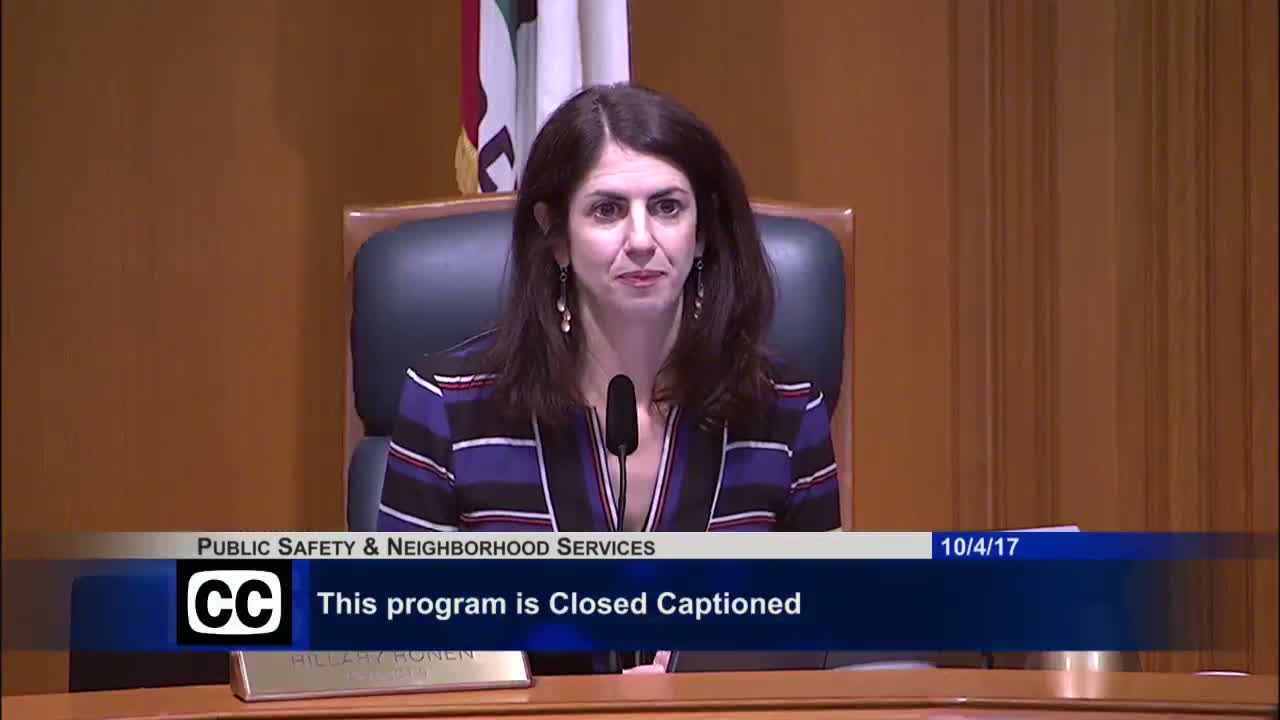
Supervisor Hillary Ronan and colleagues on the Public Safety and Neighborhood Services Committee on Oct. 4 opened consideration of legislation to establish neighborhood-level units to tackle automobile break‑ins, bicycle theft and related property crime and recessed briefly for a joint press conference with police leadership.
The measure, described by the clerk as an ordinance to amend the Administrative Code to create district-based property‑crime units, was framed by sponsor Supervisor Yee as a neighborhood-first approach intended to reverse a steep rise in car burglaries and bicycle thefts. "We have to do something different than what we're doing right now," SFPD Chief Scott told the committee during a subsequent presentation, citing citywide trends.
Why it matters: Residents from multiple neighborhoods urged action, describing repeated break‑ins, financial hardship and what they called inadequate follow‑up after reports. The ordinance sponsors and police emphasized that a sustained, district‑level focus combined with prosecution and community outreach would be necessary to reduce repeat offending.
SFPD data and plans: Chief Scott told the committee that property crimes rose from 12,336 in 2012 to more than 26,000 in 2015, and that reported car burglaries stood at 19,975 year‑to‑date compared with 15,934 at the same point last year — a 25% increase. He outlined steps the department has taken or planned: redeploying roughly 80 foot‑beat officers, decentralizing expertise by returning specialized patrol task‑force officers to district stations, expanding a strategic operations and crime‑analysis unit (job announcements already posted), assigning a District Attorney prosecutor focused on property crimes, and centralizing investigators to pursue serial cases.
Chief Scott said preliminary results from increased foot patrols showed an approximate 8% decline in car burglaries in the first month after redeployment and a smaller decrease in the most recent month; he cautioned that those are early, preliminary figures.
Community input: Dozens of residents, advocates and neighborhood leaders from Bernal Heights, the Mission, Twin Peaks and other districts described a pattern of break‑ins and underreporting. "There's massive underreporting," said Yen Singh, a neighborhood organizer, and Lydia Casorla, a 45‑year resident, urged the board to require transparent, district‑level data on incidents, arrests and convictions so residents can track outcomes.
Implementation and oversight: Several public speakers and advocacy groups endorsed the legislation after changes that, they said, preserve operational staffing decisions with the police chief while adding Police Commission oversight and citywide data‑reporting requirements. Stop Crime SF, a coalition of neighborhood groups, told supervisors the revised measure left staffing to the department and thus merited support.
Committee action: Rather than take immediate final action, the committee voted by consensus to continue the item to its Oct. 11 meeting to allow sponsors and SFPD to refine language; Supervisor Yee said sponsors are considering changing the ordinance language to a resolution to reflect a cooperative implementation approach. The chair instructed staff to schedule a report back in six to 12 months on implementation outcomes.
What’s next: The committee continued the matter to Oct. 11; sponsors and the police said they would work together on implementation details and reporting. Additional public testimony and questions from supervisors are expected when the item returns.
Sources: Committee meeting transcript Oct. 4, 2017; public comments from neighborhood advocates; presentation by SFPD Chief Scott.