Get Full Government Meeting Transcripts, Videos, & Alerts Forever!
Get email alerts on the Family Violence topic
No spam. Unsubscribe anytime.
City report finds steady child‑abuse rates, rising elder‑abuse reports and calls for expanded prevention
Summary
The San Francisco Family Violence Council presented its multi‑agency 2013–14 report to a Board committee, highlighting stable substantiated child‑abuse rates, declines in some police investigations, a rise in elder‑abuse reports and recommendations for prevention, targeted outreach and budget support.
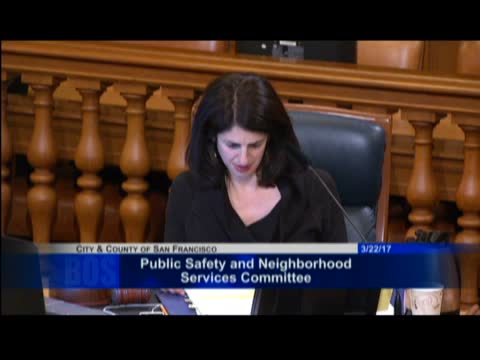
The Public Safety & Neighborhood Services Committee on March 22 heard the San Francisco Family Violence Council’s 2013–14 report, which compiles data from more than 20 government and community agencies and makes recommendations for prevention and coordinated response.
Department on the Status of Women staff said the council—created by local ordinance and staffed by the department—brings together public and nonprofit data to track child abuse, domestic violence and elder abuse. The director noted the report is the city’s primary multi‑agency accounting of family violence trends and pointed to a five‑year plan that will require additional budget support.
Katie Albright, executive director of the San Francisco Child Abuse Prevention Center, told supervisors the center’s Talkline handles thousands of calls and that last year the center received roughly 15,000 calls. She said substantiated child‑abuse rates have remained roughly 11–14% year‑over‑year while referrals to child and family services and police child‑abuse investigations showed local declines in 2015. “The calls range from suicide to crisis calls to parents seeking advice,” Albright said, emphasizing prevention programs for families with children ages 0–6.
Beverly Upton of the Domestic Violence Consortium summarized domestic‑violence service usage, saying roughly 24,000 people are served annually through shelters, crisis lines and non‑residential community services; calls to 9‑1‑1 remain concentrated among more serious incidents. She noted an increase in filings at the district attorney’s office and described local efforts to provide community‑based alternatives and probation‑linked intervention classes to reduce incarceration.
Jill Nielsen, deputy director of the Department of Aging and Adult Services, reported elder‑abuse reports to Adult Protective Services rose about 22% over five years and confirmed elder‑abuse reports increased about 33% in fiscal 2015. Nielsen said financial‑abuse investigations at the Special Victims Unit increased substantially after the addition of dedicated investigators.
Department staff and supervisors discussed racial disparities in who comes to services, geographic concentration of calls (Bayview and Ingleside were cited), and pilot programs including on‑scene advocates and lethality screening. The Department on the Status of Women urged that as the city prepares budgets it consider funding priorities identified in the report.
Supervisor questions addressed school‑based dating violence and higher reported rates among lesbian, gay, bisexual and transgender students; presenters said the data came from SFUSD sources and pledged follow‑up. After no public speakers, the committee voted to file the hearing so the report and recommendations proceed to the Board of Supervisors agenda.
The Family Violence Council report is available on the Department on the Status of Women website; committee members asked staff to return with follow‑up on school data and recommendations for budget considerations.