Get Full Government Meeting Transcripts, Videos, & Alerts Forever!
Get email alerts on the Homelessness topic
No spam. Unsubscribe anytime.
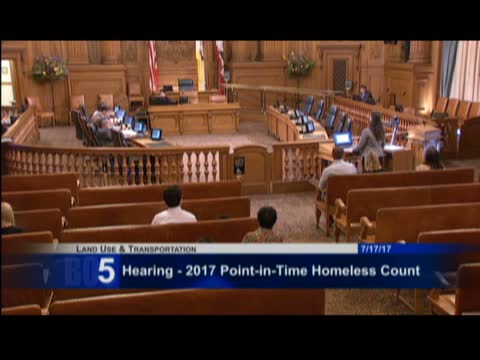
City officials present 2017 point-in-time count: stability amid regional increases, youth counts prioritized
Summary
San Francisco's Department of Homelessness and Supportive Housing presented the 2017 point-in-time count, reporting relative stability compared with other Bay Area counties, a 58% unsheltered rate, targeted youth-count efforts, and demographic disparities. Staff recommended continued focus on permanent supportive housing and targeted interventions.
The Department of Homelessness and Supportive Housing (DHSH) presented findings from the 2017 point-in-time (PIT) homeless count on July 17, reporting that San Francisco's overall count has been relatively steady while many neighboring jurisdictions show large increases.
Emily Cohen (DHSH) said the city has invested in housing and services, including nearly 3,500 people moved out of homelessness between 2015 and 2017 and 625 new permanent supportive units opened during that period. Applied Survey Research briefed the committee on methodology: HUD requires a 24-hour blitz count within the last ten days of January; San Francisco conducted a dedicated youth count for 2017 to better capture unaccompanied minors and transition-age youth.
Susan Bruntley of Applied Survey Research said the city had over 750 volunteers for the count and that methodological consistency allows comparability across years; she also noted that methodological changes in other counties can drive some of their reported increases.
DHSH highlighted several findings: the unsheltered share in San Francisco is 58 percent; 69 percent of people surveyed said they were housed in San Francisco when they became homeless; youth homelessness showed encouraging declines in the PIT and DHSH identified 1,363 youth in 2017 (a decrease from 1,569 in 2015, according to public comment); chronic homelessness among veterans decreased substantially over the 2013'2017 period. DHSH said chronic homelessness overall rose slightly and emphasized targeting interventions, navigation centers and supportive housing to reduce long-term homelessness.
Public commenters echoed the data and urged continued investment in youth services and housing. One public commenter criticized the 24-hour blitz methodology as inadequate and urged broader housing production.
The committee accepted the report and the item was filed.