Get Full Government Meeting Transcripts, Videos, & Alerts Forever!
Get email alerts on the Homelessness Framework topic
No spam. Unsubscribe anytime.
HSH presents five-year homelessness framework focusing on coordinated entry and measurable goals; committee files plan
Summary
Department of Homelessness and Supportive Housing unveiled a data-driven five-year framework to reduce homelessness through coordinated entry, prevention/diversion and population-specific targets (50% reduction in chronic homelessness by 2022; end family homelessness by 2021). The committee filed the plan for follow-up.
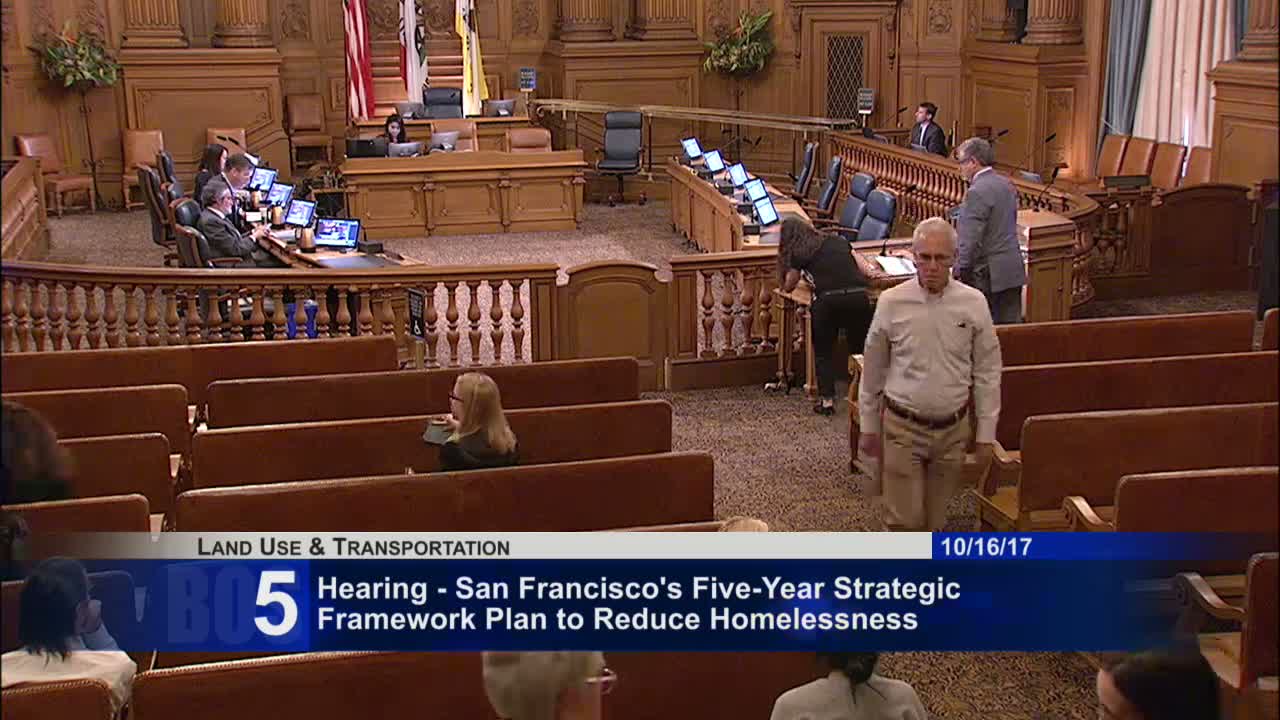
The Department of Homelessness and Supportive Housing presented its five-year strategic framework at the Land Use Committee on Oct. 16, describing a citywide, data-driven approach to reduce homelessness through coordinated entry, targeted prevention and measurable goals.
Department Director (introduced in the hearing as Mr. Krizitzka) said the framework is a strategic roadmap rather than a financial plan and emphasized coordinated entry (a HUD-recommended single-assessment system), an integrated data platform (the "1 system") and population-specific goals: reduce chronic homelessness by 50% by 2022, ensure no unsheltered families with children by Dec. 2018 and effectively end family homelessness by Dec. 2021. The department cited a FY17 budget of about $239 million and said approximately two-thirds of that budget goes to housing people via permanent supportive housing and related services.
The director told supervisors the city already operates model programs (navigation centers, Housing First, Project Homeless Connect) but lacks a unified system; the 1 system will merge multiple provider databases, streamline assessment and prioritize interventions so scarce housing and services are matched by acuity and need. He said the department will combine prevention/diversion and housing ladder strategies (including a "moving on" initiative) to increase exits from homelessness while reducing inflow.
Commander David Lazar of the Police Department described daily coordination with HSH and said police view enforcement as a last option, preferring outreach and referral to HOT and encampment response teams.
A broad array of nonprofit providers, advocacy groups, philanthropic partners and business representatives largely endorsed the framework, while urging the city to better define youth-specific strategies, confirm matching funds for HUD grants, and ensure the plan is resourced and implemented rather than shelved. Speakers included formerly homeless clients, Larkin Street Youth Services, Homebase, Episcopal Community Services, Community Housing Partnership, Tipping Point and business groups such as the Hotel Council and San Francisco Travel.
Following discussion the committee decided to table/file the hearing record and requested follow-up materials and budget analyses to support implementation and to return to the board as appropriate.
What happens next: The department will supply additional implementation detail, budget implications and follow-up on youth-targeted programs and coordinated-entry roll-out; the committee filed the item for further consideration and implementation planning.