Get Full Government Meeting Transcripts, Videos, & Alerts Forever!
Get email alerts on the Affordable Housing Preservation topic
No spam. Unsubscribe anytime.
Small Sites program reaches 100 units; supervisors call for more funding and broader geographic reach
Summary
MOHCD reported the Small Sites acquisition program has closed dozens of deals and reached 100+ units; staff and nonprofit partners described achievements and constraints — limited soft‑funding, sponsor capacity and closing timelines — and the committee continued the item for further discussion.
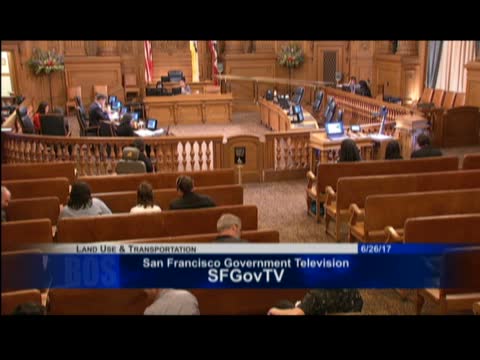
The committee held a status hearing on the Small Sites acquisition program, a MOHCD initiative that lends soft financing to nonprofit sponsors to acquire and rehabilitate tenant‑occupied buildings (generally 5–25 units) and preserve permanently affordable housing.
MOHCD officials said the program began in 2014 with a pilot allocation and has grown to $84 million in city investment, $60 million of which is committed to projects. The program has closed 21 buildings and—counting contracts in the pipeline—reached 129 units, the agency said; staff highlighted that many households served are vulnerable (seniors, people with disabilities, families with children) and that 23 closed units had active eviction notices at acquisition.
Program staff described underwriting parameters (soft loans behind a first mortgage, maximum subsidy per unit tiers, required capital needs assessments, and an 80% area‑median‑income average for building rents with vacancy rebalancing). Staff acknowledged challenges: long closing timelines (closings have extended toward 90–120 days), limited geographic coverage (sponsors clustered in some districts), constrained sponsor capacity, and the need for a more durable funding source. Speakers including the San Francisco Community Land Trust, Chinatown CDC, Mission Economic Development Agency and tenant advocates urged greater, permanent funding, expanded technical assistance and changes to criteria to reach higher‑risk small buildings in neighborhoods such as the Richmond and Excelsior.
Supervisor Sandra Fewer called for further work to expand capacity and funding and continued the hearing to the call of the chair for a deeper follow‑up discussion.