Get Full Government Meeting Transcripts, Videos, & Alerts Forever!
Get email alerts on the Public Advocate topic
No spam. Unsubscribe anytime.
Committee backs amendments to create an elected San Francisco Public Advocate
Summary
Supervisor Gordon Marr's charter amendment to create an elected Public Advocate — an office to investigate fraud, waste and complaints about city services — was amended to clarify jurisdictional limits, referral processes and candidate qualifications; the committee accepted the amendments and continued the item to the call of the chair.
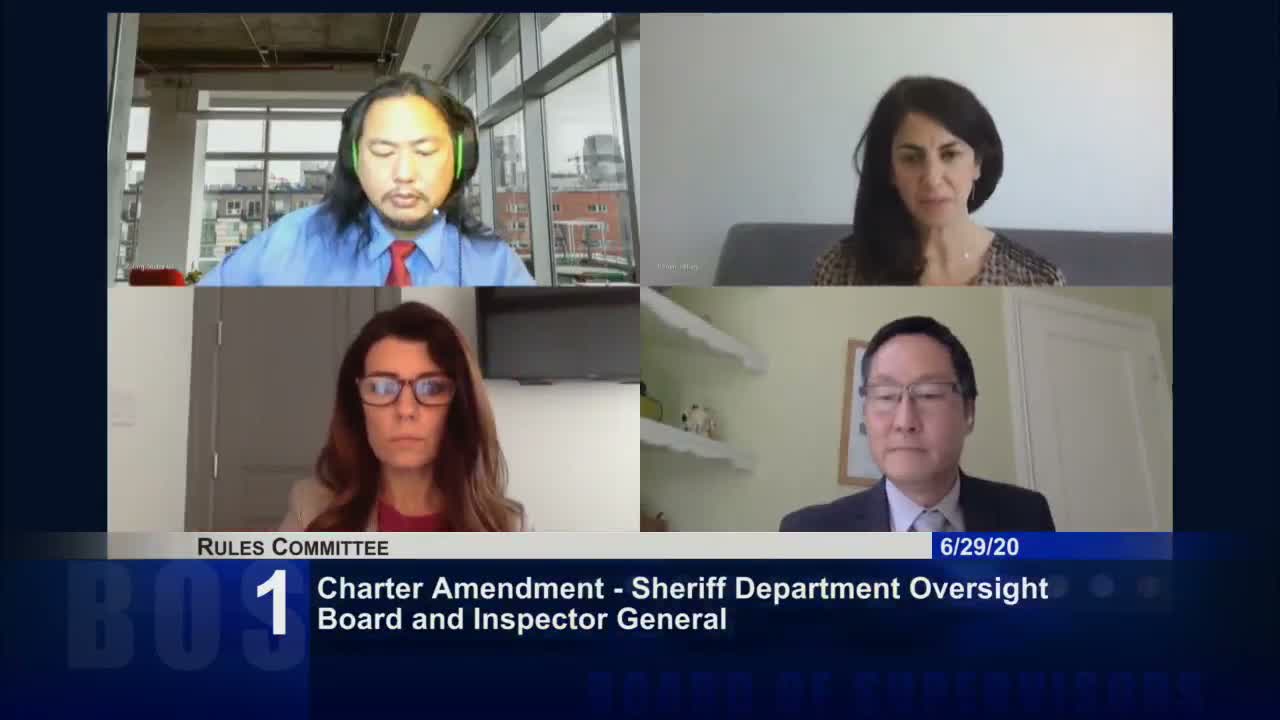
The Rules Committee on June 29 advanced a charter measure to create an elected San Francisco Public Advocate charged with investigating alleged fraudulent use of taxpayer funds, receiving whistleblower complaints and reviewing how city agencies interact with the public.
Supervisor Gordon Marr said the office is designed to provide sustained, citywide oversight and to be a structural response to what he called a "culture of casual corruption." He and co-sponsors proposed and summarized a set of amendments that narrowed the public advocate's jurisdiction in areas such as collective-bargaining agreements and worker compensation claims, required the office to defer to the district attorney or city attorney when their investigations overlap, added a process for referring sworn-officer complaints to the Department of Police Accountability and SFPD, and revised candidate requirements to require a licensed attorney without a 10-year minimum.
Supporters including the Harvey Milk LGBTQ Democratic Club and neighborhood advocates told the committee the office would produce long-term savings by uncovering wasteful contracts and improving accountability. A Controller estimate placed the office's annual cost between $725,000 and $925,000; proponents said the office would likely yield net savings by detecting and preventing corruption.
The Rules Committee voted to accept the proposed amendments and continued the matter to the call of the chair for final scheduling; the roll-call recorded Supervisors Catherine Stephanie and Gordon Marr and Chair Hillary Ronan voting 'Aye.'